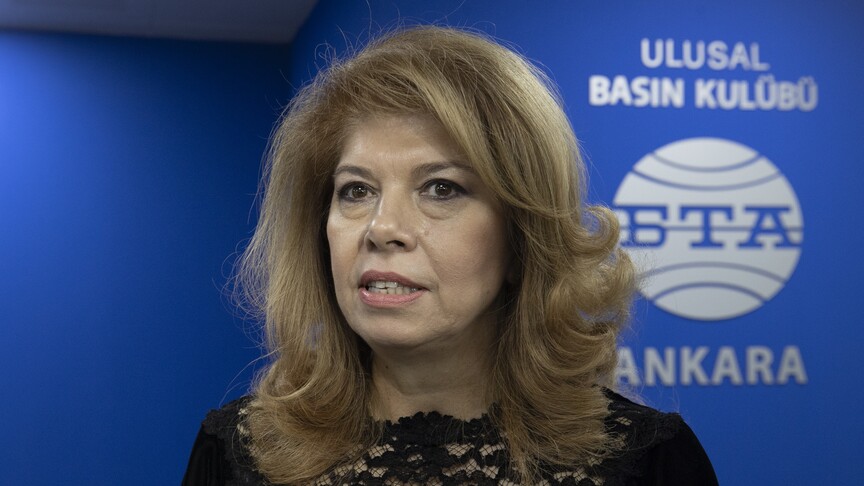
Bulgarian President Elena Yotova has warned that escalating tensions in the Middle East could lead to a global crisis, stressing the necessity for all parties to act rationally and exercise restraint. This statement was made during a press conference where she highlighted the importance of dialogue and understanding among the concerned nations.
Yotova pointed out that the current situation in the region requires all parties to work towards de-escalating tensions, warning that any escalation could negatively impact global security and stability. She also called on the international community to take effective steps to prevent the worsening of conditions.
Details of the Event
Yotova's remarks come at a time when the Middle East is witnessing increasing tensions, particularly amid the political and economic crises affecting several countries. The region has seen a rise in armed conflicts in recent years, heightening concerns about the implications of these crises on a global scale.
As a member state of the European Union, Bulgaria closely monitors developments in the Middle East, as these events directly affect European security. Yotova emphasized the importance of international cooperation in addressing ongoing issues.
Background & Context
Historically, the Middle East has experienced numerous crises that have exacerbated humanitarian and political conditions. Ongoing conflicts in Palestine, Syria, and Yemen, along with tensions between Iran and Western nations, all contribute to the instability in the region. These crises have led to a flow of refugees and increased tensions among neighboring countries.
The economic crises faced by some countries in the region, such as Lebanon, further complicate the situation, necessitating urgent international intervention. In this context, Yotova's calls serve as a reminder of the importance of collective action to resolve these issues.
Impact & Consequences
If tensions continue to escalate, it could lead to serious repercussions for global security, including an increase in terrorist attacks and a surge in violence. Any escalation may also affect oil prices and global financial markets, negatively impacting the world economy.
These warnings act as a call for international actors to work towards peaceful solutions to conflicts. Cooperation among nations can contribute to achieving stability, benefiting everyone involved.
Regional Significance
For Arab countries, the rising tensions in the Middle East represent a direct threat to security and stability. Many Arab nations are already suffering from the effects of conflicts, such as Syria and Iraq, increasing the need for effective strategies to address these crises.
Yotova's calls for rationality and restraint gain special significance amid current tensions between some Arab nations. Dialogue and understanding can help alleviate crises, providing an opportunity to build a more stable future.