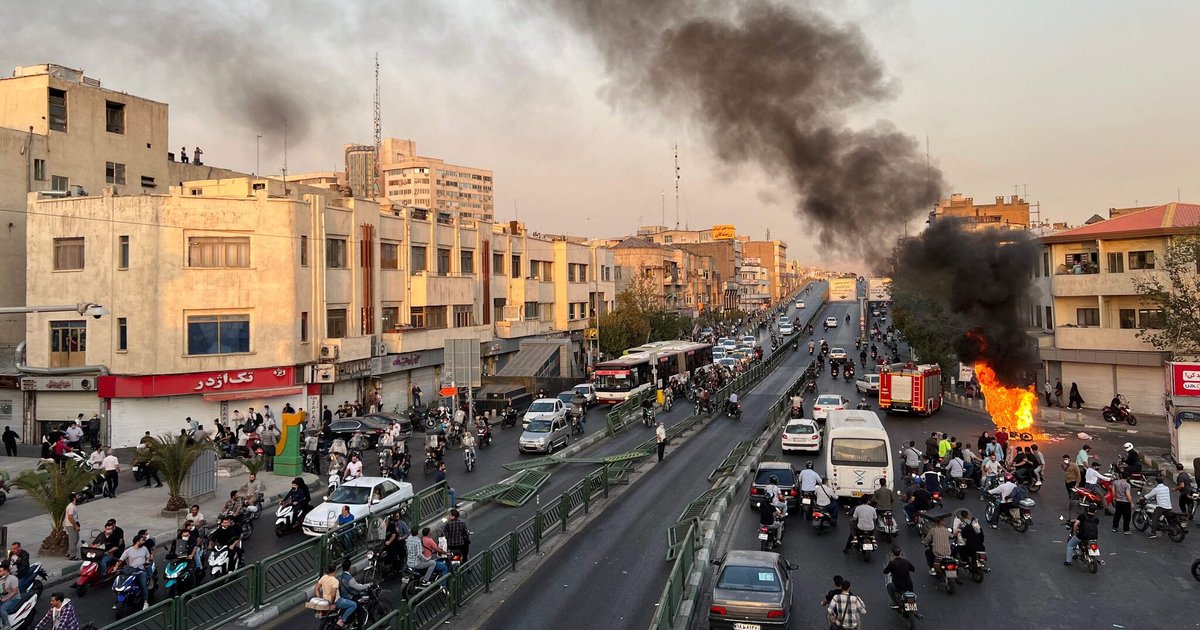
Colin Martin, head of fixed income research at Shafa Center, revealed the potential risks arising from the ongoing conflict in Iran, pointing to its negative impacts on inflation and the labor market. This was stated during his conversation with Katie Grieve and Bailey Lipschutz on "The Close," where he confirmed that the current situation requires close monitoring of developments.
Martin noted that the conflict in Iran could lead to increased inflationary pressures, which may directly affect economic decisions in many countries. He also highlighted risks related to labor decisions, as political crises can lead to instability in the labor market.
Details of the Event
Concerns are growing that the ongoing conflict in Iran may extend its impact to global markets, raising alarms among investors and analysts. Martin pointed out that the situation in Iran could lead to rising prices of essential commodities, thereby increasing inflationary pressures in other countries.
Moreover, Martin confirmed that forecasts indicate no economic recession in the near future, despite the challenges facing the markets. This optimism reflects, in some aspects, the global economy's ability to adapt to crises, despite surrounding risks.
Background & Context
Historically, Iran has witnessed multiple political and economic conflicts, affecting the stability of the entire region. The current conflict comes at a sensitive time, as tensions between Iran and Western countries are escalating, complicating the economic landscape.
The economic impacts of the conflict in Iran are not confined to its geographical borders but extend to neighboring countries and global markets, making it essential to understand the regional dynamics more deeply.
Impact & Consequences
The potential consequences of the conflict in Iran are manifold, as it could lead to increased oil and commodity prices, affecting inflation in many countries. Additionally, instability in the labor market may result in fluctuations in unemployment rates, increasing social and economic pressures.
At the same time, these crises may lead to changes in the economic policies of countries, as governments may seek to take measures to mitigate the effects of inflation and unemployment.
Regional Significance
Arab countries are among the most affected by the conflict in Iran, as rising oil prices could have direct impacts on their economies. Furthermore, instability in Iran may heighten tensions in the region, affecting security and stability in neighboring countries.
Therefore, it is crucial for Arab countries to closely monitor developments in Iran and be prepared to address any repercussions that may arise from the ongoing conflict.