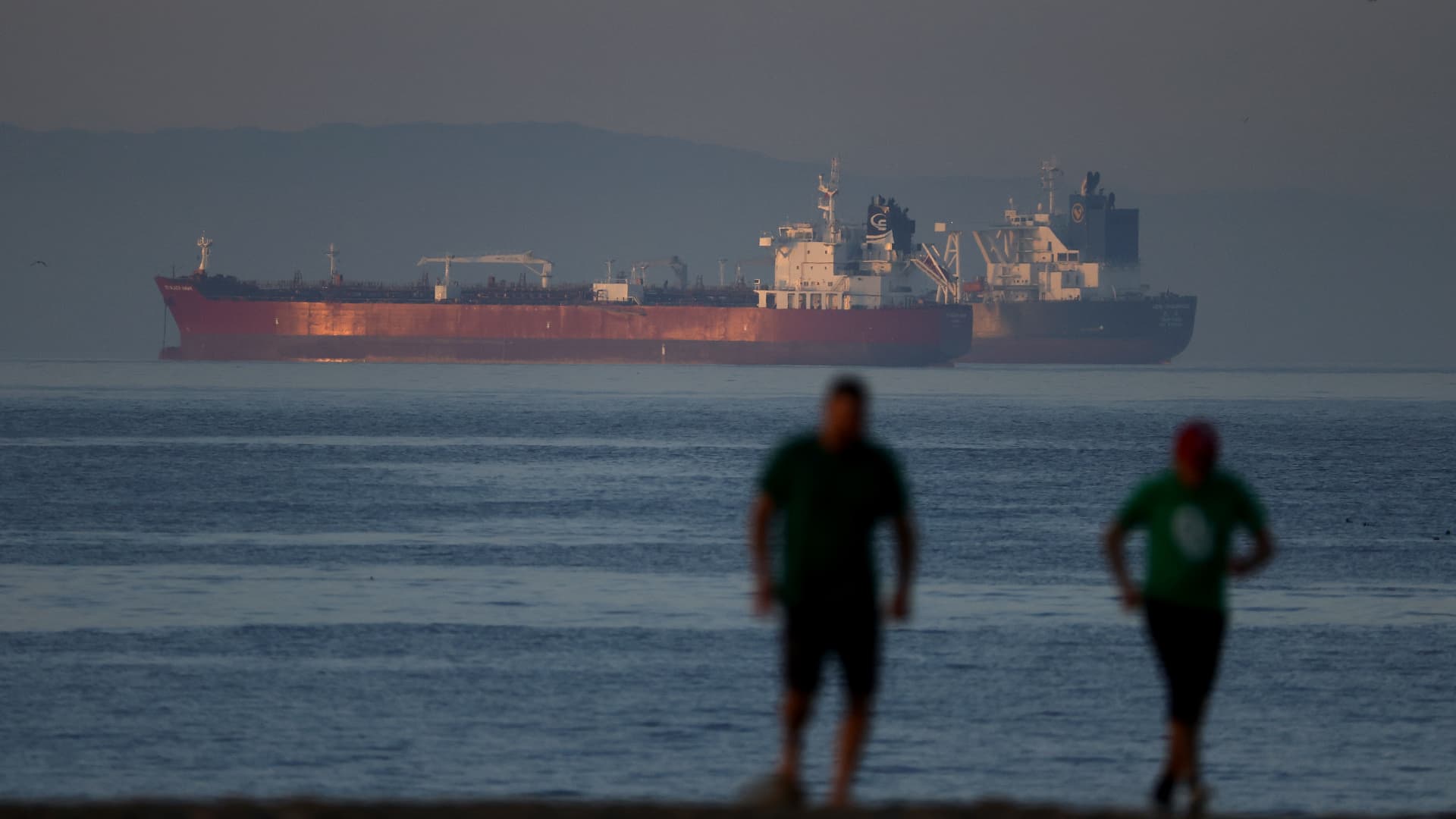
Leaders of major global oil and gas companies have warned about the implications of the Iranian war on energy supplies, stating that the global market does not reflect the extent of disruptions caused by this war. This was discussed at the SIRAWEK energy conference held in Houston, Texas, where top executives gathered to discuss the effects of the ongoing conflict.
Ryan Lance, CEO of ConocoPhillips, stated, "You simply cannot pull 8 to 10 million barrels of oil per day and 20% of the LNG market without significant repercussions." He noted that oil prices will remain high even after the conflict ends, as countries will seek to replenish their depleted reserves.
Event Details
Sheikh Nawaf Al-Sabah, CEO of Kuwait Oil Company, explained that Iran has effectively imposed an economic blockade on oil producers in the Middle East by closing the Strait of Hormuz, which is the lifeline for oil exports from Gulf countries to global markets. He considered this war not just an attack on the Gulf, but an assault that holds the global economy hostage.
Paul Sankey, an independent analyst, pointed out that this crisis represents the worst oil shock since the Arab oil embargo of 1973. He emphasized that the current situation is extremely dangerous, as the world has never witnessed the closure of the Strait of Hormuz before.
Background & Context
Historically, the region has experienced numerous conflicts that affected oil supplies, but the current situation is significantly different. Tensions between the United States and Iran have escalated the conflict, directly impacting global markets. In 1973, the oil embargo led to a dramatic rise in oil prices, affecting the global economy as a whole.
Currently, the United States continues to pressure Iran, while European and Asian countries are trying to secure their energy supplies. However, instability in the region threatens to create new crises in energy markets.
Impact & Consequences
Forecasts indicate that the war will lead to a significant fuel supply shortage, with Asian and European countries facing difficulties in obtaining fuel. Oil prices have surged dramatically, with the price of U.S. crude oil exceeding $99.64, while Brent crude reached $112.57.
Wail Swan, CEO of Shell, noted that fuel supplies will face greater disruptions than oil, as aviation fuel supplies have already been affected, and diesel and gasoline supplies are expected to be impacted soon. Countries have begun to stockpile reserves to protect themselves from potential shortages.
Regional Significance
Arab oil-producing countries, such as Iraq, Qatar, and the UAE, find themselves in a precarious position due to this war. The current crises could lead to a decline in the GDP of these countries by as much as 30%, which will impact their economic stability.
Additionally, instability in oil markets could exacerbate economic crises in the region, threatening political and social stability in Arab countries.
In conclusion, it appears that the Iranian war will not end soon, increasing risks to the global economy. The current situation requires a coordinated response from oil-producing countries to ensure market stability and protect their interests.