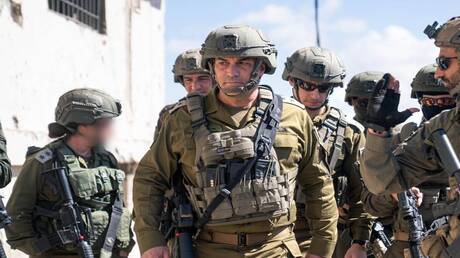
Israeli Chief of Staff Major General Eyal Zamir has once again warned of the risk of collapse within the reserve system of the Israeli army, indicating that the current situation requires the immediate recruitment of more soldiers. These statements come at a time when the army is under considerable pressure, raising concerns about its ability to confront increasing security challenges.
Amid the tense conditions in the region, Zamir's remarks reflect the growing anxiety within the Israeli military establishment. Recently, the Israeli army has experienced a shortage of recruits, which directly impacts its readiness and ability to carry out assigned missions.
Details of the Situation
Zamir confirmed that the army is in urgent need of bolstering its ranks, stating that the current situation cannot continue. He pointed out the pressing need to recruit more soldiers to ensure the stability of the army and its capacity to face security challenges. He also added that a swift response from the Israeli government is required to meet the army's needs.
These warnings coincide with escalating tensions in the region, where the Israeli army faces multiple challenges, including escalation with Palestinian factions in Gaza and threats from Hezbollah in Lebanon. These circumstances make it essential to enhance the army's capabilities to ensure Israeli national security.
Background & Context
Historically, the reserve system in the Israeli army has relied on recruiting citizens during times of crisis. However, in recent years, there has been a decline in the number of recruits, raising concerns about the army's ability to respond quickly to crises. Previous reports have shown a decrease in the percentage of young people joining the reserves, which increases the pressure on the army.
These warnings come at a time when the Israeli army is undergoing significant structural changes, as it seeks to update its military strategies to confront new challenges. Nevertheless, the shortage of recruits poses a major obstacle to these efforts.
Impact & Consequences
If these trends continue, they may lead to negative impacts on the Israeli army's ability to carry out its missions. A shortage of recruits can reduce the effectiveness of military operations, potentially weakening the army's ability to respond to threats. Additionally, this situation may affect the morale of the troops, increasing the challenges faced by the military establishment.
Furthermore, the decline in the number of recruits may negatively reflect on Israeli security policy, as the government may be forced to make difficult decisions regarding how to deal with increasing threats in the region. This could lead to heightened tensions with neighboring countries, complicating the security situation in the area.
Regional Significance
The warnings about the collapse of the Israeli army serve as an indicator of rising tensions in the region. These developments may affect relations between Israel and Arab countries, potentially leading to escalated conflicts or even new attempts at peace negotiations. Additionally, increasing tensions could impact regional security, necessitating attention from Arab nations.
Ultimately, the situation within the Israeli army remains under scrutiny, as concerns grow about the impact of the shortage of recruits on national security. A swift and effective response from the Israeli government is required to ensure the stability of the army and its capacity to face future challenges.