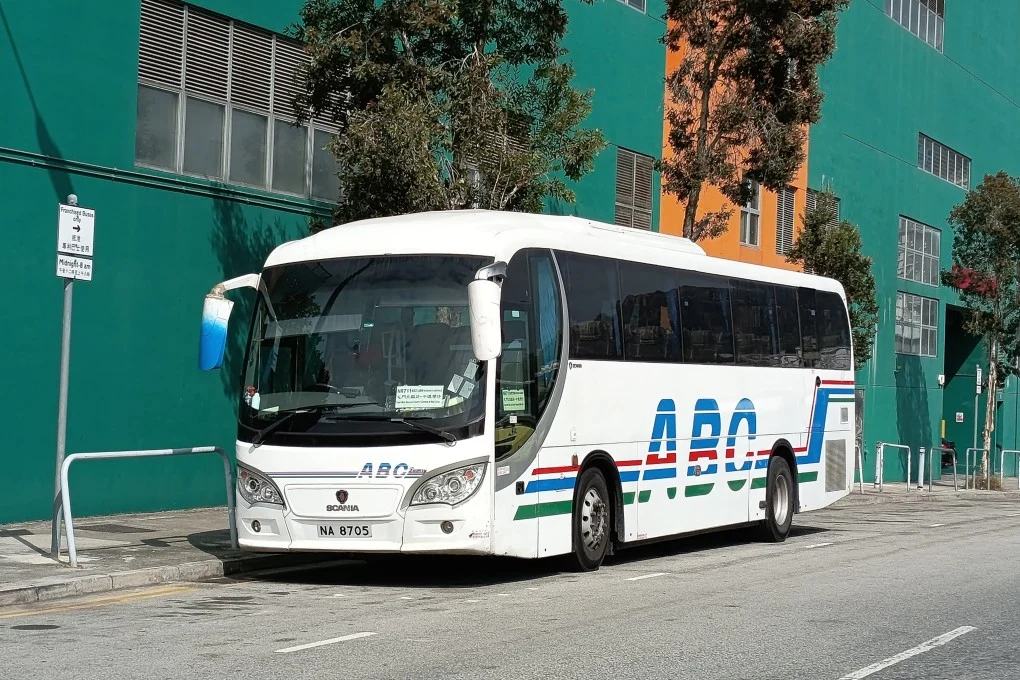
ABC Touring Car, the operator of public transport buses in the Tuen Mun area of Hong Kong, has announced that it may have to close its services due to the significant rise in fuel prices. The company indicated that every service it provides results in substantial financial losses, with one official stating that "every service is like throwing money into the sea."
In an urgent move, the company decided to reduce its services starting last Sunday as a first step to cut costs. Fuel bills have more than doubled since late February, prompting the company to make this difficult decision.
Details of the Situation
ABC Touring Car is one of the main companies providing public transport services in the Tuen Mun area, connecting the region with other urban centers. With the ongoing rise in fuel prices, the company faces significant challenges in maintaining the sustainability of its services. Reports indicate that the company can no longer bear the high operational costs, threatening the future of transport services in the area.
This move comes at a sensitive time, as many residents rely on public transport for their daily commutes. This decision has raised considerable concern among passengers who may find themselves forced to seek alternative means of transportation.
Background & Context
Fuel prices have seen a notable increase in recent years, affecting many economic sectors. In Hong Kong, transportation costs are a key factor impacting citizens' lives. With the continuous rise in global oil prices, experts expect these pressures on transport companies to persist.
Historically, Hong Kong has heavily relied on public transport, but with global economic changes, companies have begun to face difficulties in sustaining operations. The past few years have witnessed numerous challenges, including the COVID-19 pandemic, which significantly impacted transport movements.
Impact & Consequences
The closure of ABC Touring Car's services could have negative effects on traffic in the area, as many passengers will have to look for alternative transport options, potentially increasing traffic congestion. Additionally, this decision may impact the local economy, as many small businesses depend on transport movements.
Moreover, this situation may increase pressure on the local government to intervene and provide support to affected transport companies. There may be a need to reassess policies related to fuel prices and support for public transport.
Regional Significance
This crisis in Hong Kong exemplifies the challenges faced by many countries worldwide due to rising fuel prices. In the Arab region, where many countries rely on oil as a primary source of revenue, similar repercussions may affect local economies.
This situation highlights the importance of seeking sustainable alternatives in transportation, such as enhancing public transport use and developing alternative energy sources. This crisis could also serve as an opportunity for Arab countries to rethink their economic strategies and redirect investments towards more sustainable sectors.