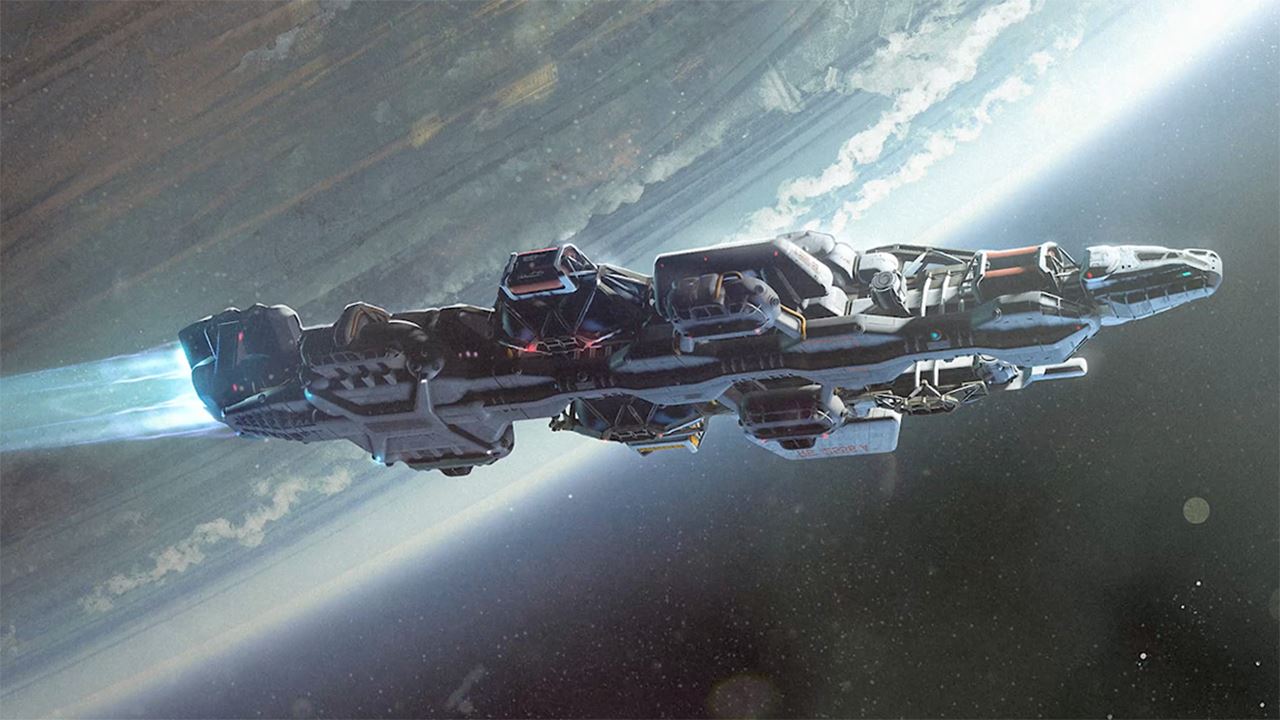
Experts from military research centers have warned that a third world war, if it occurs, may start in an unconventional manner, manifesting as a devastating silence rather than the noise of traditional battles. Navigational systems could suddenly fail, planes in the air may be grounded, and financial markets could be impacted due to mysterious outages, driving the world towards a state of complete confusion.
Space is no longer just a battleground for technological competition; it has become a vital part of the modern life structure, with numerous systems depending on satellites. Therefore, dominance in space is considered a critical element in the equation of global power.
Details About the Event
Reports from institutions such as RAND Corporation and Center for Strategic and International Studies indicate that claims about space turning into a warzone are not just vague theories but a reality evidenced by the capabilities developed by major countries in space. The world is increasingly using satellites as the foundation of military and economic infrastructure.
In the early stages of any potential space conflict, attacks may commence with cyber operations targeting systems connected to satellites, such as hacking control stations or jamming navigation signals, which would disrupt supply chains and create silent chaos. Professor Scott Shackelford warns that these attacks could incapacitate global infrastructure without a single bullet being fired.
Background & Context
Historically, space has often been used in science fiction as a backdrop for dramatic confrontations, yet recent developments suggest that the militarization of space is plausible. Reports confirm that anti-satellite weapons have become part of national arsenals. As these weapons evolve, the question of what warfare in space truly entails becomes increasingly complex.
Modern military systems may focus on achieving their objectives by disorienting and frustrating the enemy rather than directly destroying them. This logic is evident in the new strategies of warfare, where strategic blindness is a concept that reflects an enemy's ability to confuse their opponent without direct engagement.
Impact & Consequences
One of the most dangerous scenarios is the Kessler Syndrome, which occurs when the debris of a satellite turns into fragments that could collide with other satellites, potentially destroying or rendering certain orbits unusable, and pushing the space industry into a state of chaos for extended periods. This would not only affect the warring parties but would extend to the entire world, including communication and navigation services.
The risks amplify significantly when considering the legal and security dimensions. Targeting a commercial satellite, for example, could escalate space warfare into a full-fledged international conflict, necessitating the development of new strategies to ensure the protection of terrestrial infrastructure.
Regional Significance
In light of these global shifts, the Arab region needs to be aware of the risks associated with conflicts in space. Satellites are a vital tool for enhancing communication and reconnaissance, and their loss could represent a significant setback for Arab nations in securing their essential interests.
If conflicts break out in space, Arabs would play a significant role in countering these threats according to their space strategies, especially as some Arab countries are making efforts to develop their own space programs.
In conclusion, it is evident that the next war may not be visible, but it will affect every aspect of modern life, from communication disruptions to mobility challenges. Countries will need to strengthen their strategies to protect both their terrestrial and space infrastructure.