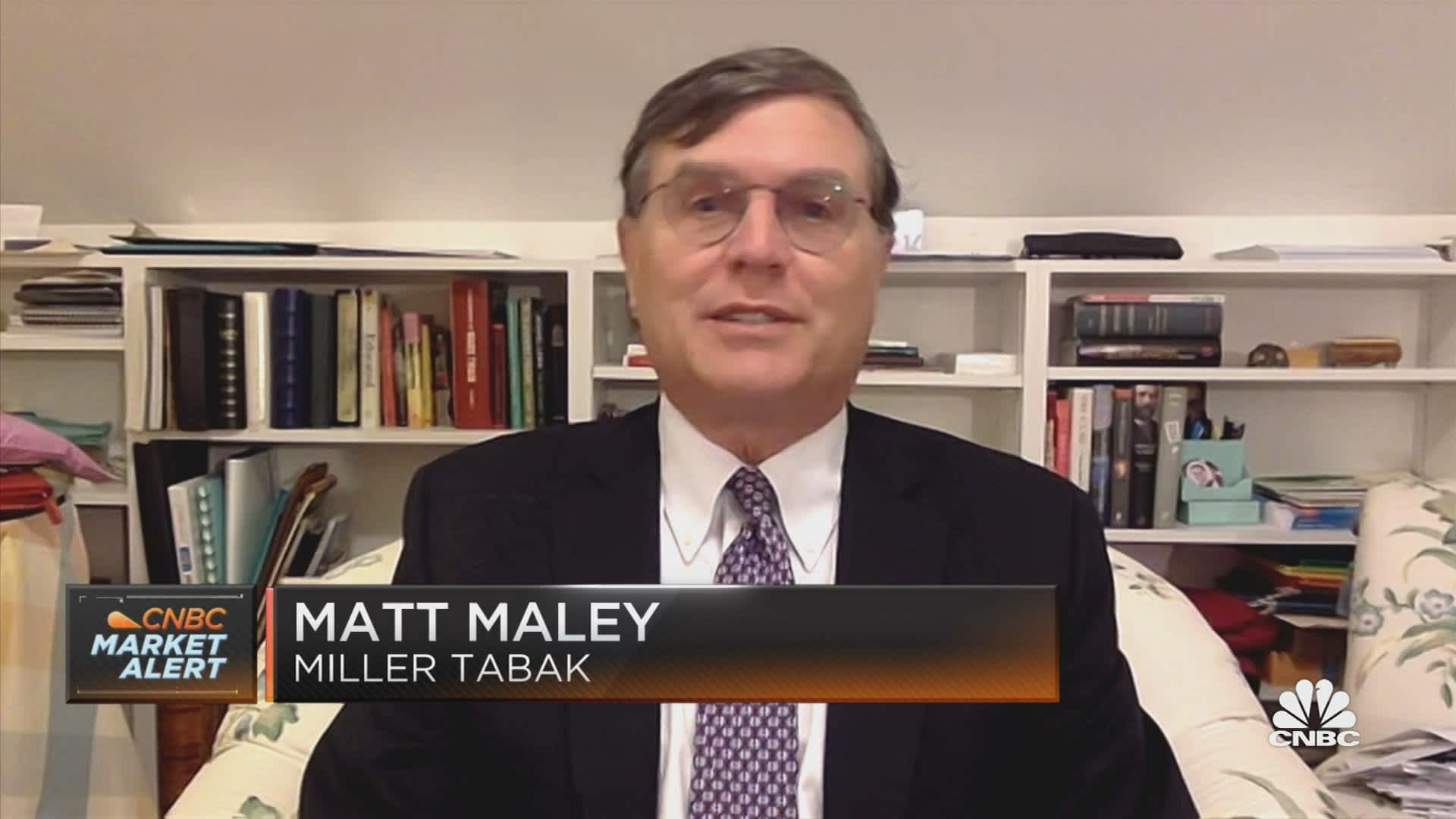
Matt Maley, Chief Market Strategist at Miller Tabak, has warned that the risks associated with private credit are considered less than their actual magnitude, indicating that the current situation in financial markets may be more dangerous than it appears. He stressed that the focus should be on what happens when liquidity declines in a market that is already deemed expensive.
Maley, who has extensive experience in analyzing financial markets, pointed out that even a minor credit event could quickly shake confidence, potentially leading to negative repercussions for investors and markets in general. Concerns have grown that misjudgments in lending practices may be behind these increasing risks.
Details of the Event
Given the current economic conditions, where interest rates are rising and liquidity is diminishing, the risks associated with private credit seem to be becoming more complex. Private credit is an important part of the financial system, providing funding to companies that may not be able to secure loans from traditional banks. However, increasing reliance on this type of financing could lead to problems in the event of any economic downturn.
Maley warned that markets may be unprepared to face any shocks, especially under the current circumstances. He also noted the urgent need for accurate risk assessment, as any decline in confidence could lead to widespread consequences.
Background & Context
Historically, financial markets have experienced numerous crises that were the result of unexamined credit risks. For instance, the global financial crisis in 2008 was a result of the accumulation of bad debts within the financial system. Since then, many regulatory measures have been implemented to mitigate these risks, but challenges still seem to persist.
In recent years, we have seen an increase in the volume of private credit, raising questions about its sustainability. With growing economic pressures, it has become essential to conduct a comprehensive assessment of the risks associated with this type of financing.
Impact & Consequences
If the risks associated with private credit continue to rise, we may witness negative effects on the global economy. A decline in confidence in financial markets can lead to reduced investments, impacting overall economic growth. Additionally, any crisis in this sector could deteriorate the financial conditions of companies, increasing the likelihood of bankruptcies.
Moreover, the impact of these risks is not limited to financial markets; it can extend to the real economy, affecting jobs and income for individuals. Therefore, addressing these risks is vital for maintaining market stability.
Regional Significance
In the Arab region, where economies vary between oil and non-oil sectors, the risks associated with private credit could significantly affect both foreign and domestic investments. Increasing financial risks may lead to a decline in confidence in markets, impacting investment flows.
Many Arab countries rely on private financing to develop their economic projects, so any downturn in this sector could affect their economic development plans. It is crucial for governments to make efforts to assess risks and take necessary measures to protect their economies.