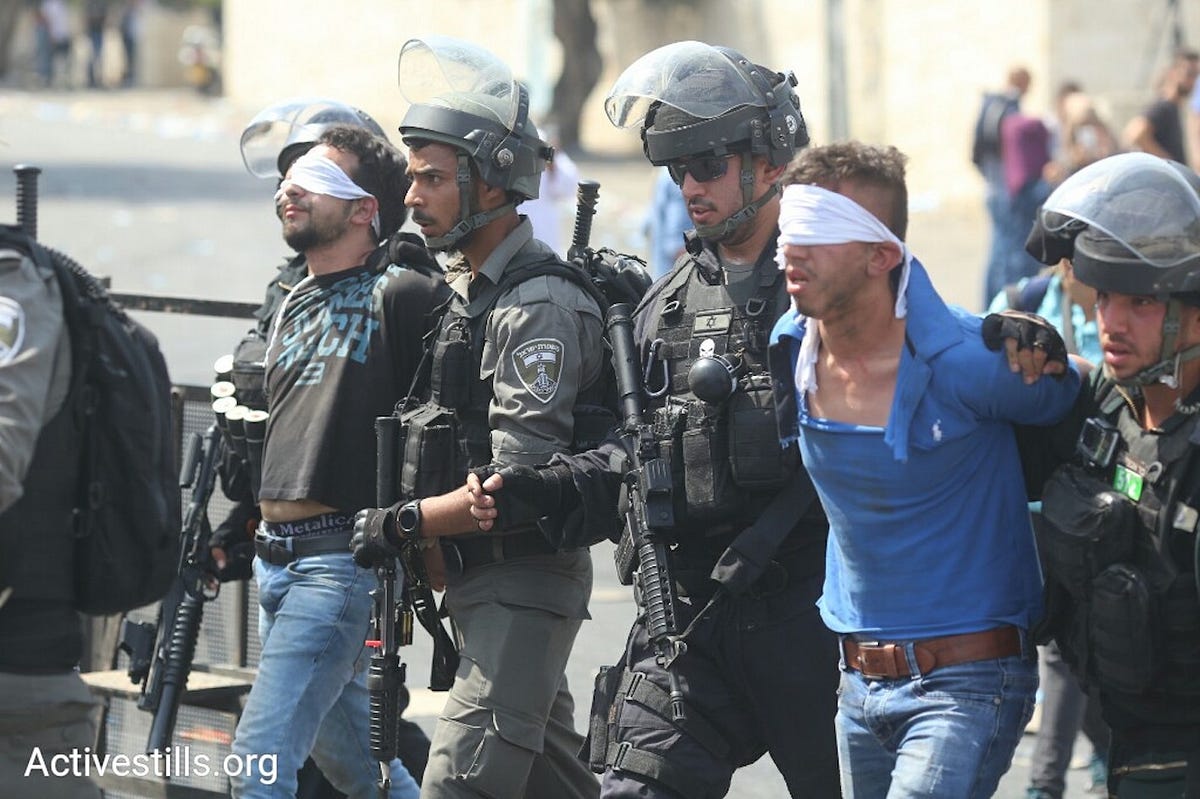
The Foreign Minister has warned of the serious consequences of restricting worship rights in Jerusalem, indicating that these measures could lead to escalating tensions in the region. He affirmed that freedom of worship is one of the fundamental rights that must be respected, and any restrictions could provoke negative reactions from the international community.
Amid the current situation, concerns have grown regarding the impact of these restrictions on security in Jerusalem, where the Al-Aqsa Mosque is considered a significant religious symbol for Muslims. The minister pointed out that restricting access to holy sites could exacerbate existing conflicts.
Details of the Event
These warnings come at a time when Jerusalem is witnessing increasing tensions, as restrictions have been imposed on worshippers' access to the Al-Aqsa Mosque, sparking widespread discontent among Palestinians. Many Palestinian leaders have expressed their concerns over these measures, asserting that they represent a violation of their religious rights.
The minister also confirmed that the government will continue to work with the international community to ensure the protection of worship rights for all religions in Jerusalem, emphasizing the importance of dialogue and understanding among all parties involved.
Background & Context
Historically, Jerusalem has seen numerous conflicts over worship rights, as the city is a significant religious center for the three Abrahamic faiths. Tensions between Palestinians and Israelis have escalated on several occasions, making it essential to find lasting solutions that guarantee the rights of all.
In recent years, restrictions imposed on worshippers have led to angry reactions from Palestinians. The Al-Aqsa Mosque is considered one of the most sensitive sites, symbolizing Palestinian and religious identity.
Impact & Consequences
Restricting worship rights in Jerusalem could lead to escalating tensions not only in the city but throughout the region. This may contribute to increased violence and protests, negatively affecting stability in neighboring countries.
Moreover, these measures could impact relations between Arab countries and Israel, as they may be viewed as a violation of Palestinian rights. Consequently, the international community may intervene more forcefully to pressure Israel to ease these restrictions.
Regional Significance
Jerusalem is a central issue in the Arab-Israeli conflict, and any restriction on worship rights there could affect relations between Arab countries and Israel. This could lead to increased Arab support for Palestinians, which may reflect on domestic policies in Arab states.
Ultimately, freedom of worship must be regarded as a fundamental right that all parties should respect. Genuine efforts must be made to ensure that such violations do not recur in the future.