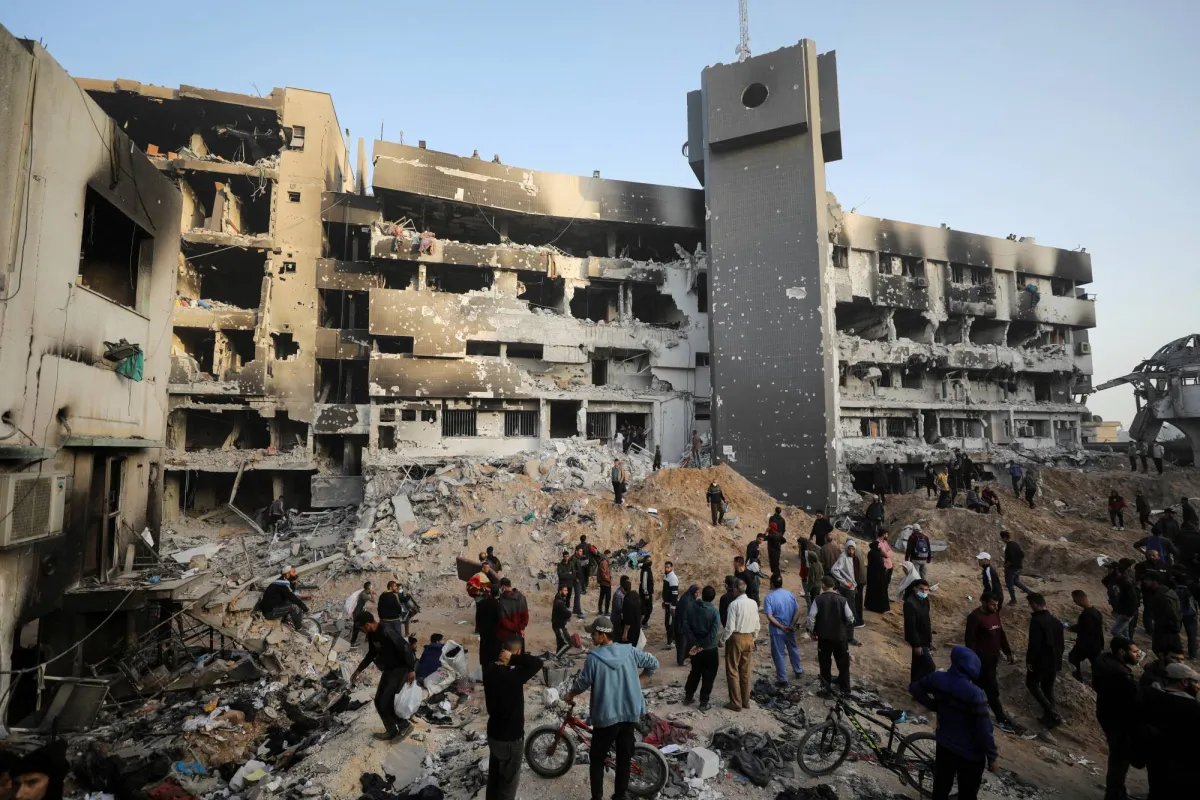
The World Health Organization (WHO) warned on Friday of a severe shortage of medical equipment in the Gaza Strip, preventing hospitals and health centers from operating at full capacity. The organization expressed concern over the Israeli restrictions imposed on the entry of these essential supplies, which increases the suffering of the population in the region.
Reinhild van der Virdt, the organization's representative in the Palestinian territories, stated during a press conference in Geneva that 53% of hospitals and 58% of health centers are only partially operational. She explained that this shortage is largely due to the unavailability of necessary medicines and medical equipment.
Details of the Situation
Van der Virdt noted that some medical supplies are classified by Israel as having dual-use, complicating their entry into Gaza. She emphasized the need to change this classification, asserting that these supplies are internationally recognized and should be treated as such. She also called for the lifting of bureaucratic procedures and restrictions on access to medicines and essential supplies.
The UN official provided examples of medical equipment that Israel does not allow into Gaza, including a hospital that has been ready for months in Jordan, waiting to enter Gaza. She warned that the absence of laboratory equipment and reagents would lead to an inability to diagnose diseases or detect potential epidemics, pointing out that the lack of oxygen concentrators could result in the deaths of patients with serious illnesses.
Background & Context
These warnings are part of an escalating humanitarian crisis in Gaza, where more than 43,000 people, including 10,000 children, have sustained injuries requiring long-term rehabilitation. The WHO has recorded 22 attacks on health facilities in Gaza this year, further increasing pressure on the beleaguered health system.
This shortage of medical equipment comes amid ongoing attacks on medical infrastructure, with a ceasefire in place since October 10, following unprecedented tensions in the region after an attack by Hamas on Israel.
Impact & Consequences
This health crisis significantly impacts the lives of civilians in Gaza, where many find themselves in desperate situations. Displaced families are suffering from harsh living conditions, residing in tents lacking privacy and basic amenities. Reports indicate that many displaced individuals are facing water shortages and a collapse of the sewage system.
Um Ahmed Hamouda, one of the displaced individuals, speaks about her daily struggles in the tent where she lives with her family, suffering from water shortages and a lack of privacy. She says, "Our entire life is miserable; we are living in unimaginable conditions." These testimonies reflect the bitter reality faced by many in Gaza.
Regional Significance
The health crisis in Gaza is part of a larger crisis in the region, where political and economic tensions are rising. These conditions reflect the urgent need for international humanitarian support and highlight the importance of cooperation among Arab countries to address humanitarian challenges. The continuation of these crises could exacerbate security and political situations in the region.
In conclusion, the situation in Gaza requires an urgent response from the international community to ensure the provision of essential medical supplies and protect civilians. The ongoing restrictions on medical supplies will only worsen the humanitarian crisis, necessitating immediate action from all concerned parties.