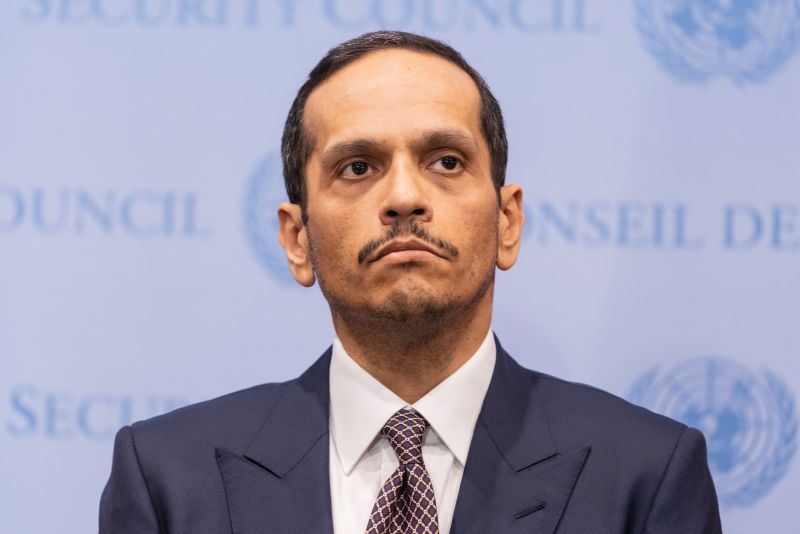
Former Qatari Prime Minister Hamid bin Jassim bin Jaber Al Thani warned that Gulf states may face dangerous scenarios in the near future. He emphasized that regional tensions and political and economic challenges could lead to negative outcomes affecting the region's stability. These statements were made during a press conference, where he urged Gulf leaders to take proactive measures to address these challenges.
Bin Jassim pointed out that the current situation requires Gulf countries to enhance cooperation among themselves and work towards achieving economic and political integration. He also stressed the importance of dialogue and understanding between Gulf nations to avoid any escalation that could lead to new crises.
Details of the Warning
Bin Jassim's warnings come at a time when the region is witnessing increasing tensions, particularly due to political crises in some neighboring countries. He noted that these crises could impact security and stability in the Gulf states, necessitating serious steps from Gulf leaders.
He also touched on the importance of sustainably investing natural resources, emphasizing the need to diversify the Gulf economy away from oil dependence. He asserted that these steps will be essential to ensure the region's stability in the future.
Background & Context
Historically, Gulf states have experienced numerous political and economic crises that have affected their stability. From regional conflicts to economic crises resulting from fluctuations in oil prices, the region has always been at the heart of events. These crises have led to changes in the domestic and foreign policies of Gulf countries, necessitating a reevaluation of their strategies.
In recent years, tensions have increased among some Gulf states, especially following the Qatari crisis that began in 2017. This crisis significantly impacted relations between Gulf countries, making the need for dialogue and understanding more urgent.
Impact & Consequences
Bin Jassim's warnings could serve as a wake-up call for Gulf leaders, as ignoring these challenges may exacerbate the situation. These scenarios are likely to affect foreign investments in the region, potentially leading to an economic slowdown.
Furthermore, the continuation of tensions could negatively reflect on regional security, prompting Gulf countries to enhance their defense capabilities and security cooperation among themselves.
Regional Significance
The situation in Gulf states directly impacts stability in the Arab region as a whole. Tensions in the Gulf could lead to negative repercussions for neighboring countries, requiring all parties to work towards calming the situation. Additionally, any escalation could affect global oil prices, impacting the economies of other Arab nations.
In conclusion, Gulf states must take Bin Jassim's warnings seriously and work to enhance cooperation and understanding among themselves to face future challenges. Stability in the Gulf is key to stability across the entire Arab region.