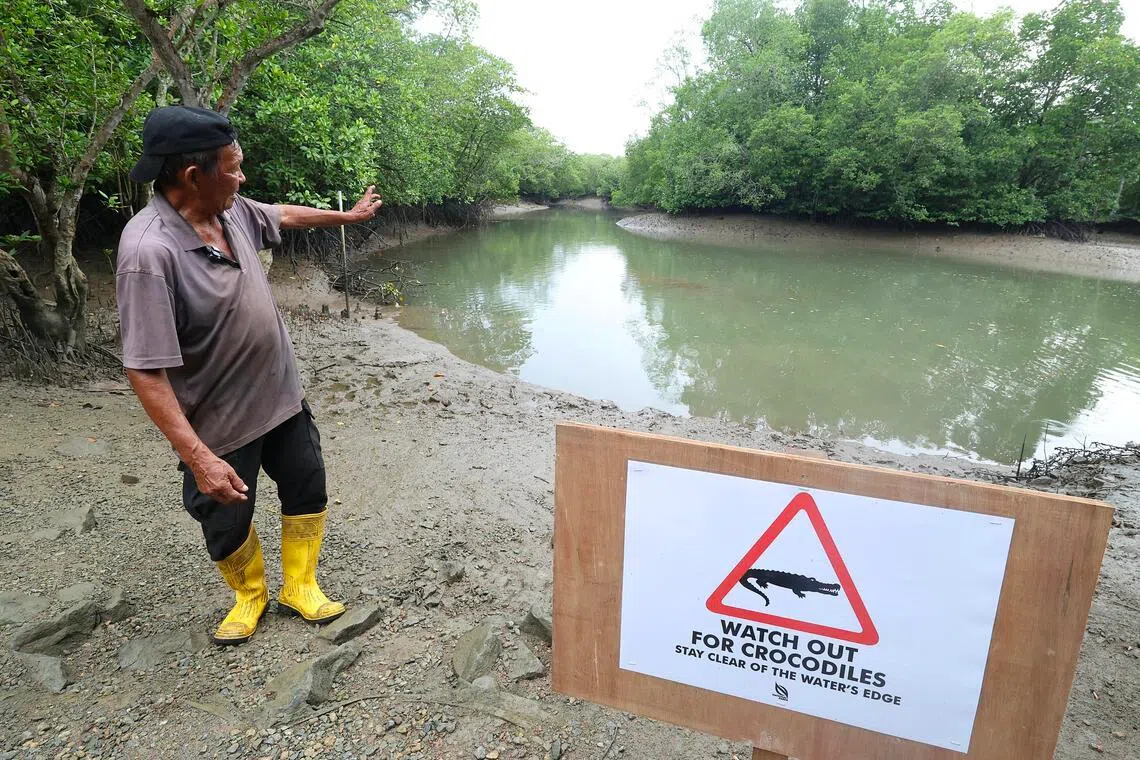
The National Parks Board of Singapore (NParks) has announced the sighting of an estuarine crocodile on Pulau Ubin Island, prompting visitors to take necessary precautions. The board confirmed that these sightings are likely attributed to the estuarine crocodile, a species that inhabits coastal and aquatic regions.
This warning follows reports from several visitors who spotted a crocodile near the island's beaches and waterways, raising concerns among local residents and tourists. The board has urged everyone to remain cautious and avoid approaching these reptiles, as they can pose a danger to humans.
Details of the Incident
Pulau Ubin Island is one of Singapore's popular tourist destinations, renowned for its natural beauty and biodiversity. However, the appearance of an estuarine crocodile in this area highlights the need for public safety measures. NParks has issued guidelines for visitors to stay away from areas where the crocodile has been sighted, emphasizing that these reptiles may become aggressive if they feel threatened.
The board also added that it is closely monitoring the situation and will take necessary actions to ensure visitor safety. Warnings have been disseminated through social media and the board's official websites to raise public awareness.
Background & Context
Historically, crocodiles have been part of the ecosystem in Singapore's coastal areas, but urban expansion and environmental changes have made their sightings less common. Nevertheless, the increase in crocodile sightings in recent years may indicate changes in the marine environment or a return of these reptiles to their natural habitats.
Crocodiles are ancient reptiles that date back millions of years, playing a crucial role in the ecosystem by controlling populations of other animals. However, their presence near residential and tourist areas can pose a threat, necessitating preventive measures.
Impact & Consequences
Crocodile sightings could affect tourism on Pulau Ubin Island, as visitors may hesitate to visit the island due to safety concerns. Additionally, these incidents may lead to increased awareness about the importance of preserving marine environments and biodiversity.
This situation presents an opportunity for relevant authorities to highlight the significance of maintaining ecological balance and the interaction between humans and nature. It is essential to educate the public on how to behave when encountering such reptiles, which can help mitigate risks.
Regional Significance
Although this event pertains to Singapore, it sheds light on similar environmental issues that other Arab countries may face. Many Arab nations possess coastlines and marine areas rich in biodiversity, necessitating measures to protect these ecosystems from various threats.
Furthermore, environmental awareness and wildlife conservation should be part of public policies in Arab countries, as climate change and human activities can impact biodiversity in the region.
In conclusion, everyone should be aware of the potential risks that may arise from interacting with wildlife and strive to maintain a balance between humans and nature.