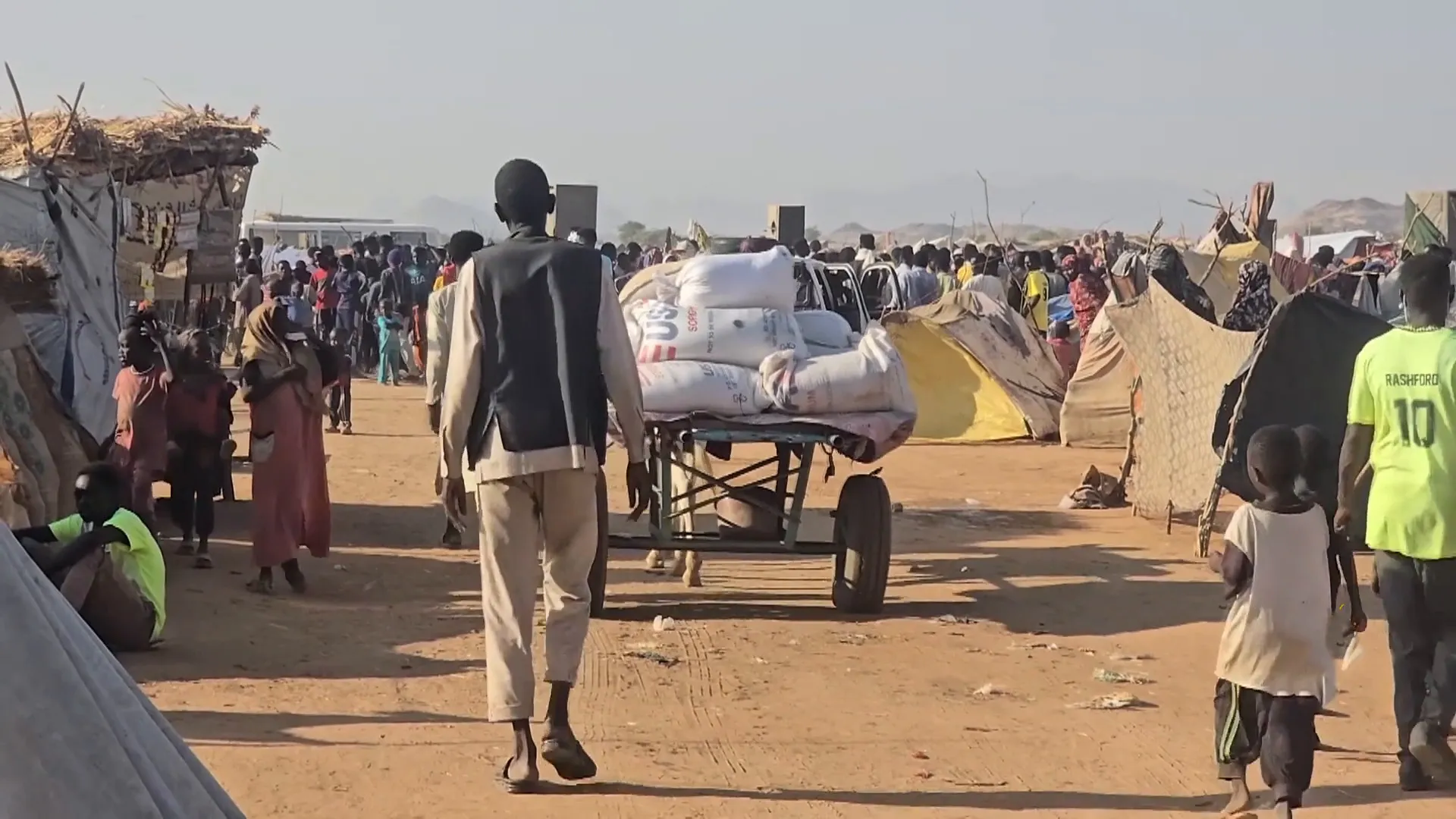
A recent report issued by agencies affiliated with the United Nations and the European Union, in collaboration with international partners, indicates that severe food insecurity poses an increasing threat across the globe. Millions are suffering from extreme hunger, which raises profound concerns about the future of global food security.
The report emphasizes that armed conflicts and the forced displacement of individuals due to political and economic crises are worsening this issue. It notes that there is a growing number of individuals facing difficulties in accessing sufficient and nutritious food, negatively impacting their overall health.
Event Details
According to the report, the number of people suffering from severe food insecurity has risen significantly in recent years. Estimates suggest that approximately 828 million people are experiencing hunger, reflecting a 10% increase compared to previous years. Conflicts in regions such as the Middle East and Africa play a crucial role in exacerbating this crisis.
The report also highlights that malnutrition is not limited to food scarcity but also includes a deficiency in essential nutrients, particularly affecting the health of children and pregnant women. It indicates that tens of millions of children suffer from stunting due to nutritional deficiencies, threatening their future.
Background & Context
Historically, the world has witnessed periods of food insecurity, but current crises surpass what has been seen in the past. Ongoing conflicts, such as those in Syria and Yemen, have led to the destruction of agricultural infrastructure and an increase in the number of displaced individuals. Additionally, climate change plays a significant role in reducing agricultural yields, further intensifying the crisis.
Moreover, economic crises affecting many countries lead to rising food prices and a decline in individuals' purchasing power. Under these circumstances, accessing sufficient food becomes a significant challenge for many.
Impact & Consequences
The repercussions of severe food insecurity extend beyond mere hunger; they impact public health, education, and economic development. Children suffering from malnutrition are more susceptible to diseases, increasing the burden on health systems. Communities facing hunger struggle to achieve sustainable development.
Furthermore, food insecurity can lead to increased migration and displacement, as individuals seek better living conditions. This phenomenon may exacerbate humanitarian crises in countries receiving refugees.
Regional Significance
In the Arab region, many countries are significantly affected by this crisis. Ongoing conflicts in countries such as Syria, Yemen, and Libya have worsened food insecurity. Additionally, countries that rely on food imports face additional challenges due to rising global prices.
Some Arab countries are striving to take measures to improve food security, such as enhancing local production and developing strategies to adapt to climate changes. However, challenges remain, necessitating international cooperation to effectively address this crisis.
In conclusion, the persistence of severe food insecurity requires an urgent response from the international community. There must be integrated efforts to address the root causes of this issue and ensure that everyone has access to sufficient and nutritious food.