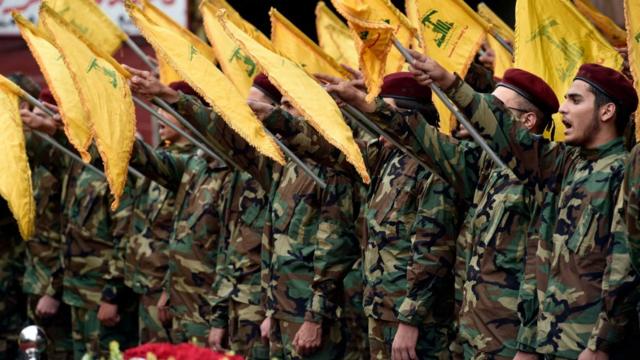
Former Lebanese Prime Minister Fouad Siniora has warned that Hezbollah's actions could push Lebanon towards a war with Iran, labeling it as an "outrageous recklessness" that is unjustifiable. These statements come at a time when the region is experiencing increasing tensions, as Lebanon faces significant economic and political challenges.
Siniora, who served as Prime Minister from 2005 to 2009, emphasized that Hezbollah's actions do not reflect Lebanon's interests but rather threaten its stability and security. He pointed out that Lebanon is not in a position to bear the consequences of any regional conflict, especially given the difficult economic circumstances it is currently undergoing.
Details of the Event
Siniora's remarks come at a sensitive time, as fears of a potential military escalation between Iran and its allies on one side, and the United States and its allies on the other, are growing. Siniora considered that Hezbollah is acting in a manner lacking wisdom, which could lead to dire consequences for Lebanon.
He also noted that the situation in Lebanon requires all parties to work towards enhancing stability, rather than getting dragged into futile conflicts. He called for dialogue and understanding among Lebanese political forces to avoid any slide into violence.
Background & Context
Lebanon has been living through multiple crises for years, including a suffocating economic crisis, deterioration of basic services, and sharp political division. Hezbollah, which is considered one of the prominent actors in the Lebanese political arena, is facing increasing criticism for its role in regional conflicts, particularly in Syria.
Historically, Hezbollah has played a significant role in resisting Israeli occupation, but its involvement in other regional conflicts has sparked widespread controversy both within Lebanon and abroad. Some view the party as contributing to instability, while others see it as a defender of national sovereignty.
Impact & Consequences
If Hezbollah's current actions continue, they could exacerbate the crises in Lebanon, negatively impacting the economic and social situation. In the event of a conflict with Iran, Lebanon would be at the eye of the storm, potentially leading to a refugee influx and destruction of infrastructure.
Moreover, any military escalation could weaken the Lebanese government's ability to manage crises and increase pressure on the Lebanese people, who are already suffering from difficult living conditions. It is crucial for political forces in Lebanon to unite to avoid any slide into chaos.
Regional Significance
The developments in Lebanon are part of a broader regional landscape, where regional and international interests intersect. Any escalation in Lebanon could affect stability in neighboring countries, such as Syria and Palestine, and may lead to a reshaping of alliances in the region.
Additionally, the situation in Lebanon may raise concerns among other Arab countries, which fear negative impacts on their security and stability. It is important for Arab nations to adopt policies that support stability in Lebanon and help alleviate tensions.
In conclusion, the situation in Lebanon remains complex, requiring all parties to work diligently to avoid slipping into new conflicts. Dialogue and understanding are the only paths to ensuring a secure and stable future for Lebanon.