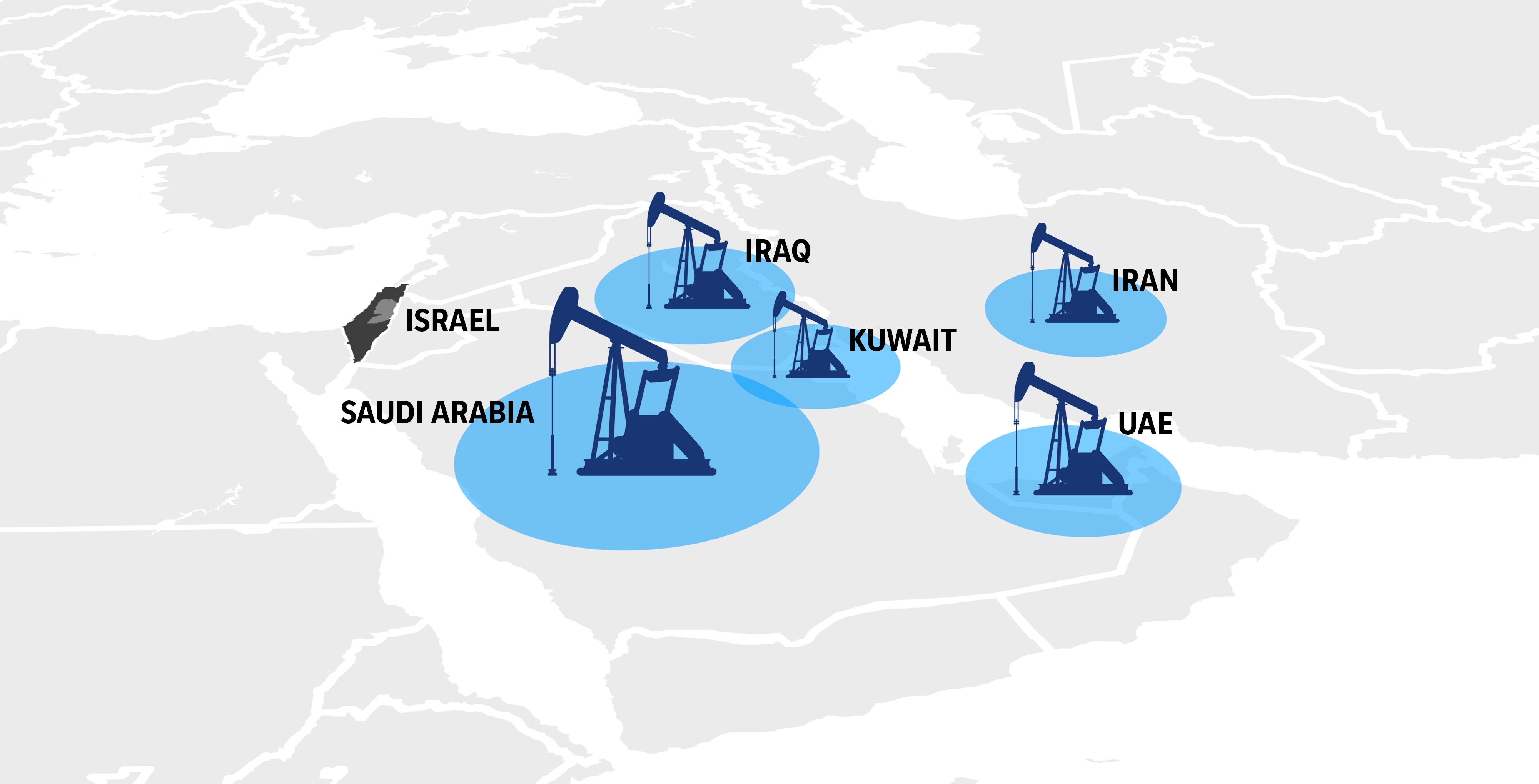
Randa Fahmy, former U.S. Deputy Secretary of Energy, has warned that the ongoing conflict in the Middle East could extend for a long time, potentially leading to a shock in the global oil market. This warning comes after Iranian-backed Houthis entered the conflict over the weekend, complicating the situation in the region.
Fahmy's statements serve as a wake-up call for investors and analysts in the energy market, indicating that military escalation in the region could significantly impact oil supplies and global energy prices. As the world is already experiencing volatility in energy markets, the continuation of the conflict could exacerbate the situation.
Details of the Event
The Iranian-backed Houthis have entered the ongoing conflict in the Middle East, raising new concerns about the stability of the region. Reports indicate that the Houthis have launched attacks on targets in Saudi Arabia, heightening tensions between regional and international powers.
Fahmy points out that this escalation could have far-reaching implications for oil markets, as any disruption in oil supplies from the Gulf region could lead to a significant rise in prices. Markets have already reacted negatively, with oil prices rising slightly following these developments.
Background & Context
Historically, the Middle East has witnessed numerous armed conflicts that have directly affected global oil markets. Conflicts in Iraq, Syria, and Libya have led to significant fluctuations in oil prices, as these countries are among the largest oil producers in the world.
In recent years, tensions between Iran and Western countries have intensified, exacerbating the situation in the region. With the Houthis entering the conflict, it appears that the situation may become more complicated, threatening the stability of global energy markets.
Impact & Consequences
The continuation of the conflict in the Middle East could lead to a significant increase in oil prices, impacting the global economy. If the situation continues to deteriorate, we may witness a rise in energy costs, affecting all economic sectors.
Moreover, any escalation in the conflict could lead to military intervention by major powers, potentially worsening the situation and increasing instability in the region. This, in turn, could affect foreign investments and increase risks in financial markets.
Regional Significance
For Arab countries, the escalation of the conflict in the Middle East could have negative effects on their economies. Rising oil prices could lead to increased living costs, impacting citizens in oil-importing countries.
Additionally, any military escalation could result in a flow of refugees and increase the burdens on neighboring countries, complicating humanitarian situations in the region. Therefore, the hope for achieving peace and stability in the Middle East remains essential for sustainable development.