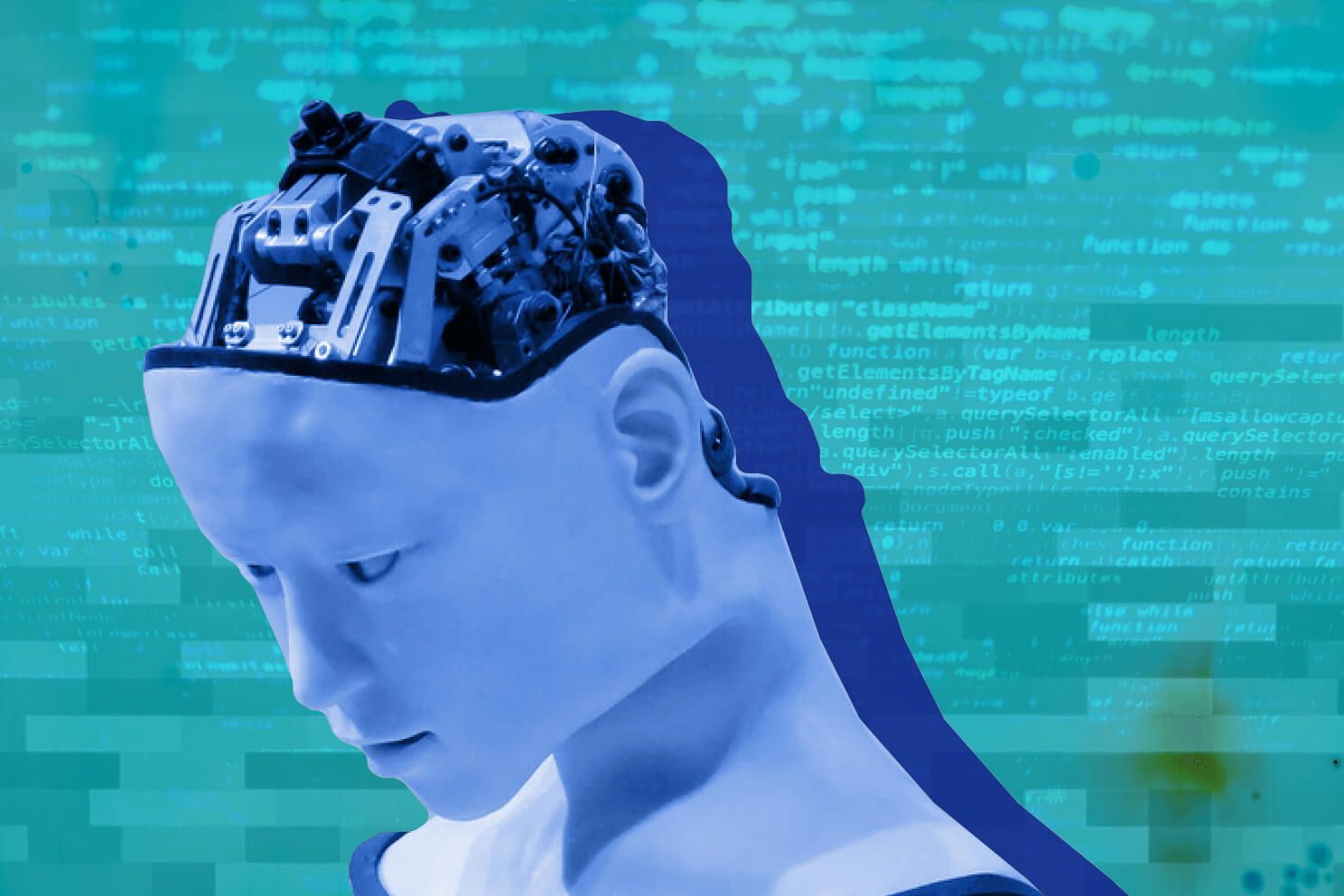
A prominent scientist warns that artificial intelligence poses a threat to all jobs, including skilled trades, raising widespread concerns about the future of the job market. This warning comes as the use of AI technology accelerates across various sectors, raising questions about how these technologies will affect traditional jobs.
In recent years, we have witnessed significant advancements in AI technologies, which have become capable of performing tasks that previously required human skills. Many experts have pointed out that these technologies could lead to the loss of a large number of jobs, putting additional pressure on the global economy.
Details of the Event
The scientist clarified that AI is not limited to office or technical jobs but extends its impact to artisans and workers in various fields. For instance, robots and smart software can replace workers in factories, leading to a reduced need for human labor.
He also noted that many companies have already begun using AI to cut costs and increase efficiency, reflecting a significant shift in how businesses are managed. This shift could lead to a radical restructuring of the job market, necessitating a need to think about how to adapt to these changes.
Background & Context
Historically, humanity has experienced several industrial revolutions that led to radical changes in the job market. The first industrial revolution, for example, replaced manual labor with machines. Today, it seems that AI represents a new revolution that could lead to similar changes, but on a larger scale.
In recent years, billions of dollars have been invested in developing AI technologies, contributing to the acceleration of this process. However, this rapid advancement raises concerns about how it will affect traditional jobs, especially in countries that heavily rely on human labor.
Impact & Consequences
These warnings could have significant implications for the global economy. The job market may witness a shift towards new jobs that require different skills, potentially increasing the gap between the skills needed and the skills available.
Moreover, the loss of traditional jobs could lead to rising unemployment rates, putting additional pressure on governments to provide training and rehabilitation programs for affected workers. This challenge requires a swift and effective response from both governments and the private sector to ensure that no segment of society is marginalized.
Regional Significance
In the Arab region, where many countries rely on traditional sectors such as agriculture and industry, the impact of AI may be more pronounced. It is important for Arab countries to start thinking about how to integrate these technologies in a way that ensures traditional jobs are not lost.
Arab governments must also enhance education and vocational training to keep pace with changes in the job market. Investing in digital skills will be essential to ensure that young people can compete in the future job market.
In conclusion, artificial intelligence represents both a challenge and an opportunity. It is crucial to adopt these technologies cautiously, with clear strategies in place to address the challenges that may arise in the job market.