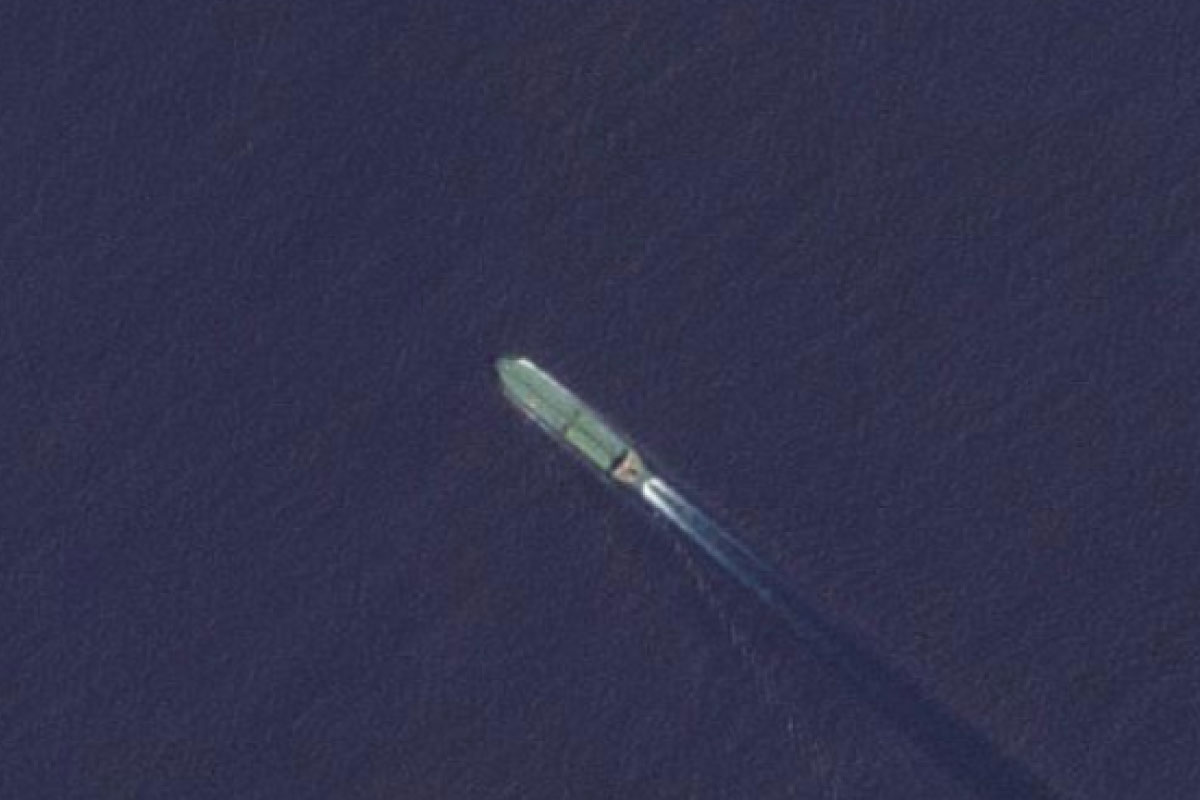
Tensions in the Gulf region are escalating after US President Donald Trump hinted at the possibility of controlling Khark Island, which is considered the main station for Iranian oil exports. Located on Iran's western coast, Khark Island handles approximately 90% of the country's oil exports, making it a vital strategic point for the Iranian economy.
In his remarks to the media, Trump suggested that US forces could easily take control of the island, raising concerns among military analysts who warned that any attempt to seize Khark would be complex and carry significant risks.
Details of the Event
Khark Island is regarded as one of Iran's vital economic assets, serving as a major source of income for the country. Analysts have pointed out that any US move against the island would not merely be a traditional military operation but would have far-reaching implications for regional security.
Potential US military options could include executing amphibious landings or joint operations involving naval and air forces. General Karen Gibson, former head of intelligence at US Central Command, noted that the aim of such operations would be to pressure Iran to change its behavior, rather than to seize territory.
Background & Context
Historically, relations between the United States and Iran have been tense, especially following the Iranian Revolution in 1979. Since then, the region has witnessed numerous military and political crises. Khark Island is part of these tensions, being used as a leverage tool by the US against Iran.
Iran is the third largest oil producer in OPEC, making control over its oil resources a strategic goal for the United States. Recent years have seen an escalation in mutual threats between the two parties, increasing the likelihood of military conflict.
Impact & Consequences
If the United States decides to carry out a military operation against Khark Island, it could lead to significant escalation in the conflict. Iran may respond with retaliatory operations targeting energy infrastructure in Gulf Cooperation Council (GCC) countries, which could affect global oil markets.
Moreover, any military escalation could heighten tensions in the Strait of Hormuz, a vital passage for global oil trade. Analysts have warned that any US military action could open the door to unexpected reactions from Iran and its allies, potentially leading to a broader conflict in the region.
Regional Significance
Arab countries in the Gulf, particularly those reliant on oil, find themselves in a precarious position should the conflict escalate. These nations may face increasing pressure to respond to any potential Iranian attacks, raising the likelihood of the region slipping into a full-scale conflict.
Under these circumstances, Arab nations must take proactive measures to protect their interests and enhance security cooperation among themselves to address potential threats. Additionally, there should be intensified diplomatic efforts to avoid military escalation.