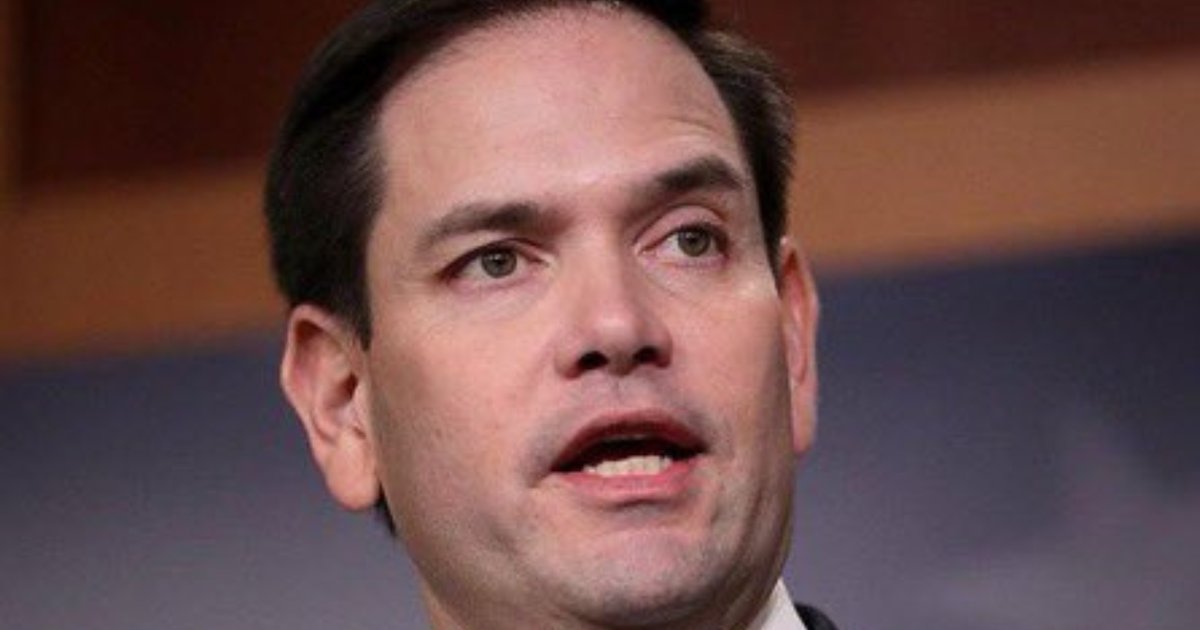
During a G7 meeting, American Senator Marco Rubio asserted that the United States does not need assistance from any party to open the Strait of Hormuz, which is one of the most important waterways in the world. These statements come at a sensitive time when the region is experiencing increasing tensions, raising questions about maritime security and global trade.
Rubio, who represents Florida, clarified that Washington is capable of protecting its interests in the region, highlighting the significance of the Strait of Hormuz in transporting oil and natural gas, through which approximately 20% of the world's total oil supply passes. These remarks reflect the current American policy aimed at enhancing maritime security and bolstering its military presence in the area.
Details of the Event
The G7 meeting, held within the framework of discussions on global security, saw the participation of foreign ministers from member countries, addressing various international issues, including tensions in the Middle East. Rubio emphasized that the United States remains committed to protecting freedom of navigation in the Strait of Hormuz and will take all necessary measures to ensure the safety of commercial vessels.
He also noted that the United States will work to strengthen cooperation with allies in the region, but stressed that Washington is capable of taking necessary actions independently if required. These statements come at a time when the region is witnessing an escalation of threats from certain countries, increasing the importance of maritime security.
Background & Context
The Strait of Hormuz is one of the busiest waterways in the world, with a large number of commercial ships passing through it daily. Historically, the strait has witnessed numerous crises and tensions, especially amid regional conflicts. In recent years, tensions between the United States and Iran have increased, making security in this strait a pivotal issue in American foreign policy.
Iran considers the Strait of Hormuz a vital artery, frequently threatening to close it in the event of escalating tensions with the United States or its allies. Such threats raise concerns among oil-producing countries, as any closure of the strait would lead to a spike in oil prices and impact the global economy.
Impact & Consequences
Rubio's statements could lead to heightened tensions in the region, as they may be interpreted as a challenge to Iran, potentially prompting it to take escalatory steps. On the other hand, these remarks could strengthen the United States' position among its allies, increasing the chances of military and security cooperation in the region.
Additionally, these statements may impact global markets, as any escalation in tensions could lead to fluctuations in oil prices. It is crucial for markets to monitor reactions from the concerned countries, especially Iran, which may take countermeasures.
Regional Significance
The Gulf Arab states are among the most affected by the situation in the Strait of Hormuz, as their economies heavily rely on oil exports. Any escalation in tensions could affect the stability of these countries, leading to economic and political repercussions. Furthermore, security in this strait impacts trade flows between Arab countries and the world.
In conclusion, Rubio's statements serve as a reminder of the importance of the Strait of Hormuz in global politics, as any changes in the security situation could affect the global economy in general and the Arab region in particular.