Attention is focused on Washington, which is considering new Iranian proposals related to the opening of the Strait of Hormuz amidst the ongoing war that has entered its second month, exerting pressure on the global economy. Despite a ceasefire being in effect for nearly three weeks, disagreements between the parties continue to hinder a comprehensive settlement.
The White House spokesperson reported that the United States is reviewing an offer made by Tehran through intermediaries, which includes reopening the strait and postponing discussions on the nuclear file. An American official told Reuters that President Donald Trump is dissatisfied with the latest Iranian proposal, indicating that Washington insists on addressing nuclear issues from the outset.
Details of the Event
So far, mediation and negotiations have not succeeded in achieving a final cessation of hostilities and reopening the Strait of Hormuz, although information suggests that Tehran has presented a new offer to open the strait while delaying negotiations regarding the nuclear file. The Iranian news agency IRNA reported details of this offer without commenting on it.
In normal times, the Strait of Hormuz sees one-fifth of the world's oil and liquefied gas production passing through, but it is currently under a dual Iranian and American blockade. Washington has not yet disclosed the details of the offer, but President Trump held a meeting with senior advisors to discuss the situation.
Background & Context
The roots of the current tensions trace back to the 2015 agreement made between Iran and several countries, including the United States, which significantly restricted Iran's nuclear program. Following Trump's withdrawal from the agreement during his first term, relations between Washington and Tehran deteriorated, leading to heightened tensions in the region.
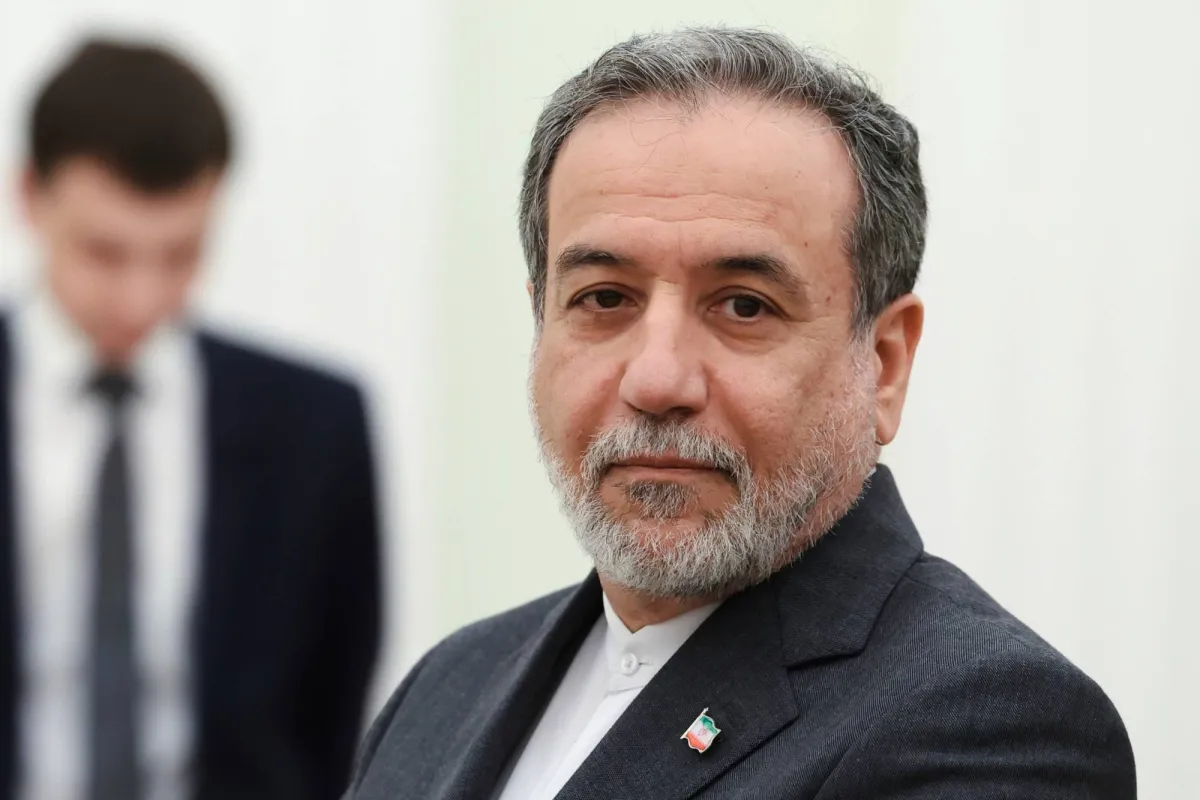
At the same time, Iranian Foreign Minister Abbas Araghchi conducted a round of diplomatic communications, the latest being a visit to Russia where he met with President Vladimir Putin. Araghchi attributed the failure of negotiations with Washington to "excessive demands" from the American side, emphasizing that his country remains steadfast despite the pressures.
Impact & Consequences
Concerns are growing about the impact of the ongoing war on the global economy, especially given the strategic importance of the Strait of Hormuz. While Iran seeks guarantees against any American or Israeli attack, the United States insists on not negotiating through the media, complicating the situation further.
The military escalation in the region, including the use of drones by Hezbollah, reflects the increasing tensions and complicates peace efforts. The American Secretary of State indicated that any agreement must permanently prevent Iran from acquiring nuclear weapons.
Regional Significance
These developments directly affect security and stability in the Arab region, where Gulf states are among the most impacted by disruptions in navigation through the Strait of Hormuz. Any military escalation could lead to serious economic repercussions for neighboring countries.
In conclusion, hope remains pinned on reaching a comprehensive settlement that ensures security and stability in the region, with the necessity of seriously addressing nuclear issues.