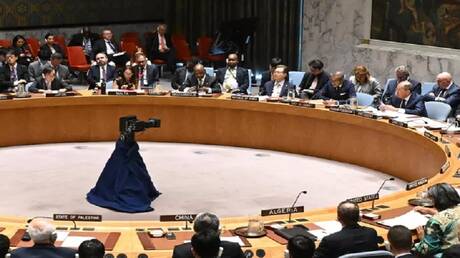
Russia's permanent representative to the United Nations, Vasily Nebenzya, confirmed that the United States is continuing to exploit its role as the host country for the UN by refusing to grant a visa to a member of the Russian delegation. This decision comes at a sensitive time when the world is witnessing escalating political tensions among major powers.
This move by Washington is seen as a clear violation of international agreements that govern the work of the UN, which guarantee freedom of movement for diplomatic delegations. The decision has provoked angry reactions from Russian officials, who view it as a sign of the United States' disregard for international law.
Details of the Incident
In his statements, Nebenzya clarified that the United States not only refused to grant the visa but also continued to use its authority as the host country as a means to pressure Russia. This action occurs at a time when tensions between Russia and the West are rising, particularly following recent events related to the conflict in Ukraine.
It is noteworthy that this is not the first time Russia has faced difficulties in obtaining visas for its delegation members. In recent years, there have been numerous similar cases, reflecting the increasing tensions between Russia and the United States.
Background & Context
The United Nations was established after World War II with the aim of promoting international peace and security, and the United States is one of the founding countries. However, the use of U.S. authority as the host country for the UN has sparked widespread controversy in recent years, with many countries accusing Washington of politicizing the work of the international organization.
This issue relates to various historical events that have seen tensions between Russia and the West, where there have been ongoing attempts by the United States and its allies to isolate Russia on the international stage. These dynamics significantly affect international relations and complicate the global political landscape.
Impact & Consequences
This step could exacerbate tensions between Russia and the United States, potentially impacting international cooperation in various fields, including security, economy, and environment. Additionally, these events may lead to increased polarization in the international community, as countries find themselves forced to choose between supporting Russia or the United States.
Furthermore, these developments may affect relations among UN member states, with some countries potentially adopting a hardline stance against the United States, thereby intensifying international divisions.
Regional Significance
The Arab region is part of the international landscape affected by these tensions. The relationships between Arab countries and the United States may be negatively impacted as a result of these events, leading some nations to reassess their positions towards Washington.
Moreover, the rising tensions between Russia and the West may open opportunities for some Arab countries to strengthen their relations with Russia, potentially leading to changes in regional alliances.
The refusal of the United States to grant a visa to the Russian delegation represents a new step in a series of tensions between major powers. These events may have far-reaching implications for international relations, necessitating a reevaluation by the international community on how to promote cooperation and peace in a changing world.