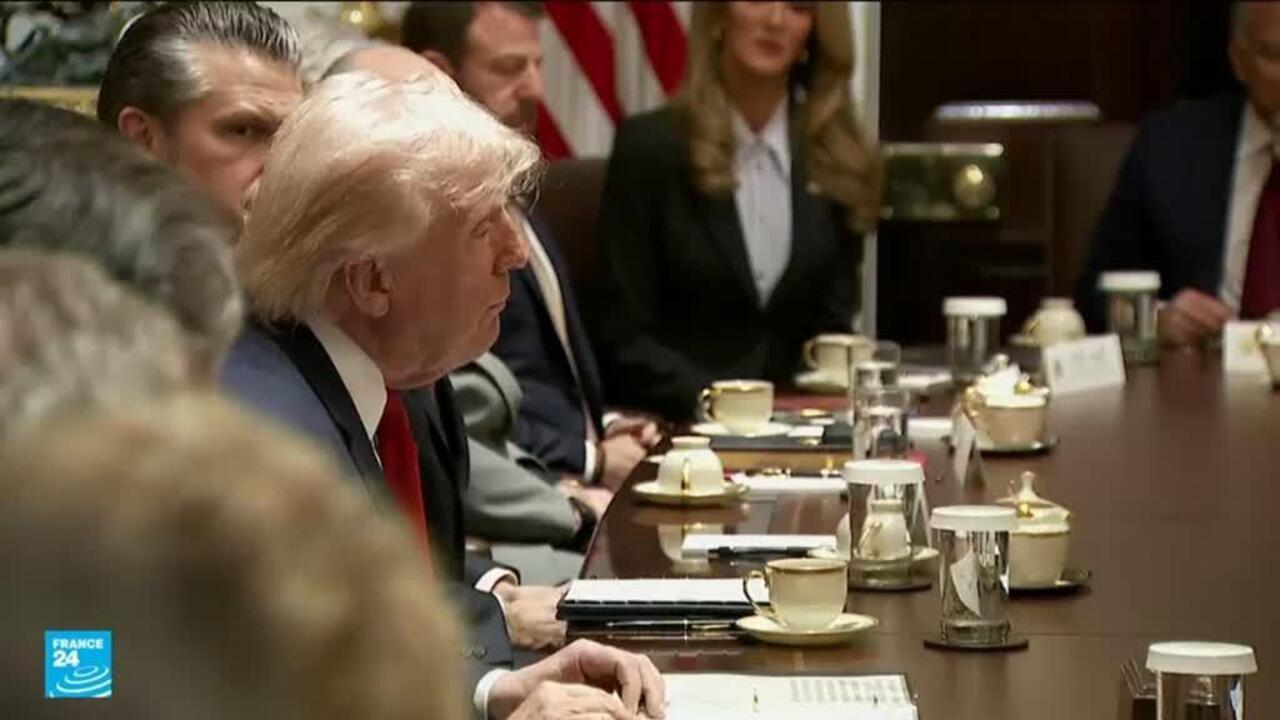
A U.S. official has expressed President Donald Trump's dissatisfaction with Iran's new proposal, which does not address sensitive issues related to the Iranian nuclear program. This statement comes at a critical time as tensions between the United States and Iran escalate, complicating the political landscape in the region.
The Iranian proposal, recently presented, aims to end the ongoing conflict by opening the Strait of Hormuz, a vital waterway through which a significant portion of global oil trade passes. However, postponing discussions on Iran's nuclear program until after the war raises concerns in Washington, which views this program as a threat to regional and international security.
Details of the Proposal
The Iranian proposal, revealed by Iranian sources, reflects Tehran's desire to negotiate an end to the conflict in the Gulf region. However, the lack of discussion regarding the nuclear program in this proposal is a major point of contention with the United States, which prioritizes this issue. Trump, who withdrew from the Iranian nuclear agreement in 2018, insists on the necessity of addressing this matter before any further steps are taken.
The United States, for its part, seeks to strengthen its position in negotiations, believing that any agreement must include strict limitations on Iranian nuclear activities. This stance reflects U.S. concerns that Iran may exploit any period of calm to enhance its nuclear capabilities.
Background & Context
Historically, relations between the United States and Iran have been tense since the Iranian Revolution in 1979. These relations further deteriorated after Trump's withdrawal from the nuclear agreement, leading to the imposition of severe economic sanctions on Tehran. These sanctions have significantly impacted the Iranian economy, prompting the government to seek diplomatic solutions.
In recent years, the region has witnessed an escalation in armed conflicts, particularly in Yemen and Syria, where Iran supports armed groups. This situation complicates negotiations and makes it difficult to reach a comprehensive agreement.
Impact & Consequences
The impact of this Iranian proposal on international relations could be substantial, potentially leading to increased tensions in the Gulf region. If the United States continues to reject Iranian proposals, the situation may escalate towards military confrontation, which many observers fear.
Moreover, the failure to reach an agreement could affect global oil prices, as any escalation in the region may lead to rising oil prices due to market concerns over supply disruptions.
Regional Significance
For Arab countries, the situation in the Gulf is extremely sensitive. Any escalation in the conflict between the United States and Iran could impact security and stability in the region. Gulf states, which heavily rely on oil exports, may find themselves in a difficult position if conditions worsen.
Furthermore, relations between Arab states and Iran could be affected, as many Arab nations view the Iranian nuclear program as a threat to their security. Therefore, any diplomatic move must consider the interests of all parties involved.
In conclusion, the future of U.S.-Iranian relations remains uncertain, as each side seeks to achieve its own interests. However, dialogue and negotiation remain the only way to avoid further escalation in the region.