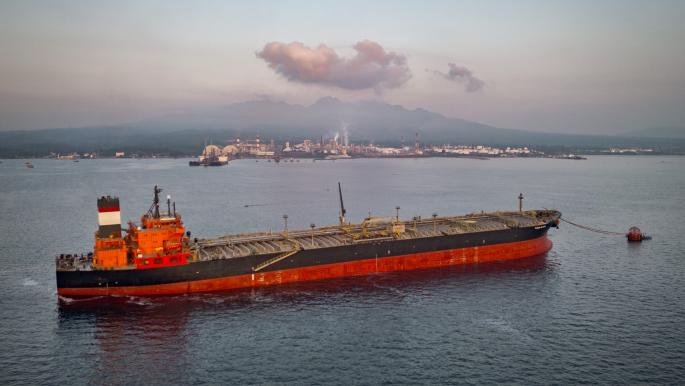
The United States has announced a 30-day extension of its temporary exemption for the sale of Russian oil stranded at sea, aiming to alleviate supply shortages and stabilize global energy prices. This decision reflects the ongoing challenges in the global energy market and the efforts to mitigate economic crises resulting from geopolitical conflicts.
This step comes at a time when the global market is experiencing sharp fluctuations in energy prices, driven by multiple geopolitical and economic crises affecting supply chains. Washington seeks to achieve market balance through these measures, which aim to relieve pressure on consuming countries.
Details of the Exemption
The new exemption period covers Russian oil that was stranded at sea, allowing it to be marketed in global markets. This decision is part of a broader strategy aimed at addressing the supply shortages that have arisen following sanctions imposed on Russia due to the conflict in Ukraine.
Through this measure, the United States aims to support its European allies, who are facing rising energy prices that significantly impact their economies. This decision comes at a sensitive time as winter approaches, increasing the demand for energy sources.
Background & Context
Historically, Russia has been one of the largest oil exporters to global markets, but the recent conflict in Ukraine has led to strict sanctions on the Russian energy sector. These sanctions have significantly impacted supply, resulting in unprecedented oil price increases.
In this context, the United States is seeking to strengthen its position in the market by providing alternatives to Russian oil, contributing to reducing dependence on Russian energy sources. Data has shown that many European countries have begun to seek alternative sources to meet their energy needs.
Impact & Consequences
This decision is expected to have significant effects on global oil prices. The extension of the exemption may lead to price stabilization in the short term, but it raises questions about the sustainability of this stability amid ongoing geopolitical tensions.
Moreover, this decision may reflect a shift in U.S. energy policy, as it seeks to enhance its role as a major energy supplier in global markets. This move is seen as a strategic step to bolster U.S. influence in the energy sector.
Regional Significance
For oil-producing Arab countries, this decision may lead to changes in market dynamics. Some countries may benefit from increased demand for alternative oil, while others may face challenges due to price fluctuations.
This decision may also open avenues for Arab countries to strengthen their partnerships with the United States in the energy sector, contributing to greater stability in regional markets.
The extension of the U.S. exemption for Russian oil reflects the ongoing challenges in the global energy market and the efforts to alleviate economic crises stemming from geopolitical conflicts. Under these circumstances, the question remains about how these policies will impact the future of energy worldwide.