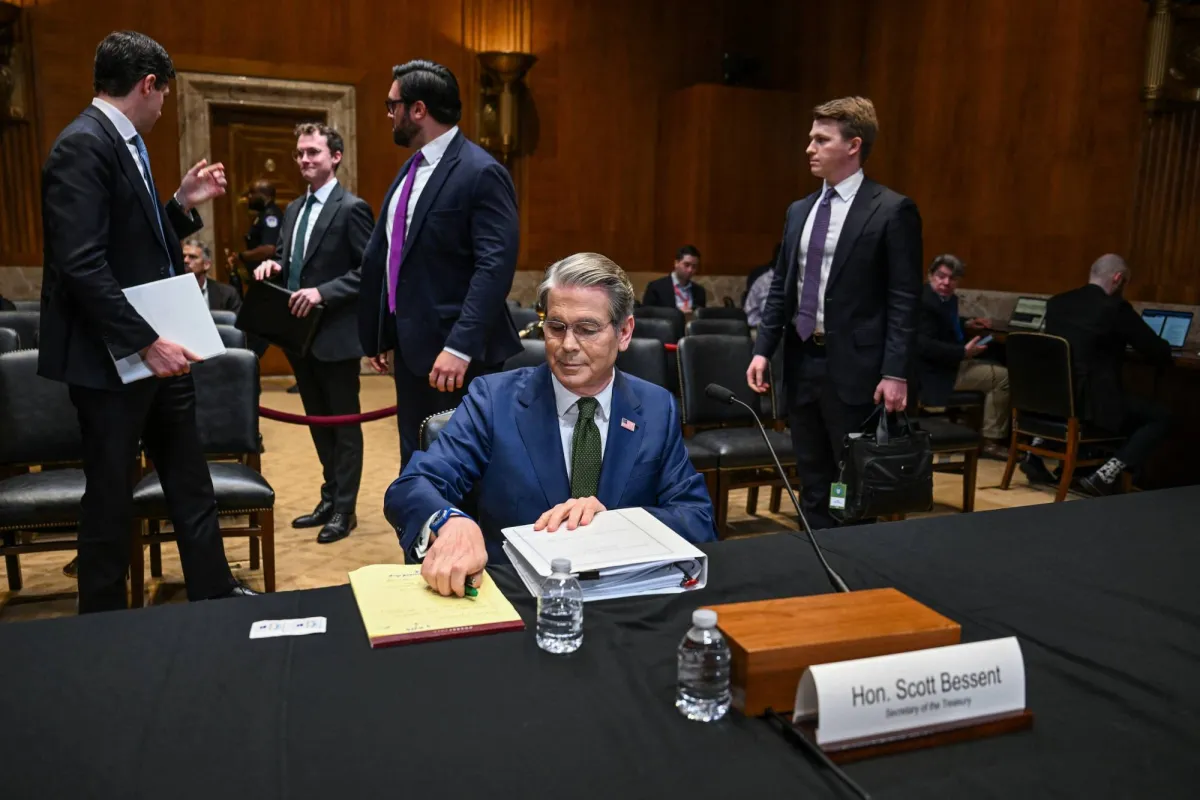
The Trump administration is caught between escalating economic sanctions and extending exemptions related to Iranian and Russian oil, reflecting confusion in U.S. policy towards these two countries. This uncertainty has drawn criticism from congressional Democrats, who are demanding clarification on the administration's economic strategy.
In mid-April, Treasury Secretary Scott Benczkowski announced that the United States would not extend the exemption allowing the sale of Russian oil. However, just two days later, the Treasury Department issued a new 30-day deadline, which angered Ukrainian President Volodymyr Zelensky, who described the decision as "money for war." Senate Democrats also deemed this policy shift as a "shameful" decision.
Details of the Situation
These developments illustrate a state of confusion in American policy, as the United States had previously used its financial power to cripple the economies of its adversaries. However, with rising pressures from developing countries, the administration has been forced to reconsider its policy. Simultaneously, the Trump administration launched a broad campaign of sanctions targeting 40 shipping companies and vessels linked to Iranian oil, in addition to imposing sanctions on a Chinese refinery considered one of the largest buyers of Iranian oil.
During a Senate hearing, Benczkowski indicated that the decision to extend the license for Russia was a result of pressures from developing nations, reflecting the challenges the United States faces in managing its oil policy.
Context and Background
These developments come at a sensitive time, as the Trump administration is dealing with the repercussions of the war that began with Israel against Iran. This conflict has led both Russia and Iran to leverage their influence in energy markets to respond to U.S. sanctions. Benczkowski noted that the economic pressures imposed on Iran aim to force it to close its wells, which could lead to the collapse of its economy.
In turn, Iran has utilized the Strait of Hormuz as a pressure tool, complicating the American sanctions strategy. Tracking data has shown that some tankers linked to Iran continue to sail, indicating that the American blockade may not be as effective as anticipated.
Consequences and Impact
These exemptions are estimated to fill Russia's coffers with around $200 million daily, undermining U.S. and Western efforts to limit Moscow's ability to finance its war in Ukraine. Democratic Senator Chris Coons warned that helping your adversary make money during a war is a bad idea, noting that Russia's revenues also support Iran militarily.
These dynamics suggest that the Trump administration did not anticipate this situation to last long, resulting in fluctuations in policy. Some analyses have considered this inconsistency as indicative of the lack of a ready model to deal with economic wars, complicating the situation further.
Impact on the Arab Region
These developments directly affect the Arab region, where fears are increasing regarding rising tensions between Iran and Arab states. Additionally, the continuation of U.S. sanctions on Iran may exacerbate economic conditions in the region, impacting regional stability.
In conclusion, U.S. policy towards Iran and Russia remains under the world's scrutiny, as pressures mount on the U.S. administration to clarify its strategy and set its priorities amid volatile conditions.