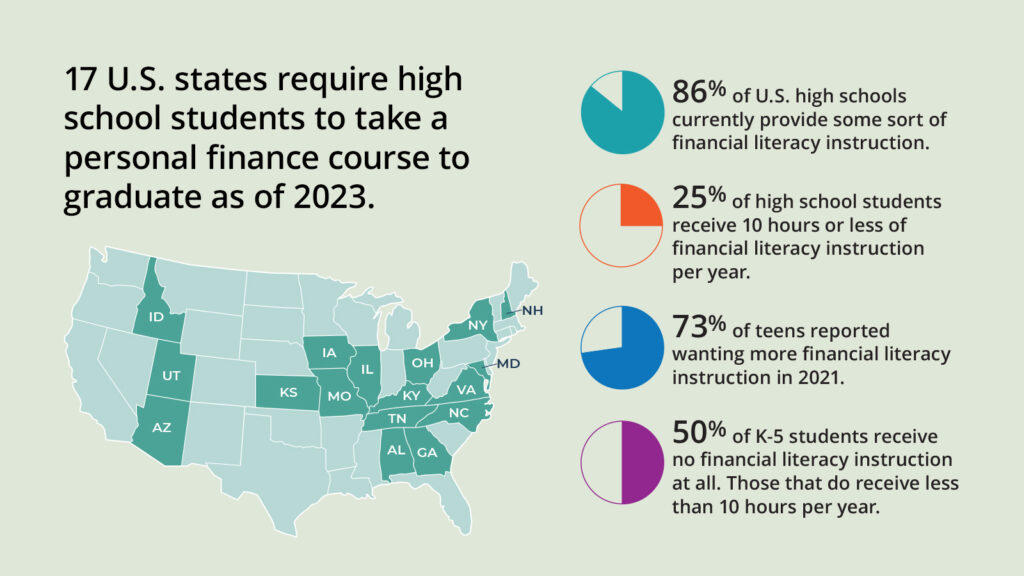
The Egyptian Mothers Association has welcomed the inclusion of financial literacy in school curricula, emphasizing the need for its simplified application. This decision is part of efforts to enhance financial awareness among students, marking an important step towards educational development in Egypt.
The association aims for a greater focus on how to manage money and financial planning, helping students acquire essential life skills. This trend reflects a growing interest in the importance of financial literacy in an era of increasing economic challenges.
Event Details
The Egyptian Ministry of Education announced the inclusion of a financial literacy subject in school curricula, which has been widely welcomed by Egyptian mothers. The association confirmed that this inclusion should be accompanied by a simplified application that makes it easier for students to understand. They highlighted the importance of making the subject available to all educational stages.
The association also called for the necessity of providing training for teachers on how to effectively teach this subject to ensure the achievement of its intended goals. They considered financial literacy an integral part of modern education and should be prioritized in curricula.
Background & Context
This step comes as part of the Egyptian government's efforts to improve the quality of education, as financial literacy represents a core element in building a financially aware generation. In recent years, Egypt has witnessed significant economic transformations, increasing the need for appropriate financial education that helps new generations deal with economic challenges.
Historically, financial literacy has been absent from school curricula in Egypt, leading to a lack of financial awareness among youth. With the government's recognition of the importance of this issue, the inclusion of financial literacy in curricula has become an urgent necessity.
Impact & Consequences
The inclusion of financial literacy is expected to have positive effects on Egyptian society. This decision will contribute to enhancing financial awareness among youth, enabling them to make better financial decisions in the future. It will also help reduce poverty rates and increase investment opportunities.
Moreover, this trend may lead to an improvement in the living standards of families, as students will learn how to manage their financial resources more effectively. Consequently, this will have a positive impact on the national economy as a whole.
Regional Significance
Financial literacy is considered an important part of education in many Arab countries, and some other nations have begun to include it in their curricula. The success of Egypt's experience in this field may encourage other countries to adopt the same approach, thereby enhancing financial awareness in the region.
In light of the economic challenges faced by many Arab countries, it becomes essential to promote financial literacy as a means of adapting to these challenges. Therefore, Egypt's experience could serve as a model for the region.
In conclusion, the inclusion of financial literacy in school curricula represents an important step towards building a financially aware generation. Enhancing financial awareness among youth will contribute to improving living standards and supporting the national economy, making this initiative worthy of support and practical implementation.