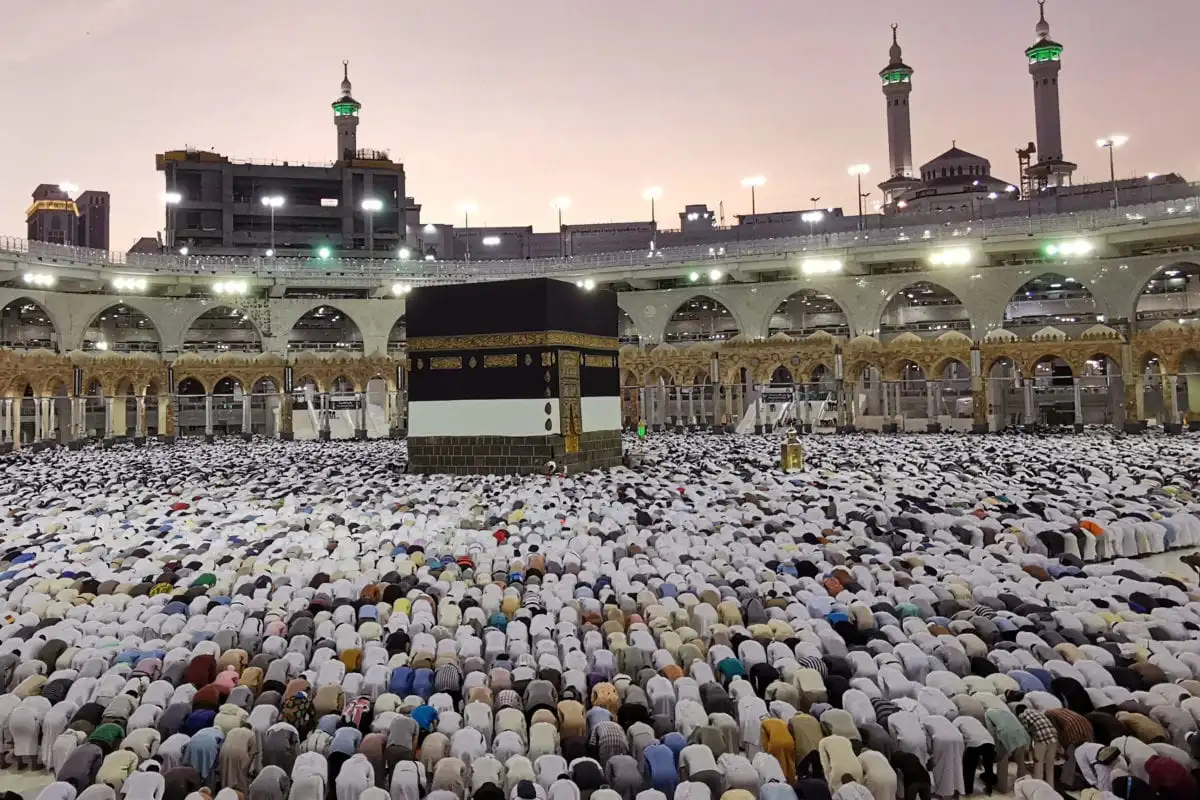
Every year, Saudis joyfully welcome pilgrims during the Hajj season, embodying a spirit of solidarity among Muslims worldwide. This event showcases the cultural and religious identity of the Saudi people. The celebration is evident in the various forms of hospitality that characterize this season, from welcoming pilgrims at air and land entry points to bidding them farewell after they complete their rituals.
These moments are an integral part of the cultural and religious identity of Saudis, who strive to provide the best services to the guests of Allah. This commitment is reflected in the provision of accommodation, food, transportation, and necessary healthcare to ensure the safety of the pilgrims.
Event Details
The Hajj season begins each year on the eighth day of Dhul-Hijjah, when pilgrims head to Mecca to perform the rituals. Saudis receive the pilgrims at King Abdulaziz International Airport in Jeddah, where an official reception is organized, including the presentation of gifts and flowers. Accommodation in Mecca and Medina is also prepared to welcome the pilgrims.
The reception ceremonies also include organizing cultural and religious activities aimed at strengthening the bonds between the pilgrims and the Saudi community. Saudis demonstrate their hospitality by offering traditional food and beverages, reflecting the richness of Saudi culture.
Background & Context
Historically, Hajj has been considered one of the most important religious occasions for Muslims, gathering millions from various nationalities and cultures. Since the establishment of the Kingdom of Saudi Arabia, the government has placed significant emphasis on developing Hajj infrastructure, which has contributed to enhancing the pilgrims' experience.
Today, Saudi Arabia is one of the leading countries hosting pilgrims, consistently striving to improve its services and facilitate entry and exit procedures. This focus reflects the Kingdom's commitment to enhancing its status as a global religious destination.
Impact & Consequences
The Hajj season significantly impacts the Saudi economy, contributing to increased revenues from religious tourism. It also enhances the Kingdom's standing in the Islamic world and showcases its capability to host this massive event.
The effects of Hajj extend beyond economic boundaries, as it strengthens relationships between Islamic countries and reflects the spirit of unity and solidarity among Muslims. Hajj represents an opportunity for cultural and experiential exchange among pilgrims, fostering mutual understanding.
Regional Significance
Hajj is a significant event in the Arab world, attracting pilgrims from all Arab countries. This large gathering reflects the cultural and religious ties that bind Arabs together and promotes cooperation among nations in tourism and services.
Moreover, the Hajj season highlights the challenges faced by Arab countries in organizing major events, necessitating the development of new strategies to ensure the success of such occasions in the future.
In conclusion, the Hajj season remains a symbol of unity and solidarity among Muslims, renewing memories and strengthening cultural and religious ties. Saudi Arabia remains at the heart of this event, providing the best services to the guests of Allah, reflecting hospitality and rich traditions.