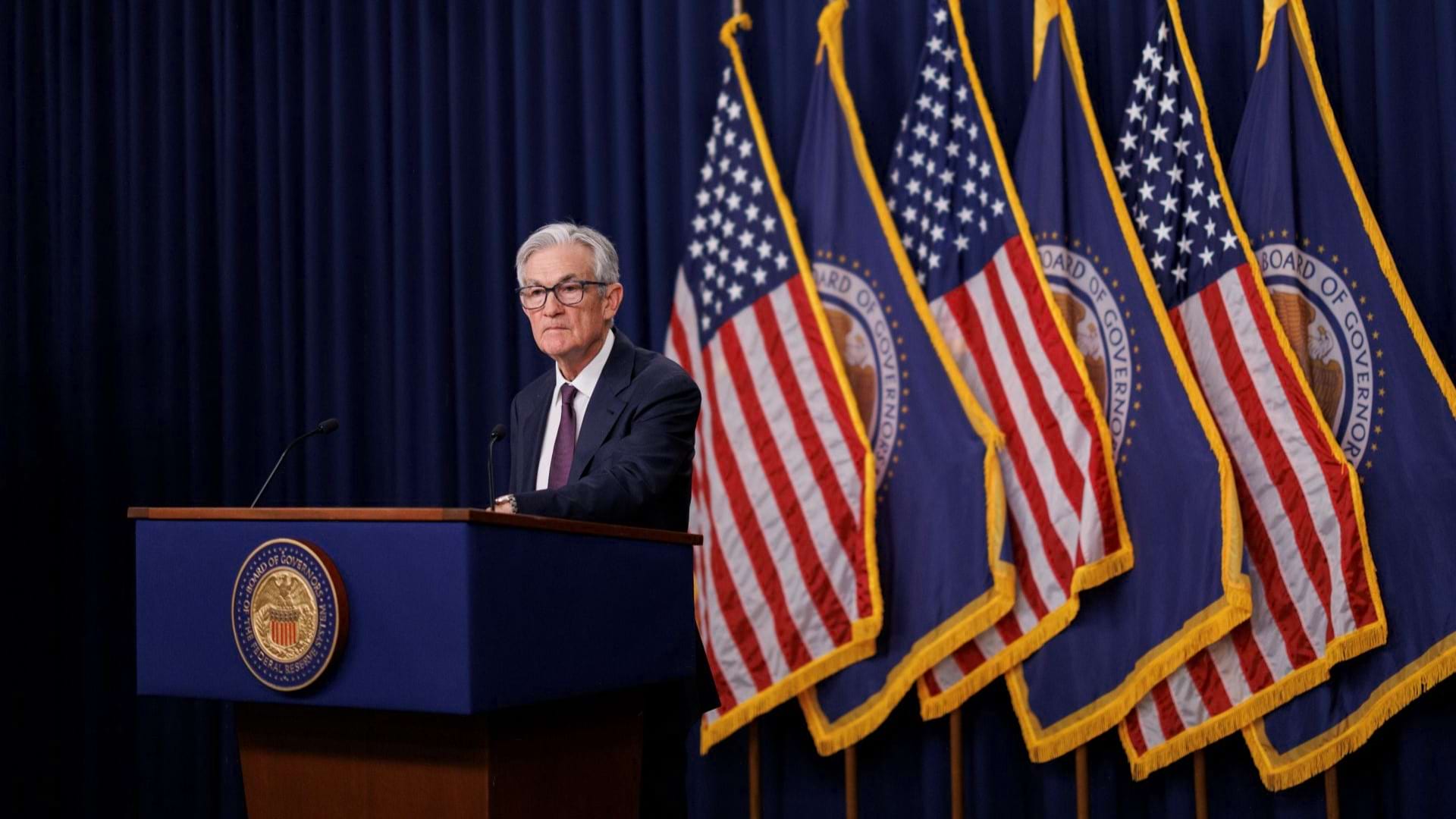
Eyes are on the U.S. Senate after President Donald Trump announced his selection of Jerome Powell to lead the Federal Reserve. However, the fate of this nomination remains uncertain, as Powell may face significant challenges in securing the Senate's approval. If the Senate rejects this choice, it will be essential to determine who will lead the Fed during this critical phase.
The presidency of the Federal Reserve is one of the most influential positions in U.S. economic policy, controlling interest rates and monetary policy directions. A Senate rejection of Trump's nominee could lead to uncertainty in financial markets, potentially negatively impacting the U.S. economy.
Details of the Event
Trump's selection of Jerome Powell comes as part of his efforts to bolster his economic policies, especially amid the challenges facing the country. Powell, currently a member of the Federal Reserve Board, has extensive experience in the financial sector, but his stance on certain monetary policies may spark controversy in the Senate.
If Powell is rejected, the Federal Reserve will need a new leader capable of addressing current economic challenges, including inflation and unemployment. This scenario may open the door for other candidates who might align more closely with the views of some Senate members.
Background & Context
Historically, the United States has witnessed similar instances where nominations for Federal Reserve chairs faced opposition from the Senate. For example, some candidates have been rejected due to their political or economic stances that did not align with the majority's views in the chamber.
These developments come at a sensitive time when the U.S. economy is under significant pressure due to the COVID-19 pandemic, necessitating strong and effective leadership at the Federal Reserve. Any delay in appointing a new chair could exacerbate economic conditions.
Impact & Consequences
The rejection of Powell's nomination could lead to instability in financial markets, as investors heavily rely on the stability of monetary policy. Any change in leadership may raise concerns about the future direction of the U.S. economy, impacting investment decisions.
Moreover, uncertainty regarding who will head the Federal Reserve could lead to fluctuations in interest rates, affecting loans and financing for individuals and businesses. This situation could negatively impact economic growth.
Regional Significance
The United States is one of the largest trading partners for many Arab countries, and any changes in U.S. monetary policy could affect Arab economies. Rising interest rates in the U.S. may lead to capital outflows from emerging markets, including Arab nations.
Additionally, instability in the U.S. economy could influence oil prices, impacting the budgets of oil-producing countries in the region. Therefore, monitoring developments at the Federal Reserve is vital for Arab nations.
In conclusion, all eyes remain on the U.S. Senate, as its decision will determine the fate of the Federal Reserve in the coming phase. Any decision made by the chamber will have far-reaching implications for both the U.S. and global economies.