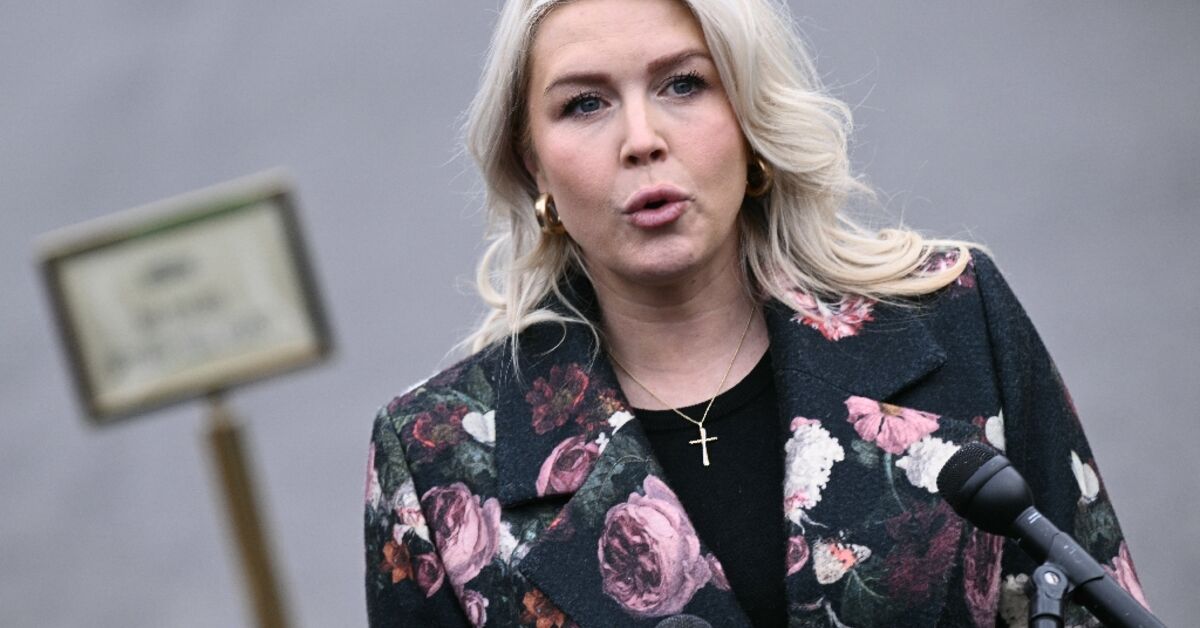
The White House defended calls for prayer on Monday for American soldiers participating in the war with Iran, following Pope Leo XIV's warning that God rejects the prayers of those who wage wars. White House spokesperson Caroline Levitt told reporters, "There is nothing wrong with military leaders or the President of the United States asking the public to pray for service members who are serving their country abroad."
This statement comes at a sensitive time, as tensions between the United States and Iran escalate, raising concerns about the safety of American soldiers in the region. The Pope's remarks have elicited mixed reactions, with some viewing them as a call to reflect on the consequences of wars, while others see them as conflicting with support for the troops.
Pope's Remarks and Their Context
Pope Leo XIV's statements were made during his discussion on the importance of peace and the role of religion in fostering understanding among peoples. He emphasized that God does not accept prayers from those who use force and violence to achieve their goals. In contrast, the White House spokesperson argued that praying for soldiers reflects the American community's support for them and embodies the spiritual values that encourage solidarity in difficult times.
These discussions come amid increasing U.S. military operations in the Middle East, as the United States continues to bolster its military presence in the region to counter Iranian threats. Some observers have noted that these statements reflect a division of opinions on how to handle military conflicts.
Historical Context of Religion and Politics
Historically, the relationship between religion and politics has been a contentious topic. In many cultures, prayer is seen as a means of communicating with God and seeking assistance in difficult times. However, the use of religion to justify wars or military actions has drawn widespread criticism, as many believe it contradicts fundamental human values.
In recent years, relations between the United States and Iran have become increasingly strained, especially after the U.S. withdrawal from the Iranian nuclear deal in 2018. This move escalated military tensions, making it essential for the U.S. government to take clear stances regarding support for troops abroad.
Implications of Religious Statements on Public Policy
These events illustrate how religious statements can influence public policy, particularly in the context of wars and conflicts. While the White House seeks to bolster support for soldiers, it also faces pressure from human rights organizations and civil society calling for an end to wars and the pursuit of peaceful solutions to conflicts.
The Pope's remarks may open the door for further discussion about the role of religion in politics and how it can affect military decisions. At the same time, these discussions could enhance public awareness of the importance of peace and the necessity of seeking peaceful solutions to conflicts.
Repercussions for the Arab Region
Considering the situation in the Arab region, statements regarding prayer for American soldiers may influence how Arab populations view U.S. military interventions. Many Arabs believe that these interventions often exacerbate humanitarian crises and destroy communities.
Promoting dialogue between religions and cultures could be a significant step towards achieving peace in the region. Amid current tensions, calls for prayer for peace may contribute to enhancing understanding among peoples and alleviating the severity of conflicts.