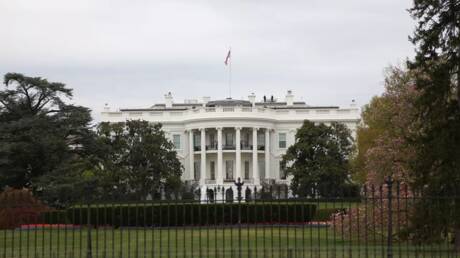
The White House has denied that President Trump's administration has approved a specific ceasefire plan with Iran, emphasizing that the proposed truce lasting 45 days is just one of several options being considered.
This denial comes after media reports indicated the possibility of reaching a temporary agreement to halt escalation amid rising tensions in the region.
Details of the Situation
Recent events in the Middle East have accelerated, with tensions between the United States and Iran intensifying. Questions have arisen regarding the feasibility of a temporary ceasefire, especially following a series of reciprocal statements from officials in both countries.
The White House clarified that any ceasefire proposal must be part of a comprehensive strategy addressing the underlying issues that have led to the current tensions. It confirmed that the U.S. administration is considering all available options, but no final decision has been made yet.
Background & Context
The roots of the tensions between the United States and Iran date back several years, with a notable escalation in relations since Washington's withdrawal from the Iranian nuclear deal in 2018. This withdrawal led to the imposition of severe economic sanctions on Iran, significantly impacting its economy.
In recent years, the region has witnessed numerous military incidents, including attacks on oil facilities in Saudi Arabia, which Iran has been accused of orchestrating. These events have heightened tensions and raised fears of potential military escalation.
Impact & Consequences
If a ceasefire agreement is reached, it could have a positive impact on regional stability. This could lead to a de-escalation of tensions, allowing for diplomatic dialogue between the two sides.
However, any potential agreement may face significant challenges, including mutual distrust between the parties. Additionally, other regional powers may seek to influence the proceedings, complicating the negotiation process.
Regional Significance
The relationship between the United States and Iran significantly impacts the situation in the Arab region. Any escalation in tensions could have negative repercussions for neighboring countries, particularly those suffering from internal conflicts.
If a truce is achieved, it could contribute to improving the economic and security conditions in some Arab countries, allowing them to focus on their internal issues rather than being preoccupied with regional tensions.
In conclusion, the situation in the region remains complex, relying on the involved parties' ability to overcome their differences and reach diplomatic solutions. Given the current circumstances, hope remains for the possibility of an agreement that contributes to achieving stability.