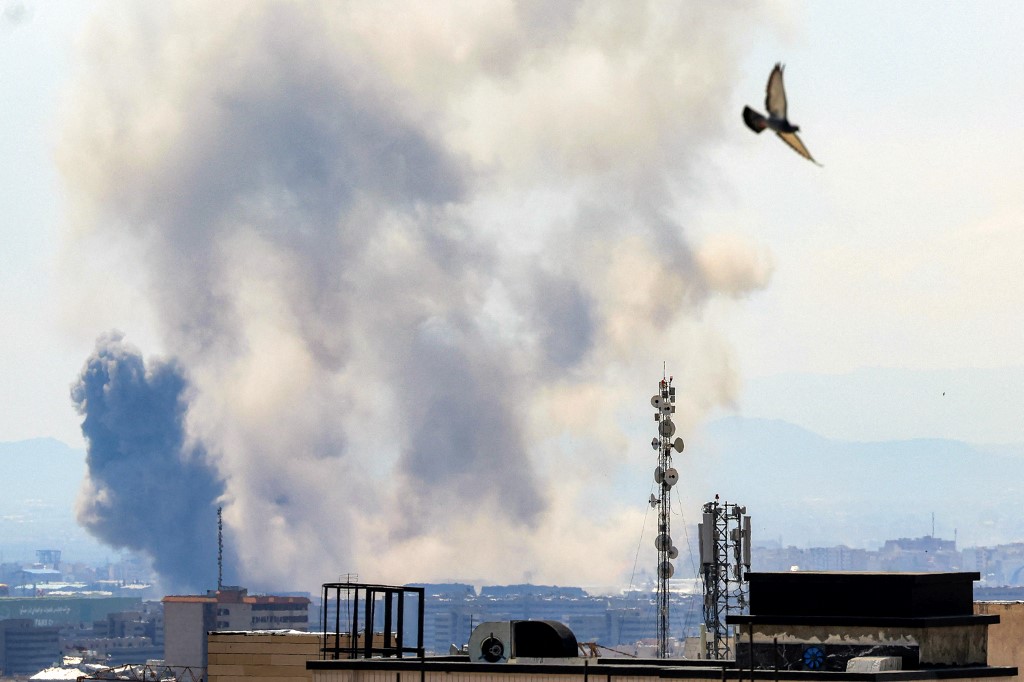
The White House has denied any consideration of using nuclear weapons against Iran, following a series of harsh threats from President Donald Trump. This denial came after Trump's alarming warning that a 'whole civilization will perish' if Iran does not open the Strait of Hormuz by Tuesday.
These statements come at a highly sensitive time, as tensions between the United States and Iran are escalating. Trump's threats have raised widespread concern in political and diplomatic circles, with many believing that such statements could lead to serious escalation in the region.
Details of the Event
In recent days, Trump has issued a series of statements described as 'end-of-the-world' threats, raising fears of potential military escalation. The White House's denial came just hours after those statements, indicating an attempt to ease the rising tensions. U.S. officials have confirmed that the use of nuclear weapons is not an option being considered in dealing with Iran.
Trump's statements are part of the maximum pressure policy pursued by the U.S. administration towards Iran, which includes imposing strict economic sanctions. However, the threat of using nuclear weapons raises questions about the U.S. administration's strategies in addressing security challenges in the region.
Background & Context
Historically, U.S.-Iranian relations have seen increasing tensions since the Islamic Revolution in 1979. Since then, there have been several attempts at negotiations, but they have often failed. In recent years, these tensions have escalated further following the U.S. withdrawal from the Iranian nuclear deal in 2018.
The Arabian Gulf region, particularly the Strait of Hormuz, is a vital strategic point, through which about 20% of the world's oil passes. Any escalation in this area could significantly impact global energy markets and lead to widespread economic repercussions.
Impact & Consequences
Trump's recent statements could lead to potential military escalation in the region, raising fears of an all-out conflict. If this occurs, the consequences would be dire for everyone, including neighboring countries that could be directly affected.
Moreover, the use of nuclear weapons, even as a threat, could change the rules of the game in international politics. This could provoke reactions from other countries, further complicating the security situation in the region.
Regional Significance
For Arab countries, any escalation in tensions between the United States and Iran could impact the stability of the region. Many Arab nations rely on the stability of the Strait of Hormuz to ensure the flow of oil, and any threats could lead to rising oil prices and increased economic tensions.
Additionally, the deteriorating security situation could lead to heightened tensions among various factions in the region, potentially threatening the national security of Arab states. Therefore, it is crucial for Arab countries to remain vigilant and work towards enhancing regional cooperation to address security challenges.