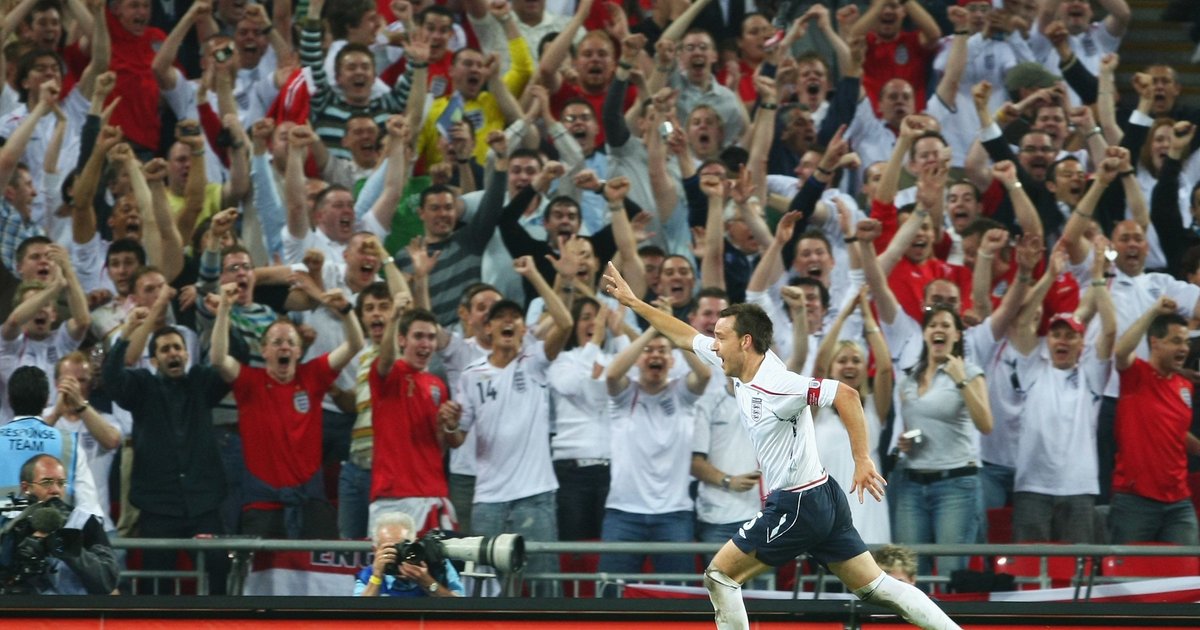
In a dramatic match at Wembley, player White scored a goal but was met with boos from the crowd. This incident highlights the rising tensions among the team's supporters.
During an exciting match, White managed to score a goal in the 23rd minute, providing his team with a morale boost. However, the joy of the fans was short-lived as boos began to rise with the player's declining performance in the second half. These moments reflect a sense of dissatisfaction among the fans, who expected better performance from their player.
Match Details and Player Performance
White scored his goal after a brilliant pass from his teammate. However, following this initial success, his performance began to wane, leading to the fans' frustration. By the 70th minute, the player faced clear boos from the stands, escalating the tension in the atmosphere of the match.
This match is part of a series of fluctuating performances from the player, who had shown high levels in some previous games but failed to maintain this standard during the Wembley match. This situation raises questions about the player's future with the team and his ability to regain the fans' trust.
Background & Context
Historically, Wembley matches have witnessed many thrilling moments, as the stadium is a symbol of English football. However, fan reactions to players can sometimes be harsh, especially when supporters expect outstanding performances. White, who joined the team at the beginning of the season, had received significant support from fans initially, but his inconsistent performance may affect this relationship.
The pressure on players in such matches is increasing, as fans expect positive results. In White's case, it seems that this pressure has impacted his performance, leading to negative reactions from the crowd.
Impact & Consequences
Fan reactions significantly affect players, as they can lead to a decline in self-confidence. In White's case, the boos may influence his performance in upcoming matches, increasing the pressure on him. Additionally, this situation could lead to changes in the team's starting lineup, as the coach may seek more stable alternatives.
On the other hand, these events may spark broader discussions about how clubs handle fan pressures and how to support players during tough times. Psychological support is a crucial part of player development, and there should be a balance between fan expectations and player needs.
Regional Significance
Football is an integral part of Arab culture, with millions of Arabs following European club matches. The reactions of fans towards players in Europe reflect what happens in the Arab region, where Arab players also face similar pressures. White's experience could serve as an important lesson for Arab players on how to cope with pressure and expectations.
In conclusion, football remains an exciting game filled with emotions and tensions. Players and fans must learn how to handle these feelings positively to ensure the continued success of the sport.