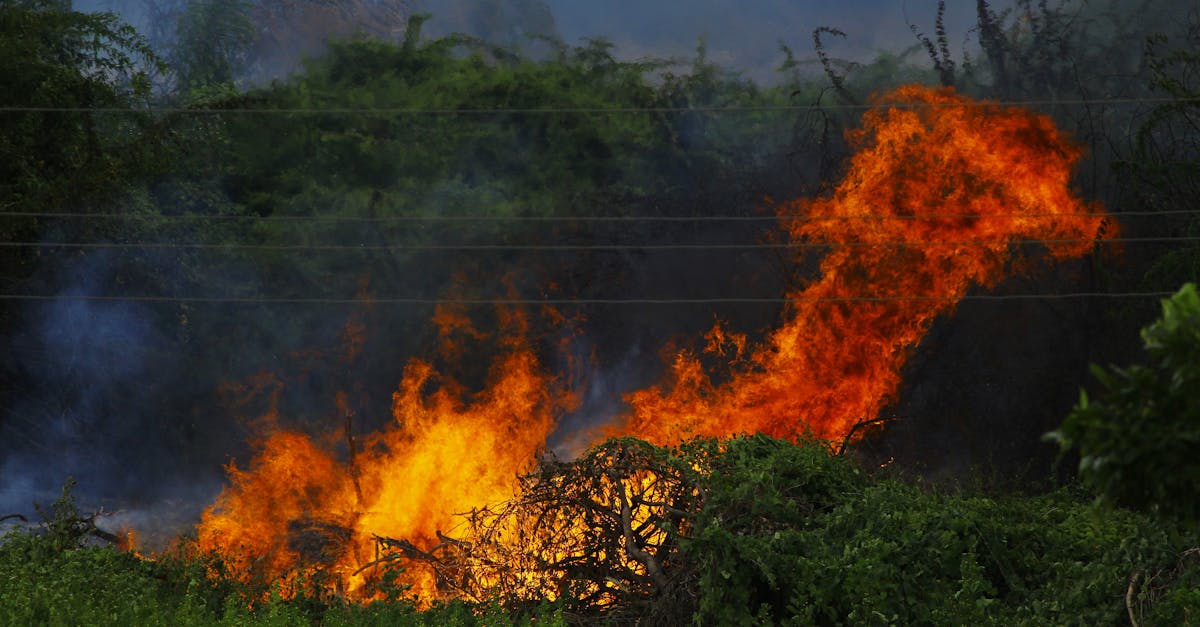
Wildfires continue to blaze across several countries, raising alarms about their environmental and health impacts. These fires, ongoing for weeks, have caused significant losses to wildlife and property. In regions such as the United States and Canada, emergency states have been declared due to the unprecedented spread of the flames.
Reports indicate that the fires have led to the evacuation of thousands of residents from their homes, as firefighting teams struggle to control the flames. In some areas, vast expanses of forest have been destroyed, threatening biodiversity and increasing greenhouse gas emissions.
Event Details
In the United States, the fires have been particularly concentrated in states like California and Oregon, where record temperatures have been recorded. Emergency declarations have been made in several areas, allowing authorities to mobilize additional resources to combat the fires. In Canada, the fires continue to threaten local communities, with residents of several towns being evacuated.
Satellite images show the extent of the fires, with smoke from the flames covering large areas of the sky. Negative impacts on air quality in surrounding areas have also been observed, raising health concerns for residents.
Background & Context
Historically, many countries have experienced seasonal wildfires, but climate change has exacerbated this phenomenon. Rising temperatures and ongoing drought conditions increase the likelihood of fire outbreaks. In recent years, wildfires have become more severe and frequent, alarming scientists and environmentalists.
Wildfires are part of a natural cycle, but human activities such as deforestation and urban expansion contribute to increased risks. In some areas, fires are seen as a means to clear forests, yet they simultaneously threaten wildlife and local communities.
Impact & Consequences
Wildfires significantly impact the environment, leading to the loss of natural habitats and the destruction of animal homes. Additionally, carbon emissions from the fires contribute to the worsening of global warming. These fires also affect human health, as they can cause respiratory issues due to smoke inhalation.
Combating wildfires requires multifaceted strategies, including improved forest management and increased public awareness of the risks. International cooperation is also deemed essential to address these environmental challenges.
Regional Significance
Although wildfires are currently concentrated in countries like the United States and Canada, the Arab region is not immune to this phenomenon. Some Arab countries, such as Algeria and Lebanon, experience seasonal wildfires, affecting local environments and threatening biodiversity.
Climate change is one of the main factors contributing to the increase in wildfires in the region, necessitating urgent action to address these challenges. Arab countries must enhance fire prevention strategies and develop emergency plans to deal with these phenomena.