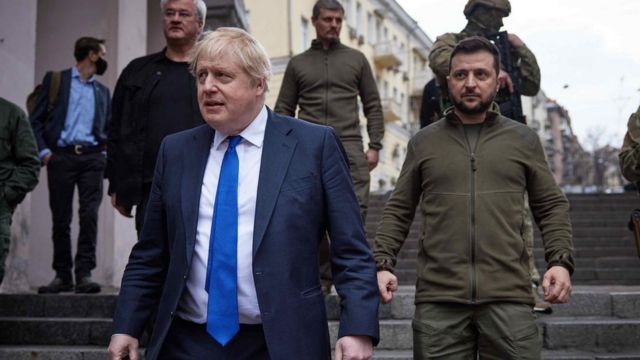
Danish Prime Minister Mette Frederiksen has become a key figure in the political landscape of Denmark, having led the country for the past few years. However, with intensifying pressures on her government due to the ongoing Greenland crisis, questions are being raised about the sustainability of her leadership. Will Danish voters opt for change in the upcoming elections, or will Frederiksen continue to steer their course?
The political and economic crises facing Denmark have been spotlighted, particularly the current situation in Greenland, which finds itself at the heart of numerous challenges. The current government, under Frederiksen’s leadership, is under increasing pressure to make tangible improvements and find sweeping solutions to the crises plaguing the nation.
Event Details
Since taking office in 2019, Frederiksen has been under global scrutiny, especially regarding her handling of the Greenland issue and foreign policies. Her tenure has seen notable changes in social and economic aspects, but her radical decisions concerning investment and regional development have alarmed many.
As the crisis in Greenland escalates, Frederiksen faces mounting pressure from the opposition and various community segments to ease tensions and achieve substantial progress. Everyone understands that any change in policy towards Greenland will have direct implications for her popularity and the results of the upcoming elections.
Background & Context
Frederiksen has focused her efforts over the past few years on strengthening national cohesion and addressing climate challenges. However, increasing doubts about her policies have begun to elicit negative reactions from voters, which could impact the government’s popularity. With protests demanding change, citizens appear fatigued by the current situation.
Part of the challenge facing Frederiksen arises from the nature of political alliances in Denmark. The Danish political system heavily relies on party coalitions, making any government change require complex agreements which could undermine overall efficacy.
Impact & Consequences
The potential results of these elections not only reflect the future of Frederiksen’s political career but may also influence Denmark's international relations and foreign policies, including engagement on environmental issues and climate change. There is an increasing need to listen to voters and interact seriously and comprehensively with their demands.
Frederiksen is expected to bolster her strategy to maintain her party's seats in parliament, yet significant economic challenges and the Greenland crisis could complicate matters. Therefore, maintaining the positive image that Frederiksen once enjoyed will not be achievable without effective solutions to these pressing issues.
Regional Significance
In addition to the impact of the elections on Denmark's internal affairs, the results may also reflect on Northern Europe's relationships with the Arab world. Denmark plays a role in various global issues, including climate discussions and developments in the Middle East. The policies of the next government concerning Arab-European relations could be of interest to many.
In conclusion, it is clear that the upcoming phase holds numerous surprises, and Danish voters are expected to closely monitor the electoral process due to its implications for the nation’s future.