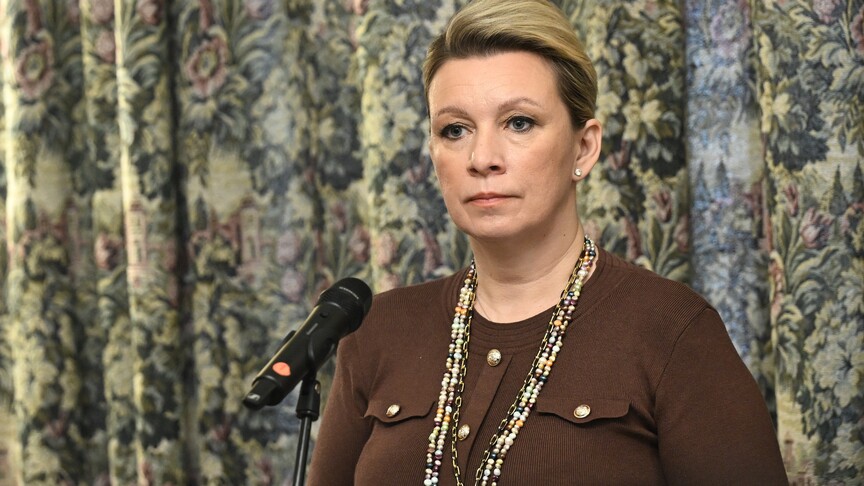
Russian Foreign Ministry spokesperson Maria Zakharova stated that the withdrawal of US forces from Europe would be a rational and necessary step for regional stability. She emphasized that Russian nuclear forces are on constant alert to execute combat missions at any moment, reflecting the escalating tensions between Russia and the West.
This statement comes at a sensitive time, as fears of escalating conflict in Ukraine are growing, with military operations intensifying since the beginning of the year. Russia views the presence of US forces in Europe as a threat to its national security, making it essential to reassess this presence.
Details of the Statement
In her remarks, Zakharova confirmed that Russia is closely monitoring the situation and that Russian nuclear forces are prepared to respond to any potential threats. She also indicated that the presence of US forces in Europe exacerbates tensions in the region, necessitating steps to alleviate these tensions.
These statements come at a time when there is increasing pressure on the United States from its European allies, who are expressing concerns about the military escalation in Ukraine. Some European leaders have called for a reassessment of the US military strategy in the region.
Background & Context
Historically, Russian-American relations have experienced significant fluctuations, especially after the end of the Cold War. With the escalation of the conflict in Ukraine, these relations have become more strained, as Russia accuses the West of interfering in its internal affairs and providing military support to Kyiv.
Since 2014, when Russia annexed Crimea, the United States and its allies have imposed economic sanctions on Moscow, complicating relations between the two sides. In recent years, the United States has increased its military presence in Europe, raising concerns in Russia and prompting it to bolster its military capabilities.
Impact & Consequences
The withdrawal of US forces from Europe could lead to a shift in security dynamics in the region. If this withdrawal occurs, some European countries may feel anxious about increasing Russian influence, potentially driving them to enhance their defensive capabilities or seek new alliances.
On the other hand, some may view this withdrawal as a means to reduce tensions between Russia and the West, opening the door for new diplomatic dialogue. However, the question remains about Russia's willingness to make concessions in the context of such dialogue.
Regional Significance
In light of these developments, the American withdrawal from Europe may have indirect effects on the Arab region. An increase in Russian influence in Europe could mean strengthened Russian relations with Middle Eastern countries, potentially affecting regional balances.
Additionally, the rising tensions between Russia and the West could impact the situation in Syria, where Russia plays a pivotal role in the conflict. Therefore, any changes in US policy towards Europe could influence Arab countries' strategies in dealing with regional crises.
In conclusion, Russian statements regarding the withdrawal of US forces from Europe reflect a shift in geopolitical dynamics, necessitating close monitoring by the international community. As Russia seeks to strengthen its position, the greatest challenge remains how to manage relations with the West amid these escalating tensions.