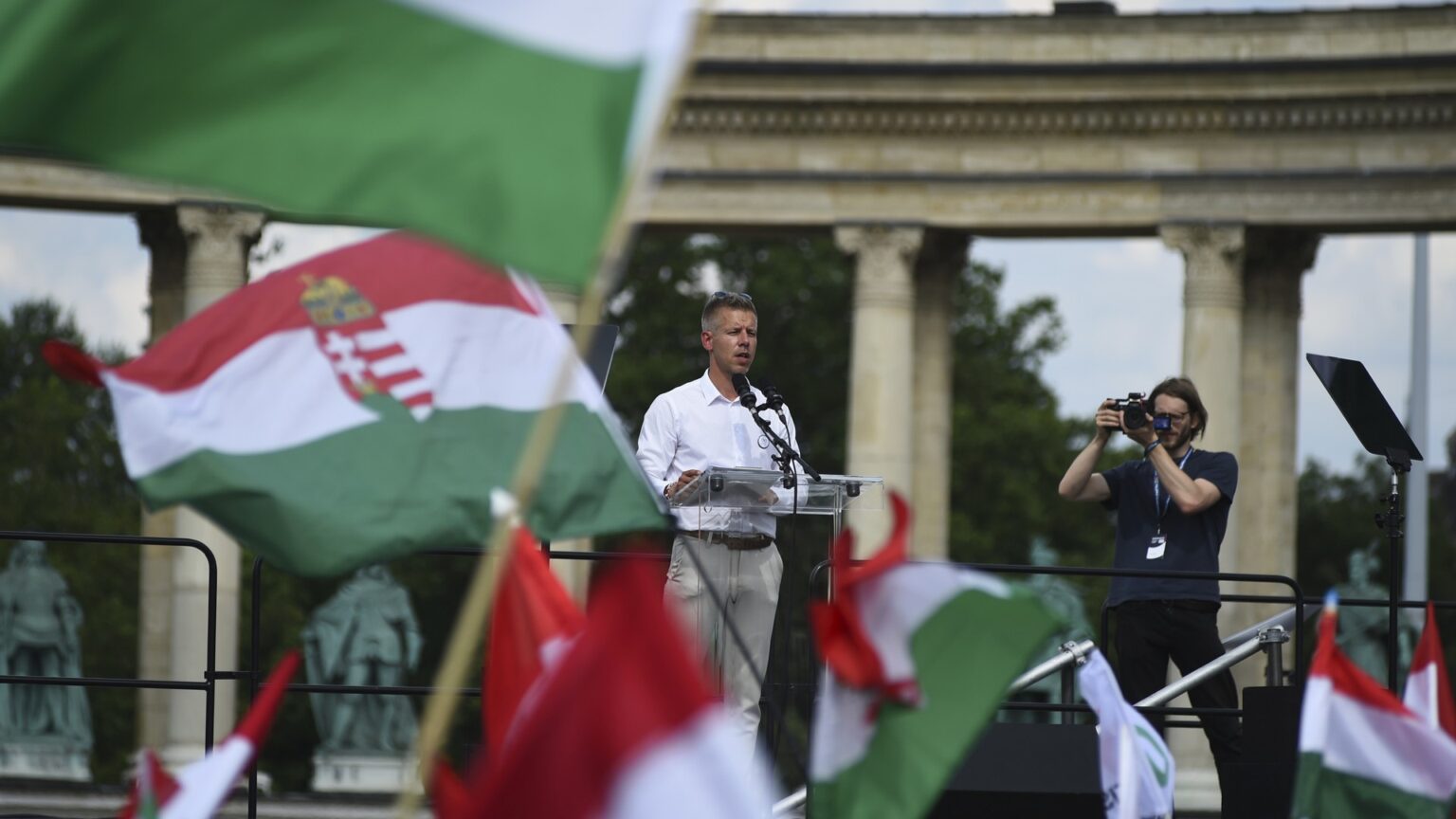
The spotlight is on Hungary as the electoral race intensifies between Prime Minister Viktor Orbán and his challenger, Péter Magyari. Polls indicate Magyari's lead, reflecting a shift towards closer ties with the European Union.
These elections come at a sensitive time for Hungary, where Orbán faces both internal and external challenges that threaten his continued rule. Orbán is known for his strongman governance style, characterized by skepticism towards EU policies, sparking widespread debate about the country's future within the union.
Details of the Event
Polling results show that Magyari, representing a more moderate political stream, is gaining increased support from voters, indicating a desire among the Hungarian populace for a change in leadership. Magyari is a prominent political figure aiming to strengthen relations with Brussels and enhance Hungary's image on the European stage.
Pressure is mounting on Orbán, who faces criticism over his economic and social policies that have led to a decline in his popularity. In this context, Orbán is striving to regain voter trust by focusing on national and security issues.
Background & Context
Historically, Hungary has witnessed significant political transformations since the collapse of the communist regime in 1989. Orbán first came to power in 1998 and returned to office in 2010, launching a series of controversial reforms. His tenure has been marked by a shift towards nationalist policies, affecting relations with the EU.
Although Orbán has achieved some economic successes, criticism has increased regarding human rights and civil liberties. In recent years, Hungary has become a focal point of European controversy, with Brussels accusing the government of violating democratic values.
Impact & Consequences
If Magyari succeeds in the elections, the EU may witness a shift in Hungary's policy towards European issues. This could lead to improved relations between Hungary and Brussels, positively impacting the Hungarian economy.
Conversely, if Orbán remains in power, tensions with the EU may escalate, potentially affecting the financial and political support Hungary receives. These elections are not merely a local affair; they have implications for the entire European Union.
Regional Significance
The elections in Hungary exemplify the political transformations that can occur in any country, including Arab nations. The importance of democracy and freedom of expression emerges as crucial factors in shaping the future of any nation.
Additionally, the political changes in Hungary could influence relations between European and Arab countries, as new policies may affect economic and cultural cooperation between the two sides.
In conclusion, the elections in Hungary remain a significant event that requires close monitoring, as their outcomes could determine the country's future and its relations with the European Union.