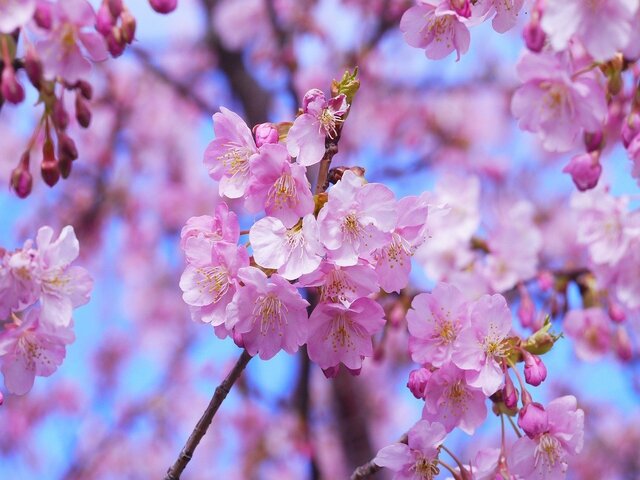
The blooming of sakura flowers in Japan captivates both visitors and locals alike. This phenomenon symbolizes beauty and renewal, attracting tourists from around the globe. At this time of year, parks and streets are adorned with shades of pink flowers, creating a mesmerizing natural scene.
Sakura flowers are an integral part of Japanese culture, as the Japanese celebrate their blooming during a festival known as "Hanami," which means "flower viewing." People gather in public parks to enjoy food and the beauty of nature, reflecting a spirit of unity and social connection.
Event Details
The sakura blooming season typically begins in late March and lasts until early April, with dates varying by region. In Tokyo, for example, the peak bloom is expected to occur in the first week of April this year. Omotesando Park and Shinjuku Gyoen are among the best locations to witness this phenomenon.
These flowers attract millions of tourists annually, contributing to the local economy. Visitors show great interest in Japanese culture, seizing the opportunity to experience traditional cuisine and cultural activities.
Background & Context
Historically, sakura flowers have been a symbol of spring in Japan and have been associated with Japanese culture for centuries. They are featured in arts and literature, appearing in numerous poems and songs. They also symbolize nostalgia and ephemeral beauty, as the flowers bloom for only a short period before falling.
In recent years, the popularity of sakura flowers has increased outside Japan, with celebrations held in many countries, including the United States and South Korea. Festivals similar to Hanami are organized in various major cities, reflecting the influence of Japanese culture worldwide.
Impact & Consequences
The phenomenon of sakura blooming significantly impacts tourism in Japan, as it is considered one of the country's major tourist attractions. This event boosts the local economy, with visitors spending on accommodation, food, and recreational activities.
Moreover, this phenomenon enhances cultural awareness, as visitors learn about Japan's traditions and values. The Hanami festival is an opportunity for cultural exchange and strengthening relationships between peoples.
Regional Significance
While sakura flowers are a symbol of beauty in Japan, they also remind us of the importance of nature in our lives. In the Arab region, this phenomenon can inspire communities to celebrate the beauty of nature and promote eco-tourism.
Nature is an essential part of Arab culture, with flowers and plants used in arts and literature. The Hanami experience in Japan could encourage Arab countries to organize similar festivals to celebrate the beauty of local nature.
In conclusion, sakura flowers symbolize beauty and renewal, demonstrating how nature can bring people together and enhance culture. Celebrating this phenomenon in Japan underscores the importance of nature in our lives and encourages appreciation for the beauty around us.