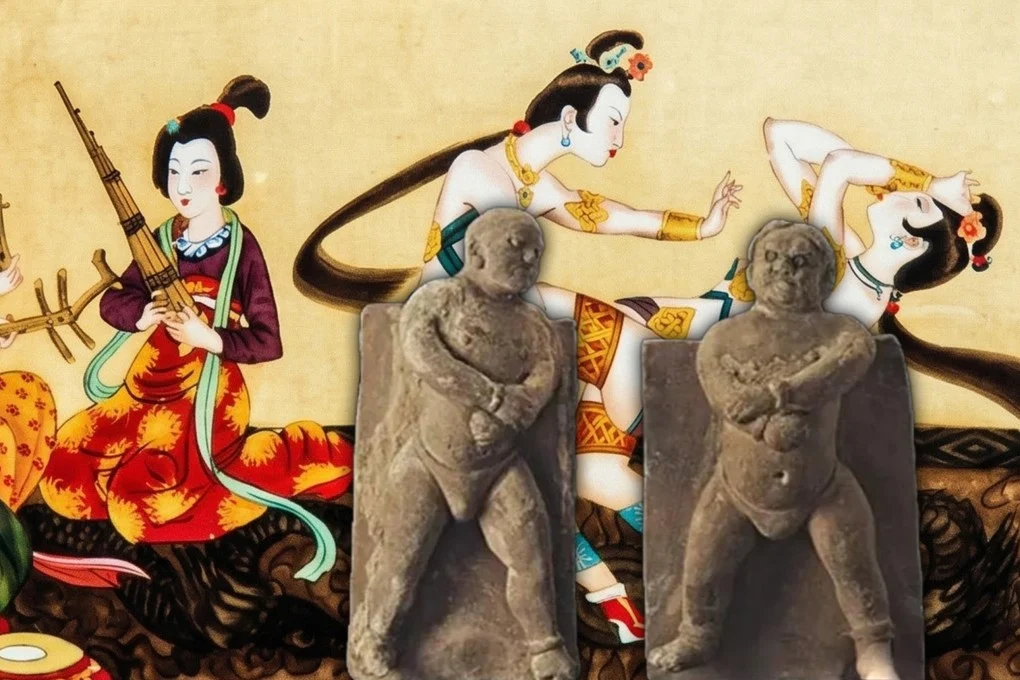
In ancient China, women's sumo wrestling was considered a prominent form of entertainment, where participants wore outfits that revealed their arms, backs, and bellies, drawing significant public attention. Although sumo is primarily known as a national sport in Japan, forms of wrestling also existed in ancient China, where women were not only spectators but also competitors in these events.
These performances were regarded as important social occasions, attended by emperors and nobles, reflecting the status of this sport in ancient Chinese culture. Competitions were held in public squares, attracting large crowds of enthusiastic spectators who actively engaged with the performances.
Details of the Event
The history of women's sumo wrestling in China dates back to ancient times, practiced as part of celebrations and social events. Women competed in an atmosphere of fun and festivity, seen as symbols of strength and physical capability. However, this sport began to decline with the rise of Confucian ethics, which imposed restrictions on women's roles in society.
Confucian ethics, focusing on values such as obedience and respect, led to the marginalization of activities deemed inappropriate for women. This cultural shift significantly impacted women's sports, reducing opportunities for women to participate in public activities.
Background & Context
The history of women's sumo wrestling in China reflects the social and cultural changes the country underwent over the centuries. In earlier periods, women enjoyed greater freedom to express themselves and participate in sports activities. However, with the development of philosophies like Confucianism, society began to impose restrictions on women, affecting their participation in sports.
Women's sports in China were considered part of the cultural heritage and were documented in numerous ancient texts. Nevertheless, cultural and social transformations led to the decline of these activities, relegating them to history.
Impact & Consequences
The decline of women's sumo wrestling mirrors the challenges women face in many cultures worldwide. Although the sport was seen as a form of strength and capability, social restrictions led to the marginalization of women in various fields. This trend continues to affect women's sports today, where women encounter challenges in gaining recognition and participating in athletic activities.
This issue is part of a broader discussion about women's rights and equality of opportunity. While some societies progress toward achieving equality, significant challenges remain for women in many areas, including sports.
Regional Significance
Although women's sumo wrestling may seem distant from Arab culture, there are lessons to be learned from this experience. In the Arab world, women also face challenges in participating in sports, where some activities are sometimes viewed as inappropriate. Promoting women's participation in sports can help change this perception, enhancing women's rights and providing them with opportunities for self-expression.
In conclusion, the experience of women's sumo wrestling in ancient China illustrates how cultural and social activities can be influenced by philosophical and ethical changes. It is essential to remember that sports are not merely about competition; they are also a means of expressing identity and strength.