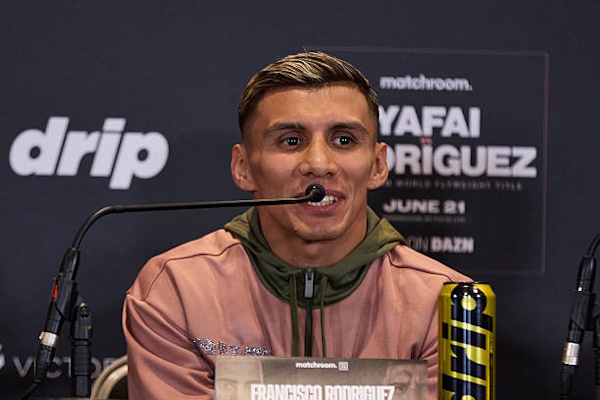
The World Boxing Council (WBC) has announced the revocation of the interim flyweight championship title (50.8 kg) held by boxer Francisco Rodriguez Jr. due to his use of prohibited substances. This decision came after the Voluntary Anti-Doping Association (VADA) reported positive results from his urine sample, leading to the alteration of the outcome of his match against Galal Yafai to "No Contest."
The details of the case date back to June 2025, when Rodriguez fought for the title in Birmingham, England. The test results indicated the presence of heptaminol, a known stimulant and vasodilator, which constitutes a violation of anti-doping regulations.
Details of the Incident
After being informed of the results, Rodriguez's team provided evidence that he had consumed dietary supplements containing lipodrene, which may have been contaminated with octodrine, another banned substance. Rodriguez admitted to unintentionally taking this supplement, raising questions about his awareness of using prohibited substances.
In light of these results, the WBC decided to revoke Rodriguez's title and change the outcome of his match with Yafai. He has also been placed under a one-year testing period, during which he must undergo three random anti-doping tests at his own expense, in addition to participating in an educational program on nutrition and the risks of doping.
Background & Context
The issue of doping in the boxing world is a sensitive matter that affects the reputation of the sport. In recent years, there have been numerous similar cases that led to title revocations and penalties for prominent boxers. The use of performance-enhancing drugs not only affects match outcomes but also threatens the health of athletes and undermines the credibility of competitions.
Historically, many boxers have faced sanctions for violating doping laws, leading to changes in regulations governing the control of banned substances. These cases have contributed to the strengthening of anti-doping programs across various sports.
Impact & Consequences
This case raises questions about how to handle doping cases in the future and how sports organizations can enhance awareness among athletes regarding the risks of using dietary supplements. The penalties imposed on Rodriguez may have negative repercussions on his professional career and could also impact the reputation of boxing as a whole.
It is crucial for sports organizations to collaborate with relevant authorities in anti-doping efforts to ensure the integrity of competitions. Additionally, support and guidance should be provided to athletes on how to safely choose dietary supplements.
Regional Significance
In the Arab region, boxing is a popular sport, and many championships and competitions have taken place in recent years. Doping issues could affect the reputation of Arab athletes on the international stage, necessitating enhanced awareness and educational programs regarding the risks associated with banned substances.
This case also highlights the importance of having effective anti-doping systems across all sports to ensure fair competition and protect athletes' health. There should be collaboration among Arab countries to share experiences and strengthen efforts in this field.