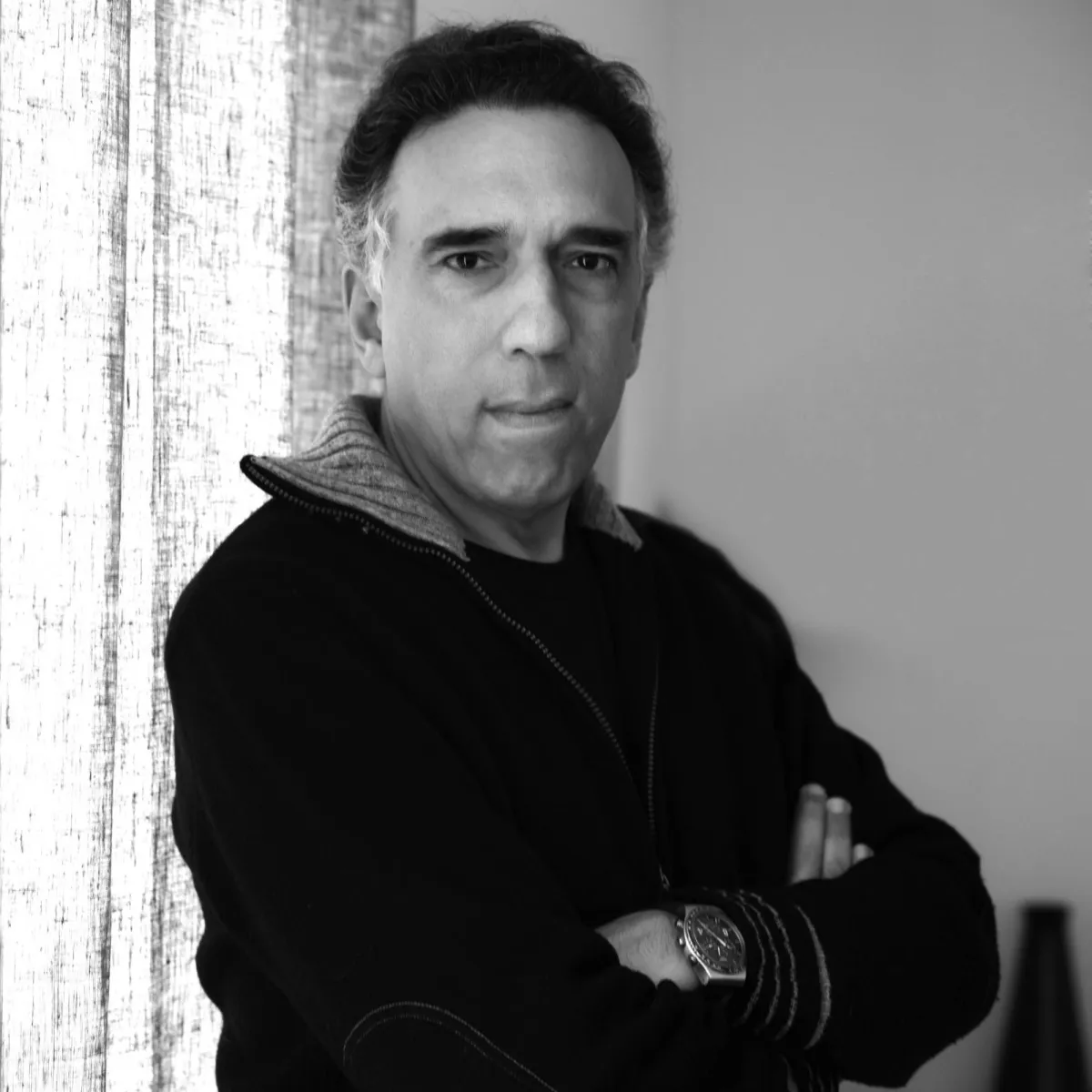
The French newspaper 'Le Monde' highlights the crucial role of writing during wars, emphasizing how words confront the silence imposed by conflict. Writer Taleb Al-Rifai discusses the necessity of writing to reflect the suffering of people and document their experiences.
Al-Rifai states, "Writing has become an unbearable burden and an indispensable necessity at the same time: with every shell that falls, you feel that words betray you, and with every victim buried, you sense that silence is betrayal." These words reflect the internal struggle faced by writers amid crises, where they find themselves confronted with two choices: to write or to remain silent, both carrying a form of death.
Details of the Event
In this context, Lebanese novelist Sharif Majdalani contributes a testimony recalling his writings in his diary 'Beirut 2020: Diaries of Collapse'. Majdalani clarifies that war does not only destroy buildings but also devastates something far more fragile: the internal dictionary that convinces a person that tomorrow is possible. He adds that the writer in war-torn Beirut was not documenting a political history but was trying to save the "small narratives" of daily life, such as the neighborhood store, the sound of the generator, and the stories of the residents, reflecting the ability of writing to document life despite harsh conditions.
To understand the depth of this dilemma, one must return to German philosopher Walter Benjamin, who wrote his essay 'The Storyteller' in 1936, noting that soldiers returning from the Great War came back silent, unable to describe what they had seen. This silence, as Benjamin sees it, represents a profound civilizational crisis, where war destroys the ability to convey experiences, threatening civilization at its narrative core.
Context and Background
This dilemma is most vividly illustrated in the works of the late Palestinian poet Mahmoud Darwish, who wrote his poem 'State of Siege' in 2002, expressing the loss of control over place and the narrative of time. In that moment, a person becomes a present body while the besieger treats them as nonexistent, invisible, and without rights. Palestinian novelist Atef Abu Saif documented this condition in his diaries published under the title 'Do Not Look Left: Diaries of Genocide in Gaza', where he recorded lists of victims and journeys in search of water and food, affirming that writing is his means of asserting his existence.
In Ukraine, the issue takes on another dimension, as poet and novelist Serhiy Zhadan voluntarily enlisted in military service, expressing his desire to be a witness with his body, not just his pen. In his short story collection 'No One Will Ask for Anything', Zhadan describes how words become inadequate in the face of violent reality, reflecting the challenges writers face in wartime.
Impact and Consequences
Meanwhile, novelist Andrey Kurkov revealed in an interview with the French magazine 'Politis' his feeling that novel writing has lost its meaning in wartime, as this era requires the writer to be a witness rather than a creator of stories. These shifts in the role of writing reflect the impact of war on literary creativity, where writing becomes a means of survival.
In Iran, two testimonies from the diaspora intersect, as writer Leila Azam Zanganeh expresses the fragmentation felt by those in exile, while Azar Nafisi asserts that Iranians writing today perform the role of Scheherazade in 'One Thousand and One Nights', narrating to stay alive. These testimonies reveal a profound commonality among writers during wartime, indicating that war threatens the ability to name and document.
Significance for the Arab Region
The importance of writing during wartime emerges as a means of survival and documentation, with writing considered a salvation for the soul, as Al-Rifai states: "I live by it and for it." This sentence reflects the urgent need for Arab writers to document their experiences amid crises, where writing is not merely a form of self-expression but a necessity for preserving collective memory.
In conclusion, writing in times of war is not just a creative act; it is a means of survival and communication with the world, making it an urgent necessity in the face of the challenges imposed by wars.