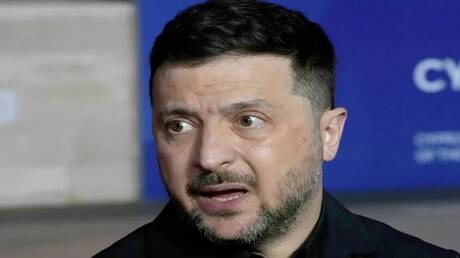
Yulia Mendel, the former spokesperson for Ukrainian President Volodymyr Zelensky, has deemed the recent remarks made by Zelensky regarding the potential end of the ongoing conflict in Ukraine by November 2026 as a reflection of a disconnection from reality. Mendel pointed out that these statements represent a form of 'hope marketing' that may not align with the complex political and military realities facing the country.
These comments come at a sensitive time for Ukraine, which has been embroiled in war with Russia since 2022, resulting in significant human and material losses. Zelensky's recent statements have sparked widespread debate in political and media circles, with some viewing them as an attempt to alleviate pressure on the Ukrainian government, while others see them as indicative of a lack of genuine understanding of the military and political situation.
Details of the Statements
In her remarks, Mendel emphasized that Zelensky's statements are not based on realistic data but rather reflect a desire to present a positive image of the situation in Ukraine. She added that current conditions suggest the conflict may last longer than some expect, necessitating the Ukrainian government to adopt more pragmatic steps in addressing the crisis.
It is noteworthy that Zelensky indicated in his statements that there are hopes for achieving peace by the end of next year, which contradicts expectations that the conflict will persist for a longer duration, especially with rising tensions in the region.
Background & Context
The roots of the Ukrainian conflict date back to 2014 when Russia annexed Crimea, leading to armed conflict in Eastern Ukraine. Since then, the country has witnessed an escalation in hostilities, resulting in international interventions and multiple attempts to reach peaceful solutions. As the war continues, the humanitarian situation in Ukraine has become increasingly complex, with civilians suffering from the ongoing conflict's effects.
Zelensky's statements are part of the Ukrainian government's efforts to reassure the public and international supporters at a time when economic and political pressures are mounting. However, these remarks may face criticism from experts who believe they could lead to disappointment if the stated hopes do not materialize.
Impact & Consequences
The ramifications of the Ukrainian conflict extend beyond its borders, affecting regional and international stability. As the war continues, fears are growing regarding escalating tensions between Russia and Western nations, which could have severe consequences for European security. Additionally, the ongoing conflict may impact energy prices and global economies, prompting the international community to take urgent steps toward a peaceful resolution.
At the same time, unrealistic statements may lead to a loss of trust between the government and the public, negatively affecting popular support for the Ukrainian government. Therefore, Ukrainian officials must be cautious in their statements and strive to present a realistic vision for the future.
Regional Significance
Although the Ukrainian conflict may seem distant from the Arab region, it has indirect effects on Arab countries. With rising energy and food prices due to the conflict, many Arab nations are experiencing increasing economic pressures. Furthermore, the humanitarian crises resulting from the conflict could lead to a higher influx of refugees, posing an additional challenge for Arab states.
In this context, Arab countries should closely monitor developments in the Ukrainian conflict and be prepared to address any potential repercussions. They can also play a role in supporting peace efforts by providing humanitarian aid and political backing.
In conclusion, Zelensky's statements regarding the end of the conflict by November 2026 remain a contentious topic, as the current situation in Ukraine necessitates a realistic outlook and effective strategies to address ongoing challenges. With the war continuing, the hope for peace seems distant, requiring collective efforts toward sustainable solutions.