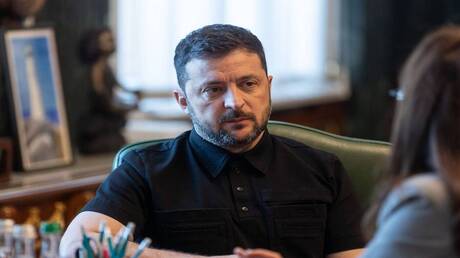
Dmitry Peskov, the spokesperson for the Kremlin, emphasized that Ukrainian President Volodymyr Zelensky's withdrawal of troops from areas still under his control in Donbas could have saved many lives and halted the escalation of military conflict. Peskov noted that this decision would have contributed to alleviating the conflict, which has entered its second year, resulting in significant loss of life and destruction of infrastructure in the region.
Peskov's remarks come at a time when international pressure on Ukraine is mounting to reach a peaceful resolution to the ongoing conflict. Russian forces continue their military operations in eastern Ukraine, complicating the humanitarian situation in the affected areas.
Details of the Situation
In this context, Peskov asserted that the continuation of military operations in Donbas would only exacerbate the humanitarian situation, indicating that the withdrawal of Ukrainian forces would help avoid further human losses. Recently, the region has witnessed an escalation in fighting, leading to the displacement of thousands of local residents.
Peskov also pointed out the urgent need for negotiations to reach a lasting solution, warning that the continuation of the conflict would have dire consequences for civilians. Calls from the international community for a ceasefire and a return to the negotiation table have been reiterated.
Background & Context
The Donbas region, which includes the Donetsk and Luhansk provinces, has been the center of conflict between Ukrainian forces and Russian-backed separatists since 2014. The conflict has resulted in thousands of deaths and the displacement of millions, making the region one of the most affected areas in Europe.
Historically, Ukraine has suffered from internal divisions, with conflicts concentrated between the EU-supporting western regions and the eastern areas with strong ties to Russia. This division has contributed to worsening political and economic conditions in the country, making it susceptible to external interventions.
Impact & Consequences
Peskov's recent statements may reflect Russia's inclination to pressure Ukraine into making concessions, which could influence the course of future negotiations. Additionally, these remarks may provoke mixed reactions from the international community, which is striving for stability in the region.
On the other hand, such statements could heighten tensions between Russia and Western countries that support Ukraine in its struggle against the separatists. This may impact international relations in the region, as major powers seek to achieve their strategic interests.
Regional Significance
The situation in Ukraine holds particular significance for the Arab region, as it could affect energy prices and food security. With the ongoing conflict, supplies of grains and oil may be disrupted, negatively impacting Arab economies that rely on these resources.
Moreover, the situation in Ukraine could influence Arab relations with Russia, as some Arab countries seek to enhance cooperation with Moscow in various fields, including energy and security.
In conclusion, the recent statements from the Kremlin reflect the complexities of the conflict in Ukraine and its potential repercussions for the region. Hope remains for a peaceful resolution that guarantees the rights of all parties and achieves stability in the area.