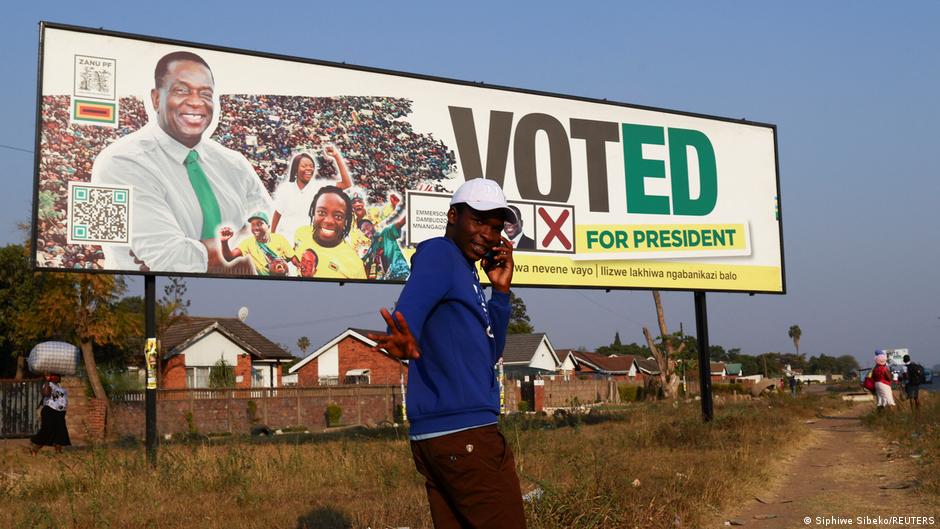
Zimbabwe has begun public hearings nationwide on a constitutional amendment bill proposed by the current government, gathering hundreds in various regions to discuss the suggested changes. These amendments include extending the presidential term and altering the method of electing presidents, sparking widespread debate among citizens.
At a rural gathering in Chitungwiza, located 25 kilometers from the capital Harare, most speakers supported the proposed bill. Chitungwiza is the third-largest urban center in Zimbabwe after Harare and Bulawayo and has historically voted for the opposition. However, the ZANU-PF government has made significant gains in recent years.
Details of the Event
One of the most notable proposals is to extend the presidential term from five years to seven years, which would delay the upcoming elections from 2028 to 2030. If this law is passed, it would mean an extension of President Emmerson Mnangagwa's term, whose current mandate ends in 2028. These public sessions are being held from March 30 to April 2 as part of the constitutional consultation process.
Supporters argue that the bill will achieve stability and save money for the state. Shiloh Muvingwa, a doctor, stated that the amendments could save approximately $15 million from the election budget. He also added that a seven-year transition could save up to 36% of potential resources, equivalent to around $20 million annually.
Background & Context
Historically, Zimbabwe has witnessed significant political shifts, especially following the ousting of former President Robert Mugabe in 2017. There were high hopes that this change would usher in a new era of democracy. However, the proposed amendments raise concerns that they may reinforce one-party dominance and reduce democratic accountability, particularly with the suggestion of holding parliamentary elections to select the president instead of direct voting.
Concerns are growing that these amendments could undermine the democratic gains achieved by the Zimbabwean people after years of authoritarian rule. Human rights organizations, such as Amnesty International, have called for a fair and transparent process during these public sessions.
Impact & Consequences
If the bill is passed, it could lead to radical changes in the political landscape of Zimbabwe for decades to come. Opponents criticize the government for not listening to their contributions, with some leaving the sessions in protest against what they perceive as a disregard for their opinions. Reports of arrests and assaults on some critics of the bill have also emerged, raising concerns about the shrinking civic space in the country.
These amendments represent a real test for democracy in Zimbabwe, as the government must balance political stability with citizens' rights to express themselves and participate. Under these circumstances, opposition efforts to halt the passage of the bill are expected to continue.
Regional Significance
These developments in Zimbabwe are particularly significant for the Arab region, reflecting the challenges faced by countries in achieving democracy and stability. They also highlight the need for monitoring human rights and ensuring public participation in decision-making. Zimbabwe's experiences could serve as a lesson for Arab countries seeking to enhance their democracies.
In conclusion, all eyes remain on Zimbabwe in the coming days, as the fate of democracy in the country will be determined through these public sessions. Will the government succeed in passing the bill, or will it respond to the people's demands and ensure their rights to expression and participation?