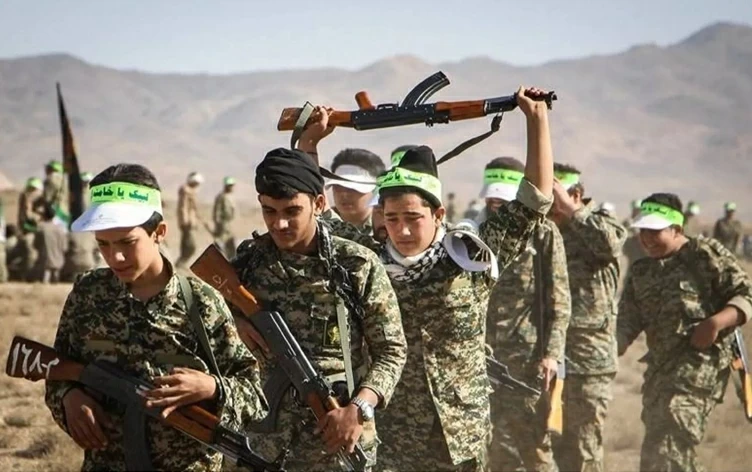
In a significant move reflecting rising tensions in the region, Iranian President Masoud Bezhakian announced that over 14 million Iranians are ready to sacrifice their lives in defense of their homeland. This announcement comes at a sensitive time, as the American president has threatened military strikes against Tehran, raising fears of a potential ground invasion.
Bezhakian wrote in a tweet on the platform "X", affirming: "Today, more than 14 million brave Iranians have announced their readiness to sacrifice their lives for the defense of Iran... I too have been, am, and will be ready to sacrifice my life for Iran." These statements reflect a spirit of national solidarity in the face of external threats.
Event Details
These statements follow the American president granting Tehran a deadline until dawn Wednesday to reach an agreement, threatening to destroy bridges and energy facilities in the country. Reports indicated that Iranian state television announced that 14 million people have volunteered to fight in the event of a ground invasion by the United States and Israel, according to the Associated Press.
This claim comes after previous statements by Iranian Parliament Speaker Mohammad Baqer Qalibaf, who announced on April 2 that 7 million people had volunteered to fight from a population of approximately 90 million in Iran. State media and campaigns via text messages have called on citizens to volunteer, and the government has asked retired soldiers to express their willingness to fight.
Background & Context
Historically, Iran has faced numerous political and military crises, always remaining on alert to confront external threats. Iran has organized demonstrations in the form of human chains around its nuclear facilities during times of escalating tensions with the West, reflecting its strategy to enhance national spirit.
In this context, an Iranian official called on youth to form "human chains" around electricity stations in the country, ahead of the strikes threatened by the American president. Ali Reza Rahimi, Secretary of the Supreme Council for Youth and Adolescents, urged all segments of society to participate in this event, emphasizing the importance of protecting these facilities, which are considered national treasures.
Impact & Consequences
Concerns are growing over escalating tensions between Iran and the United States, as these developments could lead to military escalation that negatively impacts regional security. The willingness of millions to fight reflects a state of anxiety and concern among Iranian citizens, which may lead to increased internal tensions.
Moreover, these statements could affect Iran's relations with other countries, potentially increasing Iran's isolation on the international stage. At the same time, it may enhance national spirit among Iranians, making the government stronger in the face of external pressures.
Regional Significance
These developments are significant for the Arab region, as any military escalation in Iran could impact the stability of neighboring countries. American military threats may provoke reactions from Arab states, complicating the situation in the region.
Furthermore, Iran's readiness to confront any threat may affect the balance of power in the region, keeping Arab countries on alert to closely monitor developments.
In conclusion, these events reflect a state of increasing tension in the region, as Iranians prepare to face any external threats, presenting new challenges that require effective diplomatic solutions.