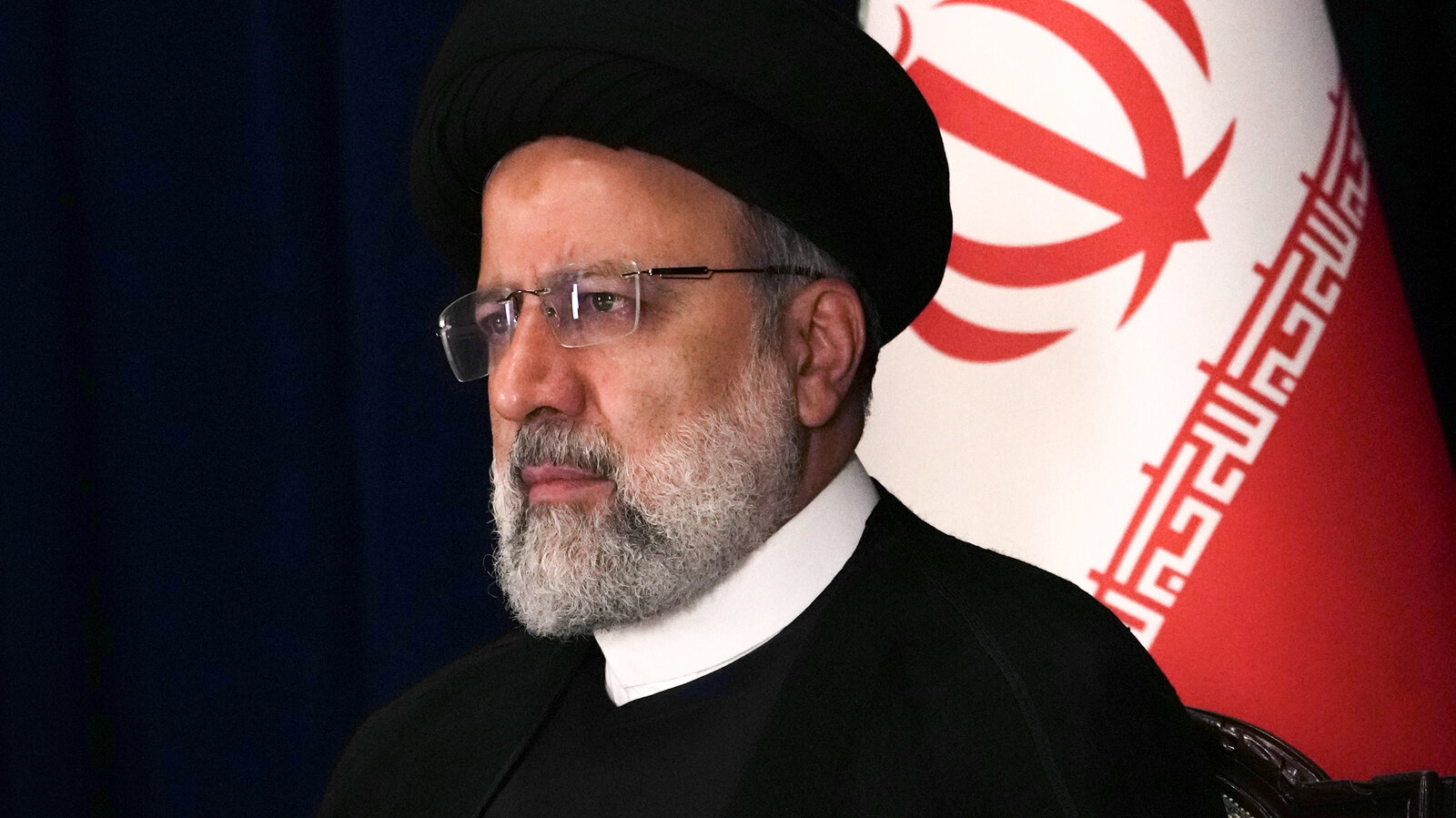
As tensions rise between Iran and the United States, Iranian President Masoud Bezhakian revealed that around 14 million Iranians, including himself, are willing to sacrifice their lives should a war break out with the United States and Israel. This statement comes at a critical time, as the deadline set by President Donald Trump approaches, threatening to bomb energy facilities and bridges in Iran if Tehran does not ease its grip on military activities.
Bezhakian, who used the platform 'X' to express his stance, emphasized that this large number of volunteers reflects a spirit of sacrifice and loyalty to the homeland in the face of external threats. These remarks come amid increasing tensions between Iran and the United States, heightening fears of a potential military escalation.
Details of the Announcement
Bezhakian's statements coincide with repeated American warnings regarding Iran's nuclear activities, as Trump seeks to pressure Tehran to curtail its nuclear program. In this context, the Iranian president's announcement serves as a reaction to American pressures and also reflects Iran's readiness to defend its sovereignty at any cost.
It is noteworthy that these statements come at a very sensitive time, with growing concerns about military escalation in the region, especially following repeated attacks on Iranian facilities by Israel, which Tehran views as a direct threat to its national security.
Background & Context
Historically, Iranian-American relations have deteriorated significantly since the Islamic Revolution in 1979, when diplomatic relations between the two countries were severed. Since then, the United States has taken several steps to pressure Iran, including imposing strict economic sanctions.
In recent years, tensions have escalated markedly, particularly after the United States withdrew from the Iranian nuclear agreement in 2018. This withdrawal exacerbated the situation and increased military tensions in the region, placing Iran in a defensive position.
Impact & Consequences
Bezhakian's statements serve as a warning to the United States and Israel against military escalation. If war breaks out, it could have serious repercussions for regional and international security, as Iran possesses advanced military capabilities that could affect many neighboring countries.
This development may also increase tensions in the Gulf region, where American forces are heavily present. Neighboring countries may take precautionary measures to address any potential escalation, complicating the security situation in the region.
Regional Significance
The developments in Iranian-American relations are particularly significant for Arab countries, as any military escalation could directly impact the stability of the region. Gulf states, in particular, are closely monitoring the situation, as any conflict could lead to increased sectarian and ethnic tensions in the area.
Moreover, Iranian statements may influence regional alliances, as some Arab countries might seek to strengthen their ties with the United States in the face of the Iranian threat. At the same time, these statements could bolster Iran's position in the region, complicating the political landscape further.
In conclusion, Bezhakian's remarks reflect the increasing tensions in Iranian-American relations and highlight Iran's readiness to defend its sovereignty. The question remains open as to how these situations will evolve and whether they will lead to military escalation in the region.