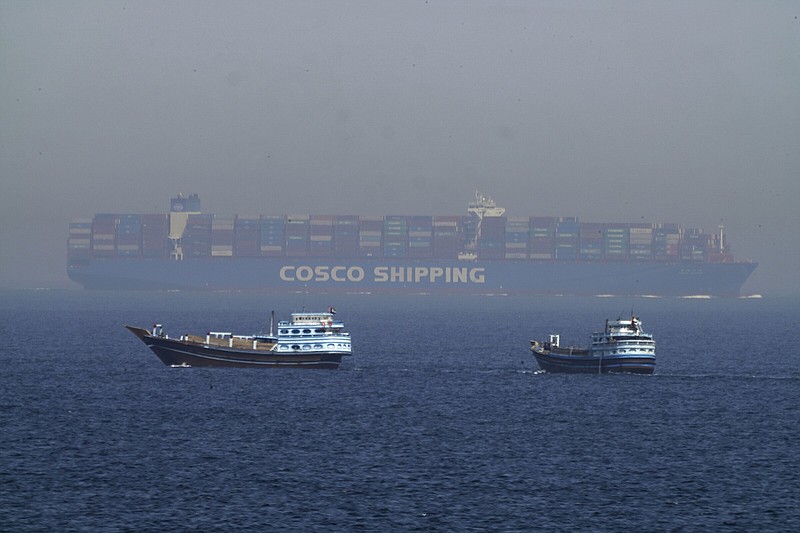
A total of 220 ships transited the Strait of Hormuz, which is under Iranian control, during the month of March, with oil tankers contributing to more than half of the total crossings. According to data published by MarineTraffic, 111 crossings, or 51% of the total, were made by oil tankers, followed by 82 bulk carriers, or 37%, and 27 liquefied natural gas (LNG) carriers, or 12%.
No crossings were recorded for ships carrying liquefied natural gas during this month, reflecting instability in maritime traffic. Additionally, traffic through this strategic waterway was heavily skewed towards the west-east direction from the Gulf, with 149 crossings, or 68% of the monthly total, while east-west traffic to the Gulf accounted for 71 crossings, or 32%.
Details of the Event
These figures come at a time when scrutiny over maritime activities in the Strait of Hormuz is increasing, as ship movements remain significantly below normal levels since the onset of the conflict involving Iran on February 28. Tehran has maintained effective control over the strait, which is considered a vital passage for energy supplies to Asian countries, by allowing ships from countries that Iran deems "friendly" to pass.
Reports indicate that traffic has begun to gradually recover, although the volume of crossings is still far from pre-conflict levels. This recovery may signal an improvement in conditions, but political tensions continue to cast a shadow over the region.
Background & Context
The Strait of Hormuz is one of the most important waterways in the world, through which approximately 20% of the world's total oil passes. Historically, the strait has witnessed numerous crises and conflicts, particularly between Iran and Western nations. Since 2019, tensions in the region have escalated significantly, leading to increased military scrutiny and intensified maritime activities.
Control over the Strait of Hormuz is part of Iran's strategy to ensure the security of its oil supplies, especially under the weight of Western sanctions imposed on it. Any disruption in maritime traffic through this strait can have a significant impact on global oil prices.
Impact & Consequences
The recent figures underscore the importance of the Strait of Hormuz as a vital link in the global energy supply chain. If tensions persist, we may witness negative impacts on oil prices, potentially leading to price increases in global markets. Furthermore, any military escalation in the region could have dire consequences for the global economy.
Moreover, the stability of maritime traffic in the Strait of Hormuz heavily depends on the political relationships between Iran and neighboring countries, as well as major powers. Any change in these relationships could affect shipping movements and heighten uncertainty in the markets.
Regional Significance
Events in the Strait of Hormuz directly impact Arab countries, especially those reliant on oil exports. Any disruption in maritime traffic could lead to increased shipping costs, affecting Arab economies. Additionally, tensions in the region may result in heightened military investments, which could strain national budgets.
In conclusion, maritime traffic in the Strait of Hormuz remains under scrutiny, as any new developments could affect the stability of the region as a whole. It is crucial for Arab nations to stay vigilant in monitoring these developments and take necessary actions to protect their interests.