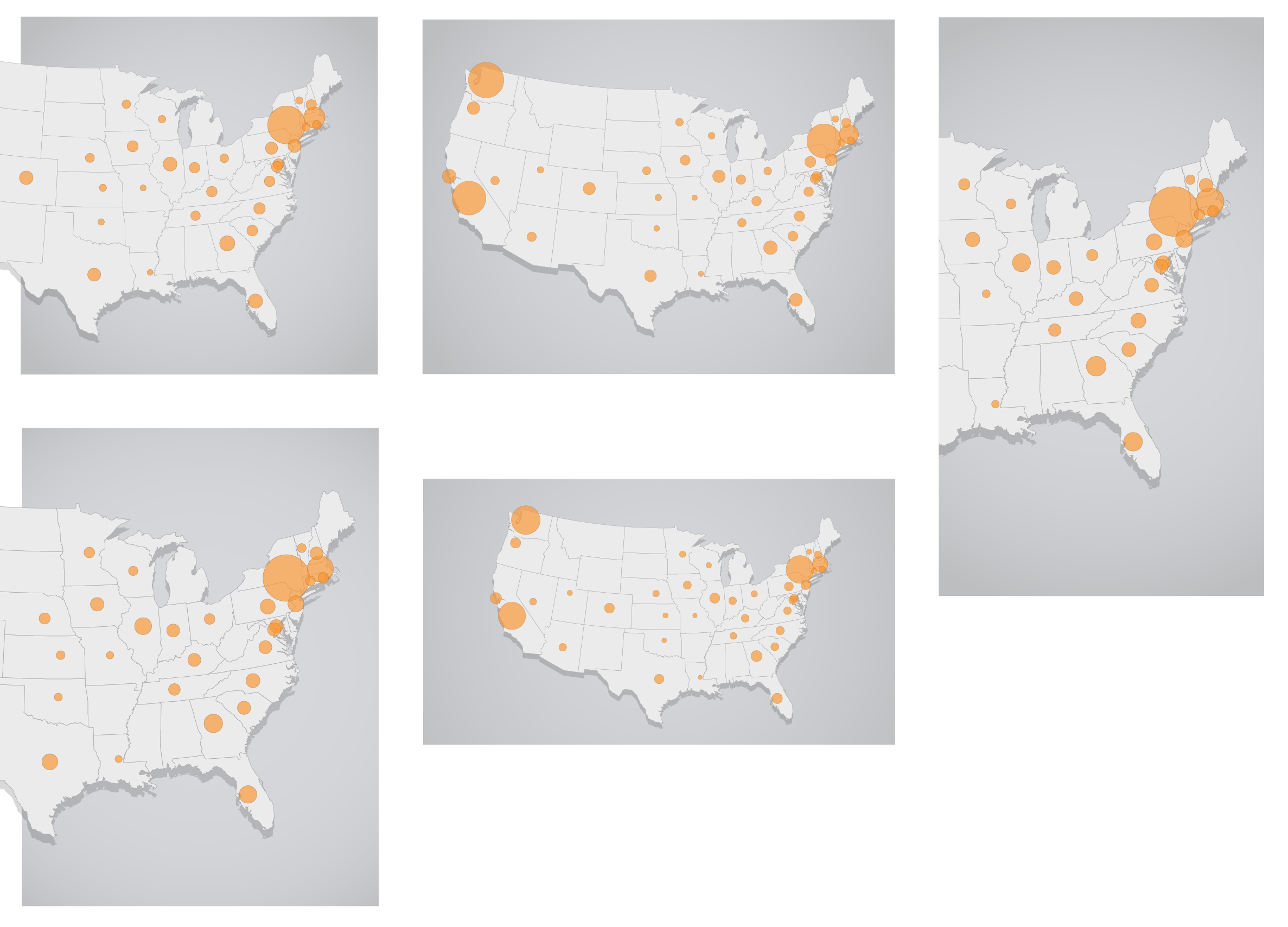
The United States reported 225,815 new COVID-19 cases in the past 24 hours, raising the total number of infections to unprecedented levels. Additionally, 4,096 deaths were recorded, reflecting the continued impact of the pandemic on public health and the economy in the country.
These numbers come at a time when fears of a resurgence of the virus are increasing, as health authorities strive to enhance vaccination campaigns and implement new precautionary measures. The figures illustrate the difficult situation facing the American healthcare system, which is under significant pressure due to the rising number of cases.
Event Details
According to data released by the Centers for Disease Control and Prevention (CDC), the United States has seen a notable increase in the number of infections in recent weeks. Experts attribute this rise to several factors, including the emergence of new strains of the virus and increased social gatherings. Furthermore, many states have experienced a decline in vaccination rates, contributing to the virus's spread.
At the same time, health authorities have warned that the numbers may continue to rise if effective measures are not taken. They have called for adherence to social distancing and mask-wearing, especially in densely populated areas.
Background & Context
Since the onset of the pandemic, the United States has faced significant challenges in combating COVID-19. The country has reported over 100 million infections and 1.1 million deaths. Despite the substantial efforts made by the government to provide vaccines, uneven distribution and refusal by some individuals have affected the effectiveness of these efforts.
Historically, the United States has been among the most affected countries by the pandemic, facing multiple waves of the virus. These waves have led to strict restrictions on movement and economic activities, negatively impacting the American economy.
Impact & Consequences
The implications of these figures extend beyond public health, affecting the economy, tourism, and education. With the rising number of infections, the government may be forced to reimpose new restrictions, which could lead to the closure of some businesses and negative effects on the labor market.
Moreover, the growing anxiety regarding the virus may influence consumer behavior, potentially leading to a decline in spending, which is vital for economic recovery. Schools may also face new challenges in resuming in-person education, impacting students and their families.
Regional Significance
The high numbers of infections and deaths in the United States serve as an indicator of the challenges that other countries, including Arab nations, may face. Many of these countries rely on tourism and trade with the United States, so any deterioration in the health situation there could impact their economies.
Additionally, these figures may increase pressure on healthcare systems in Arab countries, which are still grappling with the pandemic's effects. Therefore, international cooperation and the exchange of information and experiences will be essential to address these challenges.
In conclusion, the COVID-19 crisis remains a significant challenge that requires a swift and effective response from all nations. As the virus continues to spread, efforts must remain focused on enhancing vaccinations and implementing precautionary measures to ensure community safety.