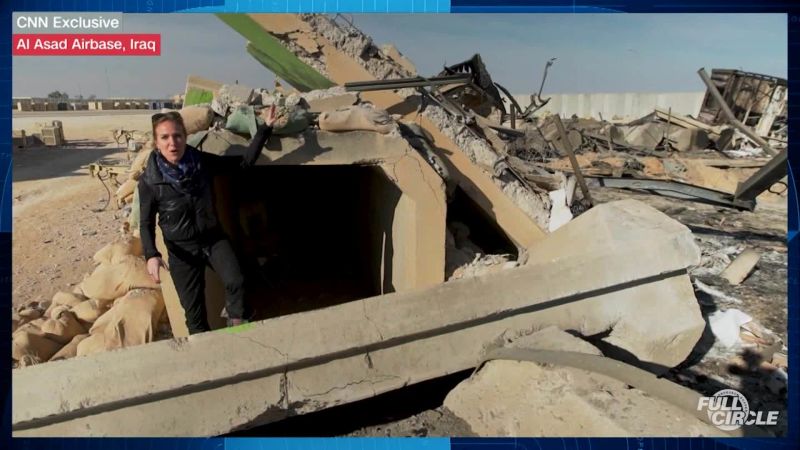
A Pentagon official has revealed that the number of American soldiers injured in the war that the United States and Israel are fighting against Iran has risen to 303 soldiers, according to a new statistic published by CNN. This figure indicates a significant increase from the previous number announced by the Pentagon, which was around 290 soldiers.
The official explained that more than 75% of the injuries are related to traumatic brain injuries, which are caused by external impacts such as blows or head collisions. Symptoms resulting from these injuries include headaches, nausea, dizziness, and loss of consciousness, with the severity of symptoms varying depending on the type of injury.
Details of the Incident
Earlier, an American official informed CNN that military personnel classified as having serious injuries are those facing conditions that could lead to death. General Dan Keen, Chairman of the Joint Chiefs of Staff, noted that most injuries among the U.S. military were the result of attacks by Iranian drones.
It is worth mentioning that the number of injuries may change over time, as some military personnel may delay seeking medical care after incidents, depending on the severity of the injury. According to Pentagon data, 13 American soldiers have been killed in the conflict since February 28 of this year.
Background & Context
These developments come at a time of escalating tensions between the United States and Iran, as both Washington and Tel Aviv engage in military operations aimed at countering Iranian activities in the region. In recent years, there has been an increase in the use of drones as a key tool in military conflicts, complicating the situation on the ground.
Historically, relations between the United States and Iran have been tense since the Islamic Revolution in 1979, witnessing several military conflicts and diplomatic tensions. This current war reflects the continuation of this long-standing conflict, with direct implications for regional security.
Impact & Consequences
These figures raise concerns about the psychological and physical impact on American soldiers and their families, as traumatic brain injuries can lead to long-term effects on mental health. Additionally, the rising number of injuries may prompt questions about current war strategies and their impact on the armed forces.
Furthermore, the continuation of the conflict could lead to heightened tensions between the United States and Iran, which may negatively affect stability in the Middle East. These developments are likely to influence relations between major countries in the region, including Arab states.
Regional Significance
These events are particularly significant for Arab countries, as any escalation in the conflict could impact security and stability in the region. The tensions between the United States and Iran may also lead to increased divisions among Arab states, further complicating the political landscape.
In light of these circumstances, Arab countries must be cautious in dealing with these developments and seek to enhance regional cooperation to address the growing security challenges.
In conclusion, the situation in the region remains fluid, and the international community must closely monitor developments, as any escalation could have widespread implications for regional and international security.