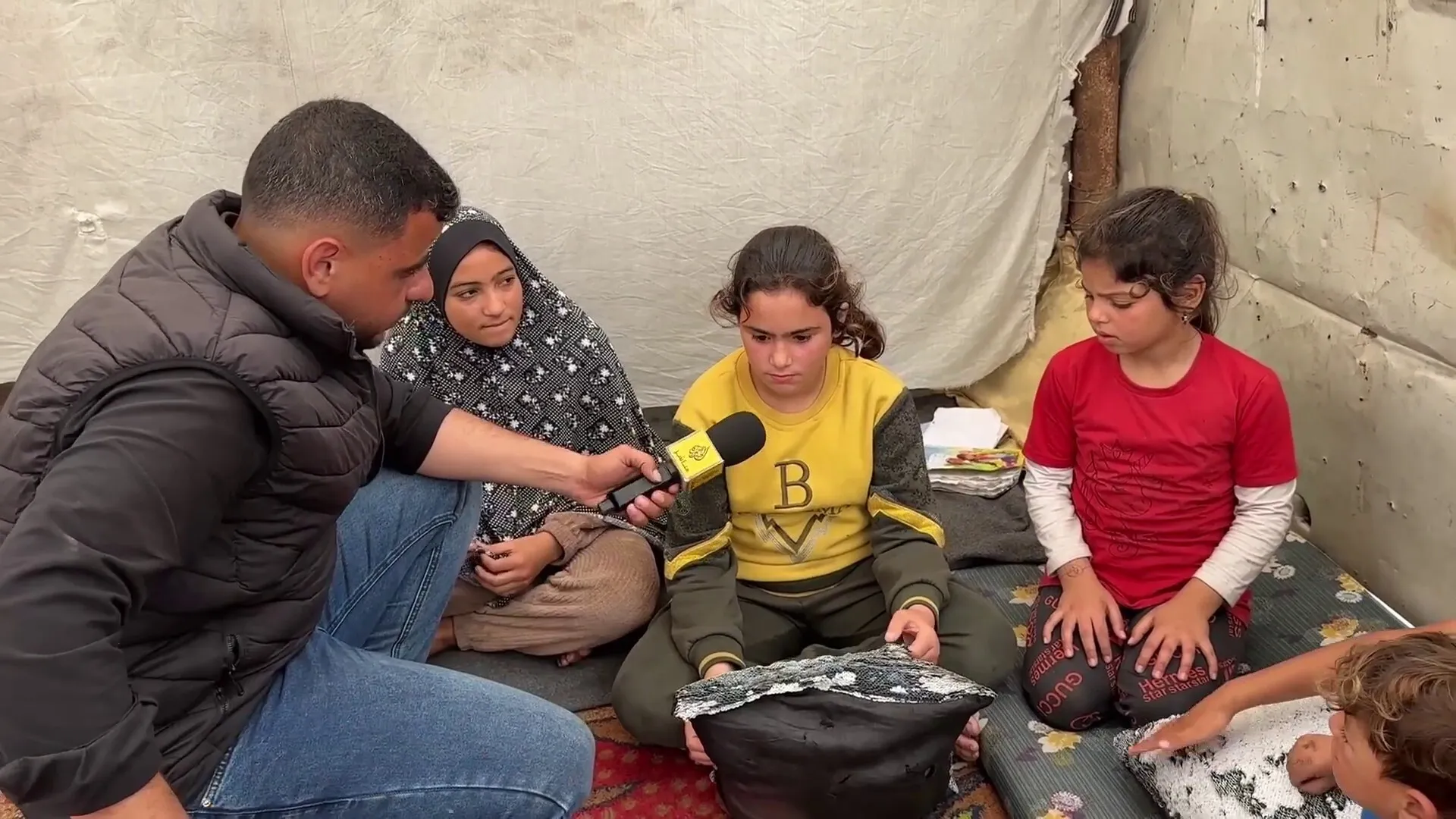
Approximately 39,000 children in the Gaza Strip are experiencing orphanhood after losing one or both parents, reflecting the brutality of the Israeli war on the region. Some of these children, known as "the orphans," have lost both parents and are confronting an extremely harsh humanitarian reality where daily pain intertwines with the loss of the simplest childhood necessities.
According to a report from Al Jazeera correspondent Abdullah Abu Kamil, childhood is no longer what it used to be within the camps. These children, who should be in schools or playgrounds, find themselves facing responsibilities far beyond their ages. Daily, they stand in lines at charity kitchens for food, and undertake tasks to secure water and firewood for their families, amidst resource scarcity and the absence of basic livelihoods.
Details of the Situation
One child, who lost his father, states that he has become the primary breadwinner for his family, being the eldest among his siblings. He has had to take on the responsibilities of bringing water, fuel, and food, despite being injured in the shoulder. The child describes his daily struggles, noting that the absence of his father has left a significant void in the family's life, as he represented "everything" to them.
The suffering does not stop at hard work; it extends to constant fear. Bombings and gunfire chase the children even inside tents, which in some cases are no more than 50 meters from the front lines, deepening their sense of insecurity. These harsh conditions significantly affect the children's mental health, as they live in a state of constant anxiety.
Background & Context
It is noteworthy that the Palestinian Ministry of Social Development reported that over 55,000 children have lost one or both parents since October 7, 2023, due to the war on the Gaza Strip. These figures reflect the scale of the humanitarian disaster faced by children in the region, with estimates indicating that more than one million children in Gaza need psychological and social support due to repeated trauma and loss of security.
This suffering is also evident in the disruption of education, as child Moamen Abu Radina confirms that their preoccupation with securing their families' daily needs has directly impacted their school attendance. Tents have turned into multifunctional spaces, housing kitchens, sleeping areas, and even study spaces, complicating the learning process.
Impact & Consequences
The plight of children in Gaza is worsening, with increasing burdens placed on girls as well. Girls have found themselves compelled to bear heavy responsibilities, including fetching water daily and providing food. Child Hala describes her life after losing her father as "extremely difficult," noting that the family now lacks even the money needed to secure clothing or basic necessities.
These conditions require an urgent response from the international community, as humanitarian and psychological support must be provided to the affected children. The continuation of the situation as it stands could exacerbate social and psychological crises in the future, necessitating immediate interventions to ensure children's rights and protection.
Regional Significance
This issue is part of a larger crisis affecting the region, highlighting the urgent need for peace and stability in Palestinian territories. The suffering of children in Gaza reflects the humanitarian challenges faced by Arab communities in general, calling for solidarity from all to confront these crises.
In conclusion, there must be collective efforts to support children in Gaza and provide them with a safe and stable environment. The future of these children depends on the international community's response and attention to their plight.