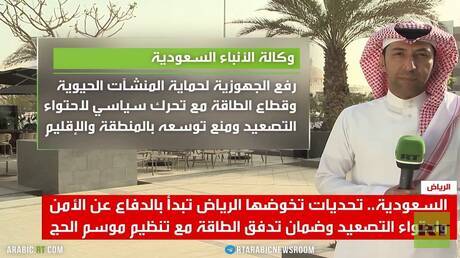
Saudi Arabia is grappling with significant challenges amid the ongoing U.S.-Iran conflict, managing simultaneous battles related to security, politics, and energy flow. These complexities intensify as the Hajj season, one of the world's largest religious gatherings, draws near.
The Kingdom aims to maintain internal stability and enhance national security amidst rising regional tensions. The government is focused on containing political escalation with Iran, which continues to expand its influence in the region, increasing pressure on Riyadh.
Event Details
As the Hajj season approaches, attracting millions of pilgrims from around the world, concerns grow regarding the impact of regional conflicts on this religious event. Saudi authorities are enhancing security measures to ensure the safety of pilgrims while tensions between the U.S. and Iran persist.
The challenges facing Saudi Arabia also include ensuring energy flow, as the Kingdom is one of the largest oil exporters globally. Any escalation in conflict could affect global energy markets, negatively impacting the Saudi economy.
Background & Context
Historically, the region has witnessed numerous conflicts that have had a direct impact on Saudi Arabia. For years, tensions have escalated between the U.S. and Iran, with Washington accusing Tehran of supporting armed groups in the region, exacerbating the conflict.
Saudi Arabia, seeking to enhance its role as a regional power, finds itself in a difficult position, needing to balance its security and economic interests. With the Hajj season approaching, the importance of these challenges increases, requiring special preparations to welcome pilgrims.
Impact & Consequences
Regional tensions affect internal stability in Saudi Arabia, as any escalation could destabilize security. Additionally, the impact of the conflict on energy markets could lead to price volatility, affecting the Saudi economy overall.
Moreover, any security incidents during the Hajj season could impact the Kingdom's reputation as a religious destination, negatively affecting religious tourism, which is a major source of income for the country.
Regional Significance
The repercussions of these challenges extend beyond Saudi borders, affecting regional stability in general. Any escalation in the U.S.-Iran conflict could have negative consequences for neighboring countries, increasing instability in the region.
Under these circumstances, Arab countries must enhance cooperation and coordination to face common challenges, especially amid rising tensions that threaten regional security.
In conclusion, Saudi Arabia faces complex challenges as the Hajj season approaches, necessitating effective strategies to ensure security and stability, which will impact the country's future and its role in the region.