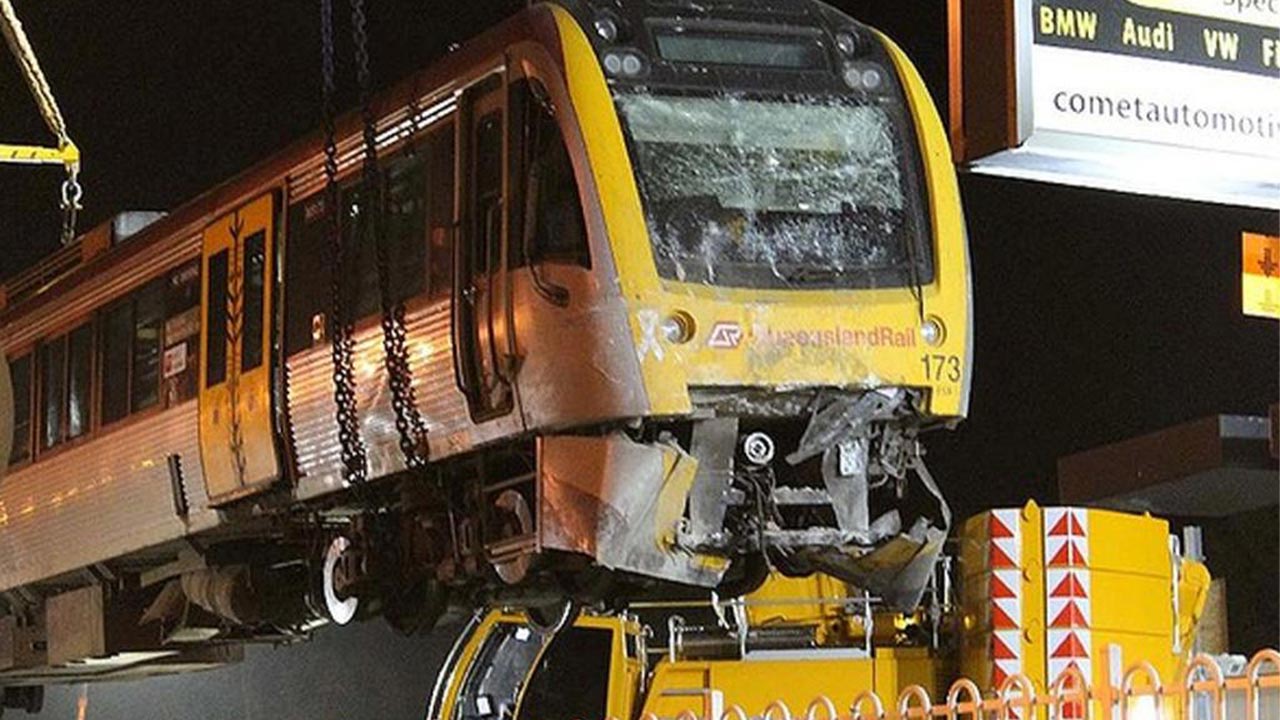
PT Kereta Api Indonesia (Persero) has resumed train operations at Bumi Ayu station, located in the Prabuwis district of Central Java, following a 14-hour disruption due to the derailment of the Bangunkarta train. The line was reopened in the early hours of this morning, with the company's Public Relations Manager, M. As'ad Habibuddin, confirming that the repair process was successfully completed.
The incident, which occurred last Monday, resulted in the cancellation of nine train services, while 35 other routes were adjusted. Emergency teams have been working continuously since the incident to restore normalcy, evacuating the derailed train and repairing the damaged track.
Details of the Resumption
M. As'ad Habibuddin reported that the restoration of train services began shortly after midnight, with the line reopening at 04:08 local time in Indonesia. He noted that technical teams are still working to improve the track to ensure passenger safety. Speed restrictions have also been imposed on trains passing through the area to prevent any further issues.
Despite the resumption of operations, the company is still monitoring the normalization process gradually, focusing on ensuring that all safety aspects are met. He confirmed that the goal is to restore normal train speeds as soon as possible.
Background & Context
The railway network in Indonesia is one of the most important modes of transportation, connecting various cities and provinces. In recent years, the country has witnessed several railway-related incidents, raising concerns about public safety. The recent incident in Bumi Ayu highlights the challenges faced by railway management in maintaining passenger safety.
Railway safety has become a pressing issue, with authorities needing to address the underlying problems that lead to such accidents. The government has been investing in infrastructure improvements and safety protocols to enhance the reliability of train services.
Impact & Consequences
The recent incident has significant implications for transportation in the region. Cancellations and route adjustments may affect travel plans for many passengers, potentially leading to delays in reaching their intended destinations. Such accidents can also impact the local economy, as many rely on rail transport for trade and commuting.
Moreover, the psychological impact on passengers and their trust in the railway system may take time to rebuild. Continuous incidents can deter people from using rail services, pushing them towards alternative modes of transport that may not be as efficient.
Regional Significance
The railway network plays a crucial role in Indonesia's transportation infrastructure, facilitating economic growth and connectivity. The ability to maintain and improve safety standards is vital for the future of rail travel in the country. The recent derailment serves as a reminder of the importance of ongoing investment in safety measures and technology.
As the railway authorities work towards restoring full service, the focus remains on enhancing safety protocols to prevent similar incidents in the future. This incident underscores the need for a comprehensive approach to railway management that prioritizes passenger safety and operational efficiency.