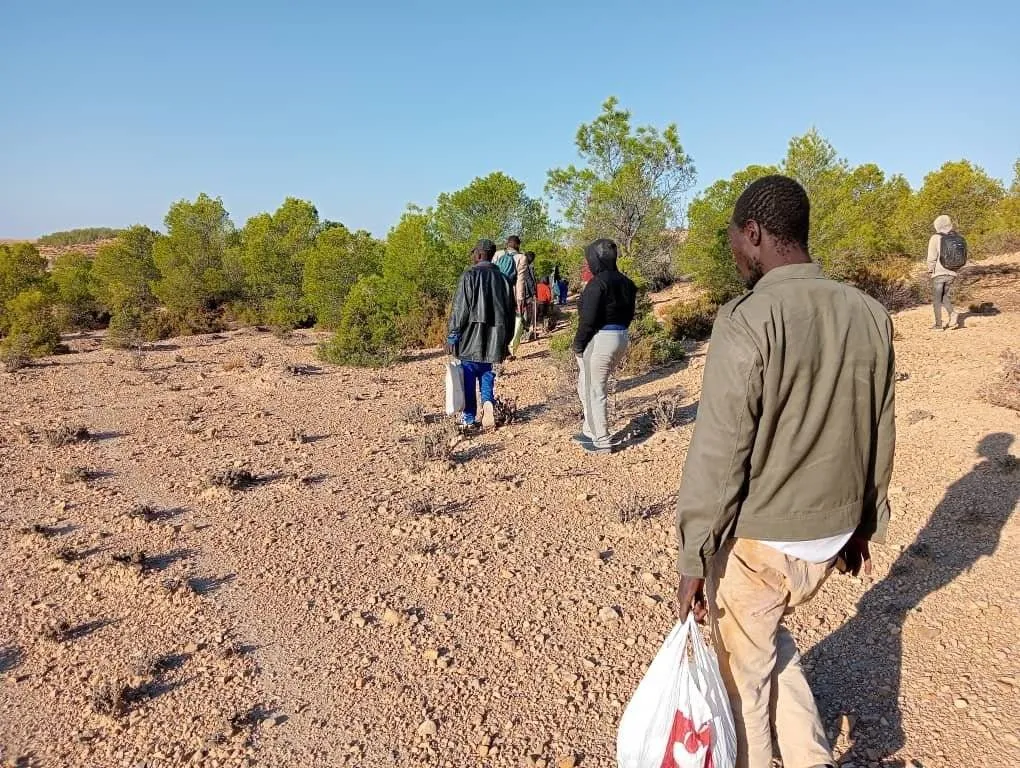
Forty-nine citizens from Niger died of thirst in the desert along the border between Algeria and Niger after their truck broke down. The tragic incident occurred in a remote area, where local authorities reported that the victims were on their way back from Eid al-Adha celebrations.
The Agadez regional authorities indicated that the victims found themselves trapped in a harsh environment, where high temperatures and the absence of water sources made survival extremely difficult. Despite the efforts of the driver and passengers to fix the vehicle, they were unable to do so, leading to their deaths.
Details of the Incident
Authorities clarified that the victims perished more than 80 kilometers west of Asamakka, where their bodies were found in mass graves. Only two individuals survived this ordeal, having walked over 50 kilometers before finding a waterhole and managed to inform the authorities about the incident.
Later, authorities discovered another truck stranded more than 60 kilometers from Asamakka, carrying over 60 people who had been stuck for three days due to a battery failure. Assistance was provided to them, and they resumed their journey.
Background & Context
This desert area is a major transit point for African migrants seeking to reach Europe, often witnessing similar tragedies. In 2025, at least 35 migrants died in the Niger desert, according to a non-governmental organization. The region also saw the death of 92 Nigerian migrants from thirst in October 2013 after being abandoned by smugglers.
The risks in this area are increasing due to harsh climatic conditions, alongside the lack of necessary infrastructure to support migrants. These incidents reflect the significant challenges faced by migrants in their quest for a better life.
Impact & Consequences
This tragedy highlights the dangers that migrants face during their journeys across the desert. It raises concerns about the need to improve travel conditions and provide protection for migrants. The recurring incidents indicate an urgent need for action by governments and humanitarian organizations to ensure the safety of migrants.
These situations require a coordinated response from the concerned countries and the international community, as there must be joint efforts to provide humanitarian assistance and develop effective strategies to address these challenges.
Regional Significance
These incidents are indicative of the increasing humanitarian crises in the region, where the number of migrants fleeing difficult economic and political conditions in their countries is on the rise. These tragedies remind us of the importance of regional and international cooperation in addressing migration and asylum issues.
In conclusion, the international community must act swiftly to provide the necessary support to migrants and ensure their safety, as every life matters and should be respected.