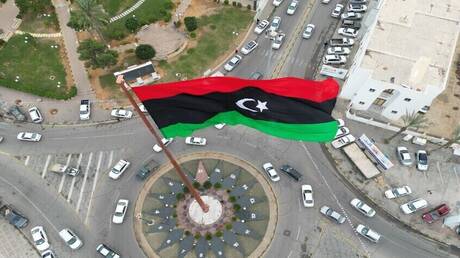
On Monday, the Libyan State Council announced its firm rejection of any political settlement that contradicts the provisions of the approved Libyan Political Agreement, established under the constitutional declaration and its amendments. This stance reflects the Council's commitment to maintaining the legal foundations upon which the agreement was built, amid the political and security challenges facing the country.
This announcement comes at a time when both local and international pressures are mounting to find political solutions to the ongoing Libyan crisis that has persisted for years. The country has witnessed several rounds of political dialogue, yet reaching a lasting agreement remains elusive.
Details of the Announcement
In an official statement, the State Council emphasized that it would not accept any settlement that contradicts the political agreement, noting that this agreement represents the legal framework that any future negotiations must rely upon. The Council also highlighted the importance of adhering to the political legitimacy that reflects the will of the Libyan people.
These statements come at a sensitive time, as various political parties strive to achieve consensus regarding the country's future. Libya has experienced armed conflicts and political tensions in recent years, exacerbating humanitarian and economic conditions.
Background & Context
The State Council was established in Libya under the political agreement reached in 2015, which aimed to end the armed conflict and lay the foundations for peace and stability. However, the challenges facing this agreement remain, as political and military forces vie for influence.
Libya has seen several attempts to reach political settlements, but most have failed due to the lack of consensus among the involved parties. The State Council is considered one of the main bodies in the political process, and its refusal to accept any settlement that contradicts the political agreement underscores the importance of maintaining legitimacy.
Impact & Consequences
These statements could exacerbate the political situation in Libya, as some other political factions may refuse to acknowledge the Council's position. This could heighten tensions among the various factions and negatively impact peace efforts.
Moreover, the Council's rejection of any political settlement may affect relations with the international community, which seeks to support the peace process in Libya. It may require additional international pressure to bring the parties back to the negotiating table.
Regional Significance
Libya is considered one of the countries experiencing political and security conflicts in the Arab region, and the situation there could affect regional stability. Tensions in Libya may lead to repercussions for neighboring countries, especially given the presence of armed groups and cross-border conflicts.
The ongoing Libyan crisis could enhance instability in the region, necessitating a concerted effort from international and Arab stakeholders to find effective solutions. Additionally, the situation in Libya may influence migration routes and regional security.
In conclusion, the position of the Libyan State Council remains a significant marker in the path toward political solutions. This stance reflects the importance of adhering to political agreements as a means to achieve stability and peace in the country.